On this page
Yes, dogs eat sweet potato safely when it’s cooked, peeled, and portioned, since raw pieces risk choking or blockage.
A client of mine brought in a ten-year-old Lab mix, Duchess, who’d started slowing down on stairs. Her owner had read that sweet potato was good for senior dogs and had begun spooning a quarter cup of it over dinner most nights, raw peel included, because it looked like the kind of thing a dog could handle straight from the produce bin. Duchess didn’t choke on it, but she did have two rounds of loose stool before anyone connected the dots. Nothing dramatic happened, but it’s a useful case because it shows where the actual risk sits: not in the ingredient itself, but in how it’s prepared and how much of it shows up on the plate.
Why Sweet Potato Shows Up in So Many Dog Foods
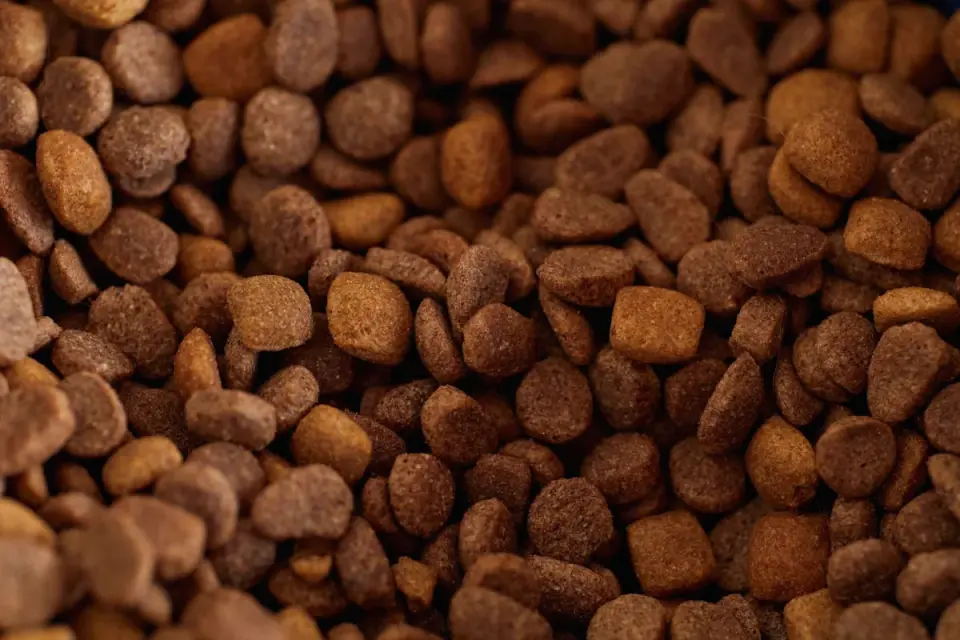
Sweet potato earned its place in pet food formulas as an easily sourced starch and fiber ingredient, and it shows up constantly in grain-free lines. That popularity is also why the ingredient got scrutiny it didn’t necessarily deserve on its own. When the FDA opened its investigation into a possible connection between certain diets and canine dilated cardiomyopathy, potatoes and sweet potatoes turned up in a large share of the reported diets, alongside peas and lentils used as primary ingredients. That doesn’t mean sweet potato itself is the problem; it means diets built heavily around these ingredients, often in place of more traditional protein and grain balance, deserve a closer look at the whole formula rather than any single component.
Puppies and Sweet Potato: Digestibility First
Early in life, a puppy’s gut is still adapting, and cooking matters more than it will later on. Cooked, mashed sweet potato is generally well tolerated in small spoonfuls once a puppy is eating solid food, but it should stay a minor add-on rather than a substitute for any portion of a complete and balanced growth diet. Raw sweet potato is harder to digest and harder to chew at that age, and the resistant starch in it is more likely to ferment in the gut and cause gas or loose stool than to cause outright harm.
Adult Dogs: Portion, Prep, and the 10% Rule
For a healthy adult dog, cooked and peeled sweet potato, unseasoned and cut or mashed to a size that won’t choke, is a reasonable low-stakes treat. The standard guidance from veterinary sources, including the American Kennel Club, is to keep treats like this under roughly 10 percent of a dog’s daily calories, with the rest coming from a complete diet. Butter, brown sugar, and marshmallow-topped preparations are for people, not dogs; salt and added sugar are the parts that turn an otherwise fine vegetable into a problem. Raw sweet potato is the other line not worth crossing, since its firm, fibrous texture is a genuine choking and obstruction risk in a way cooked sweet potato simply isn’t.
Dogs with diabetes or a tendency toward obesity are the group I’d think twice about here. Sweet potato is naturally higher in sugar than many green vegetables, and a dog already managing blood glucose or body weight doesn’t need the extra carbohydrate load, however natural its source.
Senior Dogs and Sweet Potato: Fiber Without Overpromising
This is where Duchess’s case is instructive. Older dogs often deal with slower gut motility, and a modest amount of cooked sweet potato’s soluble and insoluble fiber can help firm up stool or ease mild constipation in some dogs, similar in principle to how pumpkin is used for the same purpose. It is not a joint supplement, and it is not going to move the needle on mobility or longevity on its own; it’s a fiber-and-micronutrient add-on, best thought of as supporting digestive comfort rather than treating any diagnosed condition. Sweet potato’s beta-carotene converts to vitamin A only as the body needs it, and that conversion is self-limiting, which is one reason a study evaluating vitamin A safety in growing dogs, published through the National Institutes of Health, found the real toxicity concern sits with preformed vitamin A sources like liver or cod liver oil, not plant beta-carotene.
How to Prepare It Safely, at Any Age
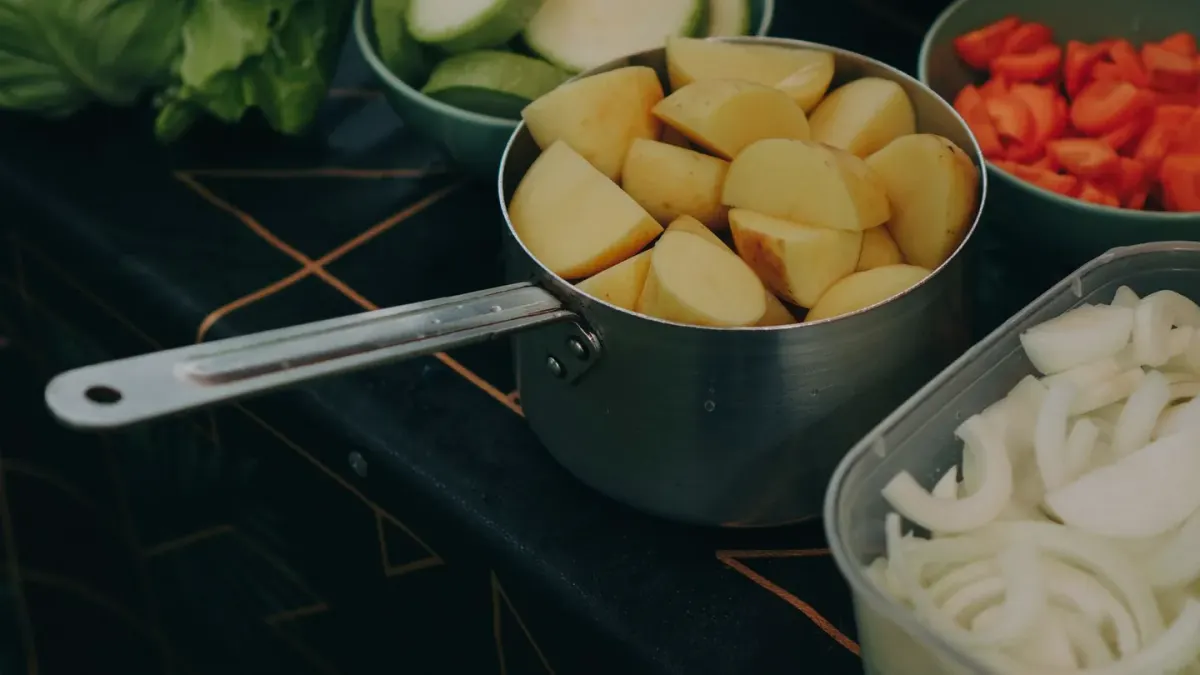
Steam, boil, or bake sweet potato until it’s soft enough to mash with a fork. Peel it first; the skin is not toxic but it’s harder to digest and easier to choke on. Skip the microwave shortcuts that leave a hard core. Let it cool fully before serving, and portion it out in teaspoon- or tablespoon-sized amounts scaled to the dog’s size rather than a human-sized side dish. Plain canned sweet potato puree, checked for no added sugar or spice, is a fine substitute when fresh isn’t on hand.
Duchess did fine once her owner switched to peeled, cooked, measured portions a few times a week instead of nightly raw spoonfuls. Nothing about her diet needed to change dramatically; the ingredient wasn’t the issue, the handling was.
If your dog has diabetes, a history of pancreatitis, or a diet already high in fiber, check with your veterinarian before adding sweet potato as a regular extra, and always introduce it in a small amount first to see how it sits.
Frequently asked questions
Can puppies eat sweet potato?
Small amounts of well-cooked, mashed sweet potato are generally fine for puppies once they're eating solid food, but it should never replace a portion of a complete and balanced puppy diet.
Is sweet potato better than white potato for dogs?
Both can be fed cooked and plain in small amounts; sweet potato brings more beta-carotene and fiber, while white potato has a starchier texture, but neither should be a large share of a dog's daily calories.
Why do so many dog foods already contain sweet potato?
Manufacturers use it as a starch and fiber source, often in grain-free formulas, which is part of why the FDA looked closely at potatoes and legumes during its dilated cardiomyopathy investigation.
Sources
- FDA Investigation into Potential Link between Certain Diets and Canine Dilated Cardiomyopathy — FDA
- Can Dogs Eat Sweet Potatoes? — American Kennel Club
- Safety evaluation of vitamin A in growing dogs — National Institutes of Health