On this page
A dog that boards, flies, or road-trips every few weeks lives with the same gut each time, just under different stress. My call is plain: keep the daily probiotic that already suits your dog, then tighten food timing, hydration, and stool watching around travel.
A 4-year-old, 52-pound mixed-breed who splits time between home and a sitter started skipping breakfast on travel mornings, then passed soft stool by night two. The owner weighed three options: switch strains, double the chew, or hold steady and fix meals. Over 14 days spanning two 3-night stays, stool firmed from a 5 to a 3 on a 7-point chart once meals stayed on a 7 a.m. and 5 p.m. schedule with the same food. That pattern is why I lead with food-first reasoning before I change microbes.
Travel changes routine, not gut biology
Motion, missed meals, new water, late-night arrivals, and kennel noise all shift intake and output. A probiotic may help support normal digestive function through those shifts, and a balanced gut microbiome supports overall immune function in structure-and-function terms. Food still does the heavy lifting: same kibble or fresh base, same portions, same feeding clock.
Research reminds us not to overread labels. In one canine trial, “Diversity metrics did not distinguish non-responders from responders,” reported in Frontiers in Veterinary Science. Translation for travelers: a higher count or broader diversity panel does not promise a calmer road gut.
Keep the formula your dog tolerates at home for at least two weeks before a trip.
The road-only strain is mostly myth
Marketing suggests travel needs a special travel strain. Physiology suggests otherwise. Dogs respond more to consistency, fiber balance, rest, and clean water than to swapping Lactobacillus for Bifidobacterium at the rest stop.
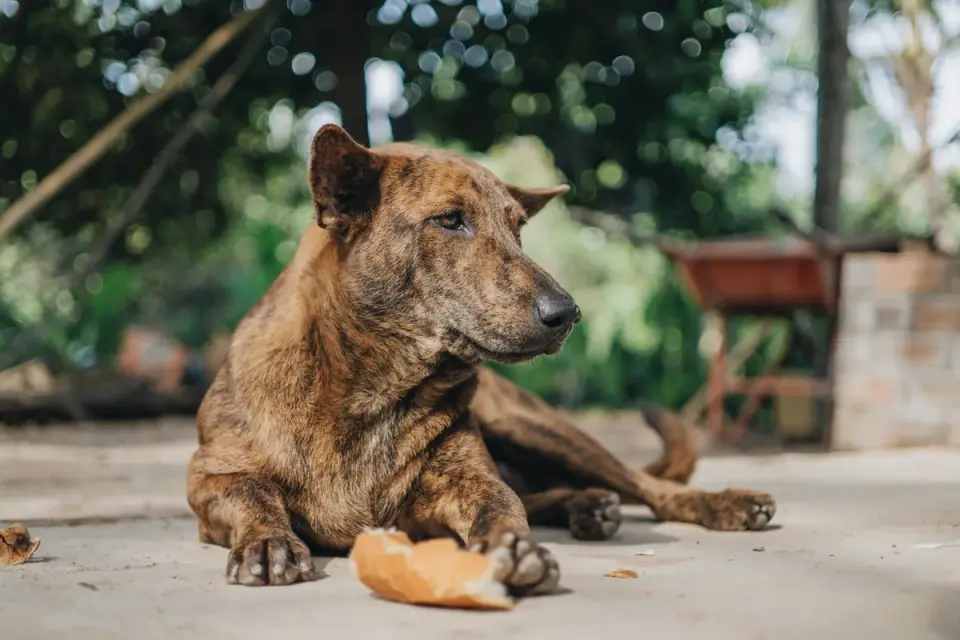
A 2-year-old small terrier type who flew monthly for work trips tried three different chews in six weeks after loose stool on landing. Each switch brought two days of picky eating, then one vomiting episode after a rushed airport meal. The owner counted 4 walks with urgency in 24 hours after the third switch, then stopped switching entirely. Holding one simple formula for 21 days steadied appetite, though travel-day stool stayed soft for one bowel movement. The lesson was not that probiotics failed. Constant change kept resetting the routine the gut needed.
If stools stay normal at home, changing products for travel adds risk without clear gain. General background on how probiotic organisms are described for humans and animals appears from the National Institutes of Health Office of Dietary Supplements, which helps frame why strain names matter less than steady feeding and observation.
Pack the daily amount plus two extra days.
When the usual stay-the-course plan bends
Some travelers need adjustment, not replacement. Puppies under six months, seniors with kidney or liver disease, dogs on antibiotics or steroids, and dogs with repeated bloody diarrhea, weight loss, or dehydration after travel should see a veterinarian before any supplement change. So should a dog headed abroad, where entry rules and water quality differ.
An 8-mile trail weekend with a 7-year-old sporting dog showed that bend. Home stools were firm, but camp brought river drinks, shared treats, and two nights of restless panting in a tent. The owner kept the base probiotic, added plain cooked pumpkin in teaspoon amounts for fiber continuity, carried 2 liters of home water per day, and logged intake. One soft evening stool resolved by morning without a product swap. Travel did not demand a different microbe. It demanded tighter inputs.
For related context on fiber limits during routine changes, see Can You Give a Dog Too Much Fiber? Here’s the Ceiling Owners Miss and for picking a steady daily option, see Best Probiotic for Dogs: What the Evidence Actually Supports.
A simple before, during, and after sequence
Use short imperative steps. Keep portions level across time zones.
Start five days out. Feed the same diet on schedule. Confirm chew count for trip length plus buffer. Freeze a small bag of the current food if a sitter will portion.
During transit, offer water hourly, feed a light half-meal before departure, then resume normal timing at arrival. Skip novel treats, marrow bones, and hotel lobby biscuits. Note stool score, appetite, and vomits once daily.
After return, hold steady for three days. Do not judge the trip formula by one soft stool.
What would change my mind? Persistent watery diarrhea beyond 48 hours, blood, lethargy, or refusal of two consecutive meals.
Frequently asked questions
Should I double the probiotic dose on travel days?
No. Keep the label serving and protect meal timing, water, and rest. A double dose often loosens stool and confuses the readout.
What if my dog gets diarrhea every time we travel?
Track pattern, diet, and stress triggers across two trips, then ask your veterinarian about parasites, diet sensitivity, or motion stress. Recurrent bloody stool, weight loss, or dehydration needs prompt care, not a new chew.
Sources
- Diet-responsive enteropathy trial with diversity outcomes — Frontiers in Veterinary Science
- Probiotics Fact Sheet for Health Professionals — National Institutes of Health Office of Dietary Supplements