On this page
Most dogs who eat their own stool aren’t broken or “bad”—they’re running one of a handful of predictable scripts, and the fix depends entirely on which one you’re looking at.
That’s the direct answer, so let’s start there before the nuance. In an otherwise healthy adult dog with no other symptoms, self-coprophagia is usually behavioral: attention-seeking, anxiety, boredom, or a leftover puppy habit that never got interrupted. In a dog with loose stool, weight loss, a ravenous appetite, or a recent diet change, it’s often medical, and no amount of leash work fixes malabsorption. I don’t treat this as one problem. I treat it as a short list of different problems that happen to look identical from across the yard.
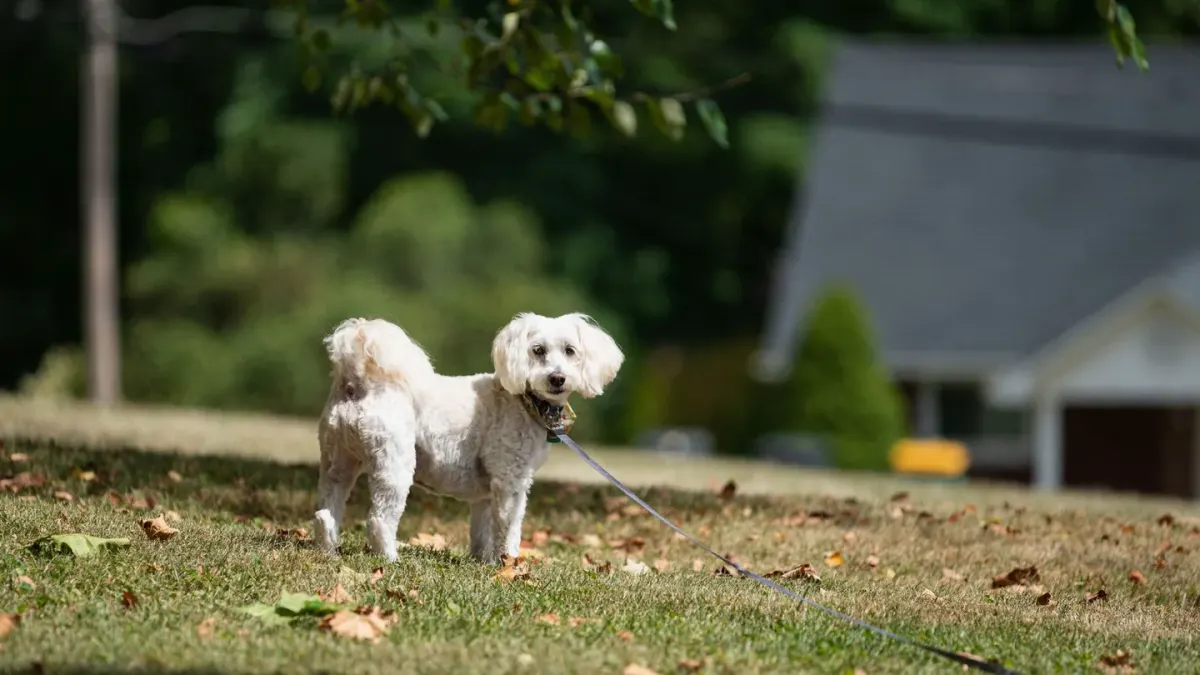
In my practice, I think of a nine-year-old spayed Beagle named Daisy, about 24 pounds, whose owner brought her in on a gray February afternoon because Daisy had started eating her own stool in the backyard—something she’d never done in nine years. What made this case instructive wasn’t the behavior itself; it was the timeline. The owner had switched Daisy’s food six weeks earlier to manage weight, and along with the new coprophagia she’d noticed looser stool and a dog who acted hungrier than usual within an hour of eating. That combination—new onset, in an older dog, alongside GI and appetite changes—is exactly the pattern that sends me toward bloodwork and a fecal exam before I say one word about training. It turned out to be pancreatic insufficiency, not a behavior problem at all, and no amount of “leave it” cues would have touched it.
The Myth: It’s One Bad Habit With One Fix
The advice that circulates most is some version of “add pineapple or meat tenderizer to the food, it’ll make the stool taste bad, problem solved.” I understand the appeal—it’s cheap, it’s simple, and it treats coprophagia like a single switch you can flip. It isn’t. VCA Animal Hospitals notes that any medical problem that reduces nutrient absorption, causes GI upset, or makes stool more appealing can drive the behavior—which means a dietary additive aimed at taste is only ever addressing one narrow slice of a much wider set of causes. And the controlled research backs that up directly: in the survey work published in Veterinary Medicine and Science, no single dietary additive significantly reduced coprophagia across the dogs studied. If a client hands me a half-used bag of a “stool deterrent” supplement, I don’t shame them for trying it. I just tell them why it probably didn’t work, and why I’m not going to recommend they try a different brand of the same idea.
The Reality: At Least Four Different Dogs Do This
Strip away the myth and you’re left with a shorter, more useful list. First, there’s the medical group—parasites, exocrine pancreatic insufficiency, malabsorptive disease, or a drug like a steroid changing appetite and stool character. Second, there’s the maternal-instinct group: mother dogs cleaning up after puppies, and puppies themselves who explore the world mouth-first and haven’t learned the behavior is unwanted. Third, there’s the multi-dog-household pattern, where a dog eats a housemate’s stool rather than its own—different mechanism, same disgusted owner. Fourth, there’s genuine anxiety or under-stimulation, where the behavior shows up alongside pacing, destructive chewing, or hypervigilance around the owner leaving.
The survey data on this is more interesting than most owners expect. In the Veterinary Medicine and Science research, the majority of documented stool-eating was actually dogs consuming a housemate’s feces rather than their own, and it was more common in multi-dog homes than single-dog homes. That matters for the question you’re actually asking, because it tells you self-coprophagia specifically—one dog, no housemates to blame—deserves a slightly higher index of suspicion for either a medical driver or a genuinely individual behavioral one, since it isn’t explained away by “dogs do this to each other sometimes.”
What I Rule Out Before I Talk Training
I don’t start with training. I start with a stool sample and a history. Merck Veterinary Manual lists coprophagia and pica as recognized clinical signs of exocrine pancreatic insufficiency, alongside poor body condition and a ravenous appetite despite weight loss—signs that show up long before an owner would ever think to connect “eats his own poop” to “his pancreas isn’t making enough digestive enzyme.” Intestinal parasites are the other common culprit worth ruling out with a fecal test, since a dog robbed of nutrients by roundworms or hookworms may be seeking calories the only way it knows how. If those come back clean, and the dog is otherwise healthy on exam and bloodwork, that’s when I let myself call it behavioral and move to management.
Where Calming Support Might Fit—and Where It Doesn’t
Some of the dogs I see with this habit are genuinely anxious animals, and coprophagia is one symptom in a wider pattern that includes pacing, destructive chewing when left alone, or hypervigilance during routine changes. For that subset, calming ingredients can be a reasonable piece of a larger plan—never the plan itself. Chamomile and valerian root have a long history in traditional herbal care for supporting relaxation, though for most species, including dogs, the evidence base is still mainly preclinical or drawn from traditional use rather than controlled trials—a 2026 review in Biomedicines makes that limitation explicit. Ashwagandha has firmer human data behind it: a systematic review in Cureus covering multiple randomized controlled trials found a moderate positive effect on stress reduction and cognitive performance, though that evidence comes from human studies, not canine ones. L-theanine has similar human-trial support—a review in Molecular Psychiatry found a meaningful calming effect in one study on anxiety at 400 mg per day over eight weeks—but again, that’s a human dose in a human study, not something I’d extrapolate onto a 30-pound dog without veterinary guidance. I tell owners this straight: if your dog’s coprophagia is one thread in a genuinely anxious temperament, a calming supplement discussed with your vet is a defensible piece of the plan. If your dog is calm, confident, and just eats stool because it’s there, a calming ingredient is solving a problem your dog doesn’t have.
One of the households I worked with had two dogs—a four-year-old male mixed breed and his younger housemate, a rescue pup around eight months old—and it was the younger dog who’d started eating stool almost as soon as he arrived, three months prior. The owners described a dog who paced at the door, shadowed them room to room, and startled at the vacuum in ways their older dog never had. Nothing about his bloodwork or stool sample suggested a medical cause. What changed the picture wasn’t a supplement or a deterrent additive—it was faster, more consistent yard cleanup paired with structured leash walks that gave him something to do with his nose besides scavenge, plus a slower, calmer departure routine that took the edge off his door-watching. Over about five weeks, the behavior dropped from a daily occurrence to rare enough that the owners stopped tracking it.
The Sequence I Actually Recommend
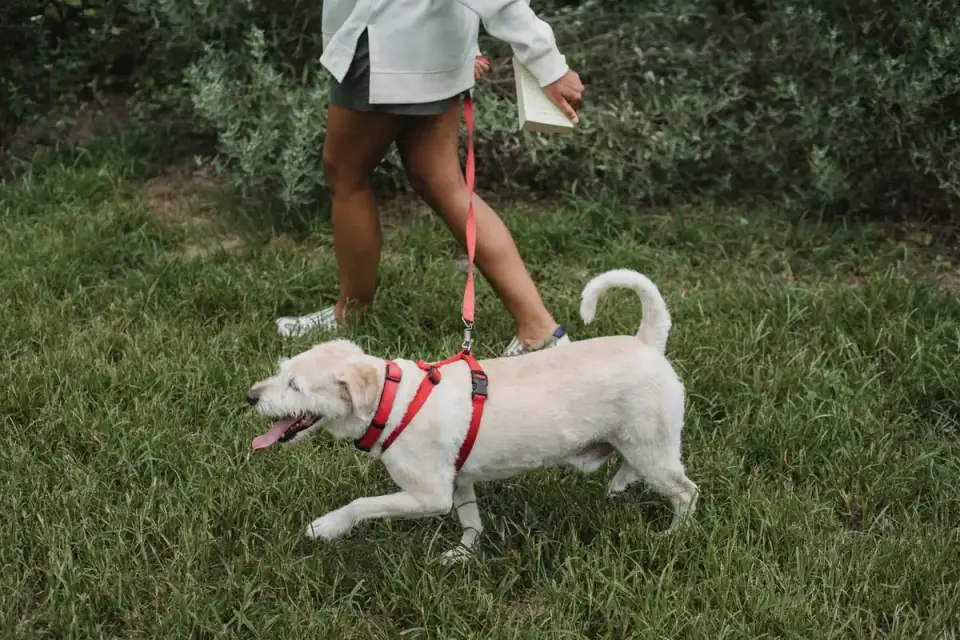
Start with the vet visit, not the internet forum—a fecal exam and, if the history warrants it, bloodwork to screen for pancreatic or absorption problems. If that comes back clean, move to immediate management: pick up stool within seconds of your dog going, before the opportunity even exists, since you can’t train around a temptation your dog never encounters. Layer in a consistent “leave it” or “drop it” cue practiced on-leash during yard time, not improvised in the moment. Increase structured exercise and mental engagement if boredom or anxiety are part of the picture—a bored, understimulated dog scavenges more, full stop. Only after those pieces are in place would I discuss a calming ingredient with an owner, and only for a dog whose anxiety pattern actually supports it. Skip straight to a supplement without the exam and the management basics, and you’re treating a symptom while ignoring the parts of the plan that do most of the real work.
If you’re also untangling whether a behavior is boredom-driven or anxiety-driven more broadly, our guide on boredom versus separation anxiety walks through the same kind of triage. And if the coprophagia shows up suddenly in an older dog alongside restlessness at night, it’s worth reading about why senior dogs pace at night, since cognitive changes in aging dogs can rewire habits that had been stable for years.
The Bottom Line
Rule out medical causes first, especially in a dog whose habit is new, or who’s older, losing weight, or eating like he’s starving. If the workup is clean, the fix is unglamorous: faster cleanup, consistent leash cues, and more structured activity—not a bag of pineapple chunks or a deterrent additive with no controlled evidence behind it. Calming ingredients have a real, if still preliminary, place for the genuinely anxious dog, but they support a plan; they don’t replace one.
Frequently asked questions
Is it normal for a mother dog to eat her puppies' stool?
Yes. Cleaning up after puppies is instinctual maternal behavior and isn't something to worry about on its own; it typically fades as puppies wean and start moving away from the den area.
Should I worry if my puppy eats his own poop?
It's common in young puppies exploring the world mouth-first, and many grow out of it. If it continues past adolescence, is sudden in an older puppy, or comes with loose stool or weight loss, it's worth a veterinary visit rather than waiting it out.
Do "stool deterrent" additives actually work?
Controlled research hasn't found a single dietary additive that reliably reduces coprophagia, so treat these as a low-odds add-on rather than a primary fix, and focus first on cleanup, training, and ruling out medical causes.
When does eating stool mean I should call the vet instead of just training around it?
Any time it's new in an adult or senior dog, or paired with weight loss, loose stool, a suddenly ravenous appetite, or general lethargy. Those combinations point toward a medical cause that training alone won't resolve.
Sources
- Dog Behavior Problems - Coprophagia — VCA Animal Hospitals
- Exocrine Pancreatic Insufficiency in Dogs and Cats — Merck Veterinary Manual
- The paradox of canine conspecific coprophagy — Veterinary Medicine and Science
- Chamomile evidence review (Anxiety & Stress) — Biomedicines
- KSM-66 Ashwagandha systematic review (Anxiety & Stress) — Cureus
- L-theanine review (Anxiety & Stress) — Molecular Psychiatry