
On this page
For aging dogs, neither green tea extract nor resveratrol earns a routine recommendation from me, because both offer antioxidant support for normal cellular function with thin direct canine data. I read the data closely before crowning anything, and here the human and laboratory work is interesting while the dog work remains early and dose-sensitive. If an owner already feeds a balanced senior diet and wants one polyphenol to discuss with their veterinarian, I lean toward low-dose resveratrol over green tea extract for tolerability reasons, not because longevity is proven.
A 12-year-old mixed-breed dog at 28 pounds came up in a senior wellness visit after slowing on stairs over six weeks. The owner, focused on healthy aging, asked whether to add green tea extract or resveratrol to support mobility and alertness. The dog was eating consistently, sleeping through the night, and still eager on a morning loop around the block dated March 4 to April 18, but lagged on the second flight of stairs. We talked through diet, body condition, joint examination, and bloodwork first, because no antioxidant replaces that foundation.
The surprising limitation is caffeine and concentrated catechins. Green tea extract is not green tea as a beverage. Concentrated extracts deliver epigallocatechin gallate (EGCG) plus variable caffeine, and dogs clear methylxanthines slowly. The National Center for Complementary and Integrative Health notes that green tea contains caffeine and catechins, and that concentrated extracts raise more safety questions than brewed tea in people, particularly for liver function at high doses. That concern translates directly to nutritional management in older dogs with reduced hepatic reserve or concurrent medications.
What green tea catechins actually do in the body
Mechanism first. Catechins, principally EGCG, are redox-active polyphenols that scavenge free radicals in vitro and modulate signaling related to normal inflammatory responses and normal vascular function. The NIH Office of Dietary Supplements summarizes green tea catechin pharmacology and notes substantial variability in EGCG content across products, plus caffeine as a confounder. For dogs, that variability matters more than the antioxidant theory.
In practice, I see three problems. Standardization is poor across pet products. Decaffeination is often incomplete. Gastrointestinal tolerance is narrow, with vomiting, inappetence, or loose stool reported with concentrated polyphenols, especially on an empty stomach. For an aging dog with sensitive gastroenterology, that tradeoff often outweighs any theoretical support for normal cellular defenses.
A stocky 9-year-old Bulldog-type dog showed the tradeoff clearly. The owner tried a green tea–containing chew for three nights to support weight management and alertness, then stopped after two early-morning vomiting episodes and one refused breakfast. No new food, no new medication, same two short walks per day. The pattern resolved within 48 hours off the chew. That sequence does not prove causation, but it reflects a familiar intolerance pattern with concentrated extracts, and it is why I reject high-EGCG, incompletely characterized extracts for senior dogs.
What resveratrol actually does in the body
Resveratrol is a stilbene found in grapes, berries, and Japanese knotweed, studied for effects on sirtuins, AMPK signaling, and support for normal endothelial and mitochondrial function in laboratory models. The Linus Pauling Institute Micronutrient Information Center reviews its low oral bioavailability, rapid conjugation, and the gap between cell-culture concentrations and achievable blood levels. That gap is central to my call.
Bioavailability is poor. Metabolites may retain some activity, but we lack canine dose-response data linking a specific milligram-per-kilogram intake to a functional outcome such as gait, cognition scores, or renal markers. Gastrointestinal effects and potential drug interactions, particularly around hepatic metabolism and platelet function, deserve attention in older dogs on nonsteroidal anti-inflammatory drugs, anticoagulant support, or highly protein-bound medications. I keep claims to supporting normal antioxidant defenses and normal vascular function, not disease treatment or lifespan extension.
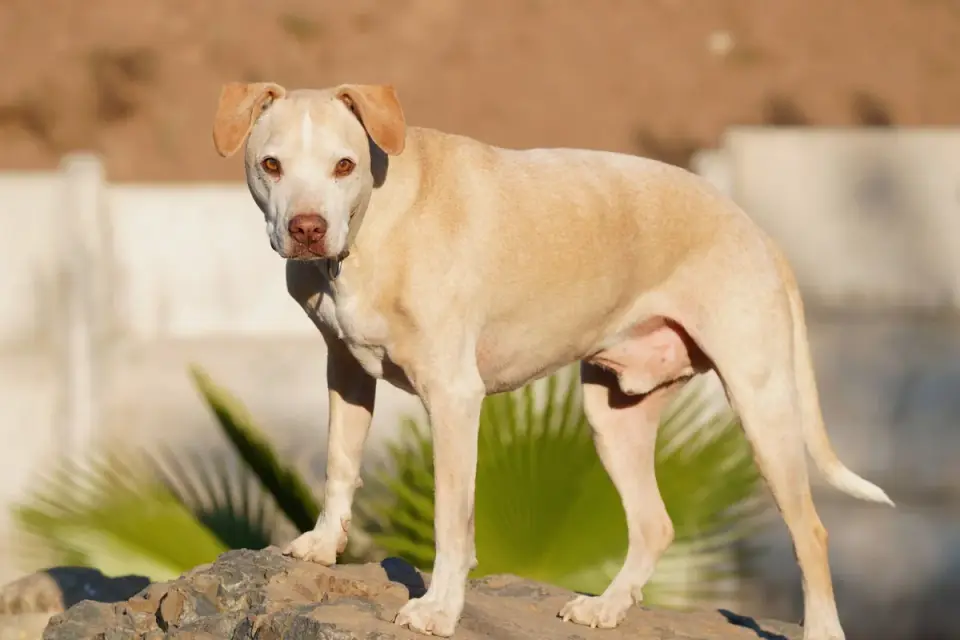
Myth versus reality for aging dogs
Myth: antioxidants stack linearly, so combining both must help more. Reality: concentrated polyphenols compete for absorption, irritate the gut, and complicate medication review. More is not better in geriatric nutritional management.
Myth: natural means safe for long daily use. Reality: chronic low-grade vomiting or reduced food intake in a senior dog costs muscle condition faster than any polyphenol can offset. Appetite and lean mass are the outcomes I protect first.
Owners comparing antioxidant options often benefit from seeing how I weigh a related pair in CoQ10 Versus Resveratrol for Aging Dog Antioxidant Support and how cardiac support differs in CoQ10 vs Fish Oil for Aging Dog Heart Support: My Verdict, With the Differential. Stiffness also needs sorting before any supplement, which I outline in Arthritis vs. Normal Aging Stiffness in Dogs: How to Tell the Difference.
A practical sequence I use before either ingredient
First, confirm the target. Is the concern endurance, post-rest stiffness, nighttime restlessness, appetite, or weight change. Vague healthy-aging goals produce vague supplement plans.
Second, complete senior basics: body condition score, muscle condition score, orthopedic and neurologic examination, complete blood count, chemistry with renal and liver values, urinalysis, and blood pressure when indicated. Adjust diet, protein, omega-3s, joint support, and exercise before adding polyphenols.
Third, if a polyphenol is still under consideration, I discuss resveratrol before green tea extract for most seniors because it avoids caffeine exposure. I favor products with transparent milligrams per chew, lot traceability, and no proprietary-blend hiding. I start low, give with food, and stop with any vomiting, diarrhea, or appetite drop.
An 8-year-old 62-pound retriever-type dog with early renal changes illustrates where usual advice bends. The owner wanted green tea extract for metabolism after reading human weight-management claims. With a creatinine trending upward and a history of empty-stomach nausea, we declined concentrated catechins plus caffeine. We instead kept protein appropriate for renal function, walked 0.8 miles on flat ground rather than hills, and tabled resveratrol until medications and blood pressure were stable. Different physiology required different restraint.
What would change my mind. A randomized, placebo-controlled canine trial showing a functional benefit from a defined, decaffeinated catechin dose or a defined trans-resveratrol dose, with safety chemistry and adverse-event reporting. Until then, current evidence does not support ranking either as a longevity essential.
My bottom line stays narrow. Support normal function with diet, weight control, exercise, and veterinary monitoring first. Treat green tea extract as the higher-risk option because of caffeine and EGCG concentration. Treat resveratrol as the more discussable but still unproven option, used only with veterinary oversight.
Frequently asked questions
Is green tea extract safe for senior dogs?
Concentrated extracts raise more concern than brewed tea because of EGCG dose variability and caffeine. Older dogs, dogs with liver disease, and dogs on multiple medications need veterinary review first, and any vomiting or appetite loss means stopping.
Does resveratrol extend lifespan in dogs?
No supplement has been shown to extend lifespan in dogs. Resveratrol is studied for support of normal antioxidant defenses and vascular function, but direct canine outcome data remain limited.
Can I give both together for aging support?
I generally do not recommend stacking concentrated polyphenols in seniors without a clear reason. Combined use increases the chance of gastrointestinal upset and complicates medication review.
Sources
- Green Tea — National Center for Complementary and Integrative Health
- Resveratrol — Linus Pauling Institute Micronutrient Information Center