
On this page
Growling during petting catches a lot of owners off guard, especially with a dog that has never done it before. The instinct is to worry that something has changed for the worse in the relationship. Usually it has not. The dog is telling you something specific, and the job is to figure out what.
Pain is the most overlooked cause
A dog that suddenly growls when petted in a spot it used to tolerate is often hurting there. Arthritis, a healing injury, an ear infection, or a sore back can all turn a normal touch into something that stings. This is especially worth ruling out in older dogs or dogs whose growling is new rather than a lifelong pattern.
If the growl clusters around one area, a hip, the tail base, an ear, that pattern itself is a clue worth bringing to a veterinarian rather than a trainer first.
Fear and past experience
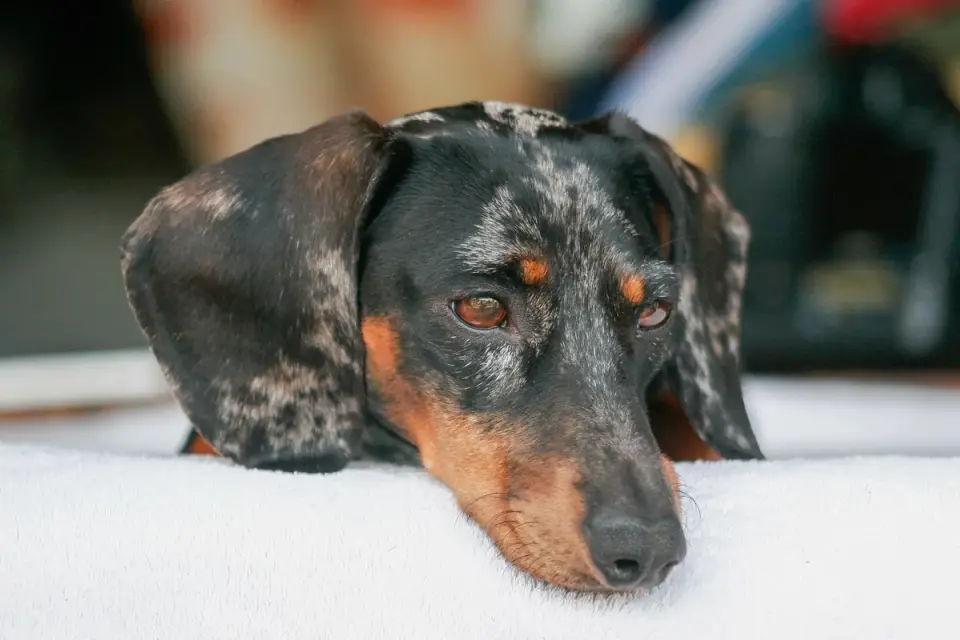
Some dogs growl because petting predicts something unpleasant based on prior experience, whether that is a rescue background, a rough handling incident, or simply limited early socialization to touch. Watch the whole body, not just the mouth. Stiff posture, a tucked tail, ears pinned back, or “whale eye,” where the whites of the eyes show, usually travels alongside fear-based growling. A relaxed, loose body with a growl is a different animal entirely, and often points toward overstimulation instead.
Overstimulation and too much touch
Dogs, like people, have a limit. A dog that starts out enjoying petting can growl once the touch continues past what feels good, particularly on sensitive areas like paws, the tail, or the lower back. This is not defiance. It is closer to the canine version of “okay, that is enough now.” Short, calmer petting sessions with a clear stopping point, rather than one long marathon of attention, tend to prevent this pattern from building.
Resource guarding around contact
A smaller subset of growling happens because the dog is guarding something, its space on the couch, a bed, or even proximity to a person, rather than reacting to the touch itself. This shows up most often when petting happens while the dog is resting somewhere it values, or when another pet approaches during the interaction. Identifying whether the growl only happens in certain locations helps separate this from pain or general fear.
Reading the growl before reacting to it
A growl that ends when the touch stops is doing exactly what it is supposed to do. Suppressing it with a correction removes the warning system without removing the discomfort behind it, which is why most professional guidance leans toward addressing the trigger instead of the vocalization. A dog with a healthy line of communication to its owner is, in a real sense, a safer dog to live with, not a more difficult one.
Where calming support fits, and where it does not
For dogs whose growling seems tied to general stress or a nervous baseline rather than a single identifiable trigger, some owners look at calming ingredients as one part of a broader plan. Biomedicines notes that for chamomile, “for the remaining species, evidence is derived mainly from preclinical studies or traditional use,” which is a fair summary of where the research currently stands for dogs specifically. A Cureus systematic review found that ashwagandha “has a moderate positive impact on stress reduction and cognitive performance” across the human RCTs it analyzed. For L-theanine, a review in Molecular Psychiatry reported a meaningful effect in one anxiety study, at a dose of 400 mg per day for eight weeks in human subjects.
None of this evidence establishes that a supplement resolves growling. It supports the idea that certain ingredients may help a dog maintain a calmer baseline as one piece of a management plan that also includes identifying the actual trigger, whether that is pain, fear, or overstimulation.
When to bring in a professional
A sudden onset of growling, growling paired with limping or reluctance to move, or growling that has progressed toward snapping all warrant a veterinary exam before anything else. Once pain is ruled out, a certified trainer or veterinary behaviorist can help build a plan around the specific trigger, whether that means shorter petting sessions, desensitization work, or management of resource guarding.
A growl is a warning, not a verdict on the dog. Read it, do not punish it, and it usually tells you exactly where to look next.
Frequently asked questions
Is it bad that my dog growls when I pet him?
No. A growl is information. It tells you the dog is uncomfortable with something happening right now, whether that is pain, fear, or too much touch. Treating the growl as the problem, rather than listening to it, is what tends to make things worse.
Should I punish my dog for growling?
Most trainers and behaviorists advise against it. Punishing a growl can suppress the warning without addressing why the dog is uncomfortable, which risks a dog that goes straight to snapping without warning next time.
Can anxiety supplements stop growling?
They may support a generally calmer baseline in some dogs, but they are not designed to fix pain, fear of a specific trigger, or resource guarding. A supplement is a supporting tool at best, not a substitute for finding the cause.
When should I call a vet about growling?
Any sudden change in how a dog responds to petting, especially in a dog that used to tolerate it, is worth a veterinary visit to rule out pain first, before assuming it is purely behavioral.