On this page
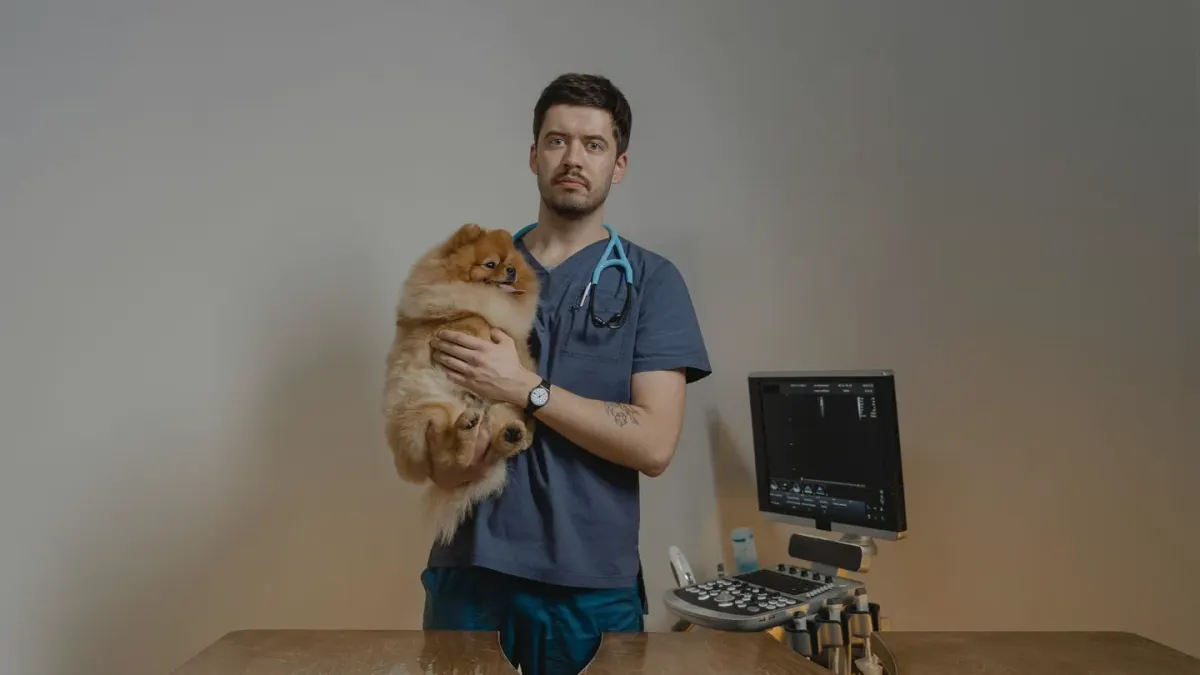
Most dogs aren’t afraid of the vet. They’re afraid of the specific, unrehearsed sequence of being lifted onto a table, gripped by a stranger, and prodded somewhere new every few minutes. That’s a training gap, not a personality flaw, and it responds to practice the same way any other behavior does.
Run through this checklist in the weeks before your next appointment, then read the sections below for the how and why behind each point.
- Practice exam-style handling at home several times a week, not just the night before.
- Make the carrier or car a neutral or rewarding place year-round.
- Consider an evidence-supported calming aid if your dog’s anxiety is more than mild.
- Keep the feeding schedule normal unless your vet says otherwise.
- Ask the clinic about quiet appointment slots and low-stress waiting options.
- Brief the vet team on what specifically scares your dog before they start the exam.
Start Handling Practice Weeks Before the Appointment
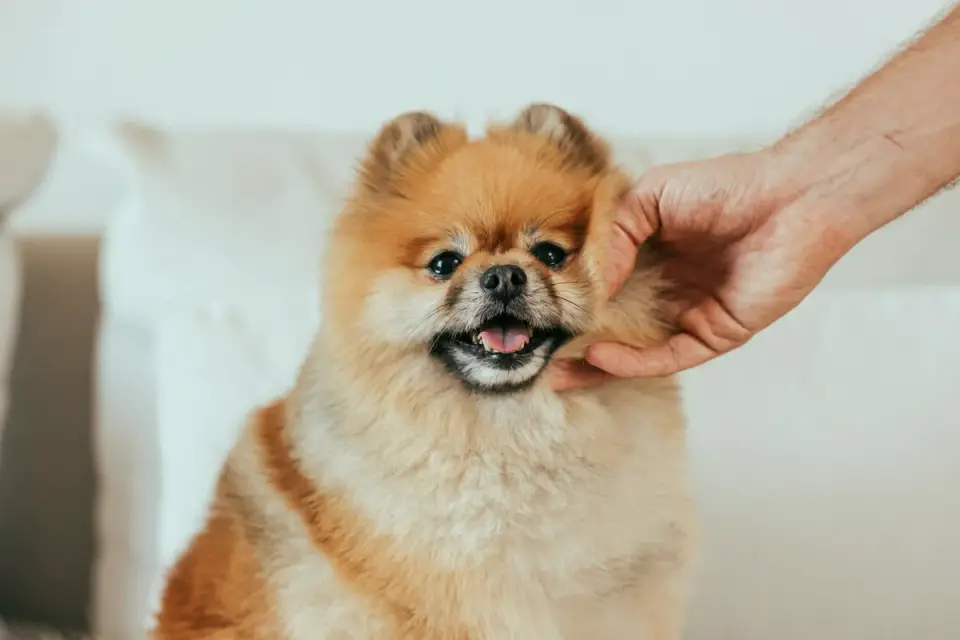
A dog who has never had a stranger hold his muzzle, lift his lip, or squeeze his paw has no template for what’s happening when a vet does it for the first time. Spend two or three minutes a day touching your dog’s ears, mouth, feet, and tail, pairing each touch with a treat. Have a friend or family member do the same thing occasionally so the behavior generalizes beyond you. This isn’t a one-week fix. Dogs that get this kind of handling regularly, as part of normal life, tend to tolerate exam-table restraint with far less resistance than dogs meeting it cold.
Use Positive Associations With the Carrier or Car
If the carrier only comes out for vet trips, your dog has already made the connection before you’ve left the driveway. Leave it open in a living space with treats and a familiar blanket inside so it becomes furniture instead of a warning sign. For car rides, take a few short trips that don’t end at the clinic — the coffee-shop drive-through, a walk at a new park — so the car itself stops predicting something stressful. Small effort, but it changes the entire emotional framing of the day of the visit.
Choose Calming Aids With Real Evidence Behind Them
Some owners reach for a calming supplement ahead of a stressful appointment, and a few ingredients have genuine research behind them, even if the research isn’t all in dogs. A review in Biomedicines on chamomile and stress notes that “for the remaining species, evidence is derived mainly from preclinical studies or traditional use,” which is an honest way to frame where the science currently stands. Ashwagandha has more direct human data: a systematic review in Cureus concluded that KSM-66 ashwagandha “has a moderate positive impact on stress reduction and cognitive performance” across multiple randomized trials. L-theanine has support too, though it’s narrower than marketing often implies — a review in Molecular Psychiatry found benefit largely limited to “one study on psychotic anxiety (SMD = 0.54; 400 mg/day for 8 weeks),” a human dose and population, not a canine one. None of this amounts to a guarantee your dog will walk into the clinic relaxed. It’s a reasonable starting point for a conversation with your vet about whether a calming aid fits your dog’s specific anxiety level.
Time the Visit and the Meal Right
Unless bloodwork or sedation requires fasting, keep your dog’s normal feeding routine intact. A hungry dog is a harder dog to work with, not an easier one, and you lose the leverage of high-value treats if he’s already anxious and food-motivated in the wrong direction. Book the earliest slot of the day if your clinic offers it, since waiting rooms tend to be quieter and less chaotic before the day fills up.
Manage the Waiting Room and Exam Room
Ask if you can wait in the car and get a call when the room is ready instead of sitting in a lobby full of other anxious animals. Bring your dog’s favorite treats, not just kibble, and don’t be shy about using them liberally during the exam itself. If your dog has specific triggers — nail trims, ear touches, being lifted — tell the technician before they start, not after your dog has already reacted. A five-second heads-up changes how the whole appointment goes.
What to Tell Your Vet Before They Start
Give the front desk or technician a short rundown: what scares your dog most, what’s worked in the past, and whether you’re using any calming aid so it’s on record. Most clinics will adjust their pace and technique once they know, and that small bit of coordination often does more for a fearful dog than any single product or trick.
Frequently asked questions
Should I feed my dog before a vet visit?
Unless your vet has asked for fasting ahead of bloodwork or sedation, keep the normal feeding schedule. A hungry, stressed dog is harder to work with than one who's had a regular meal and is motivated by high-value treats in the exam room.
Do calming supplements work fast enough to use on the morning of an appointment?
Some owners use them same-day, but ingredients like ashwagandha and chamomile are generally studied for ongoing use rather than a single dose. Talk to your vet about timing and whether a same-day option makes sense for your dog.