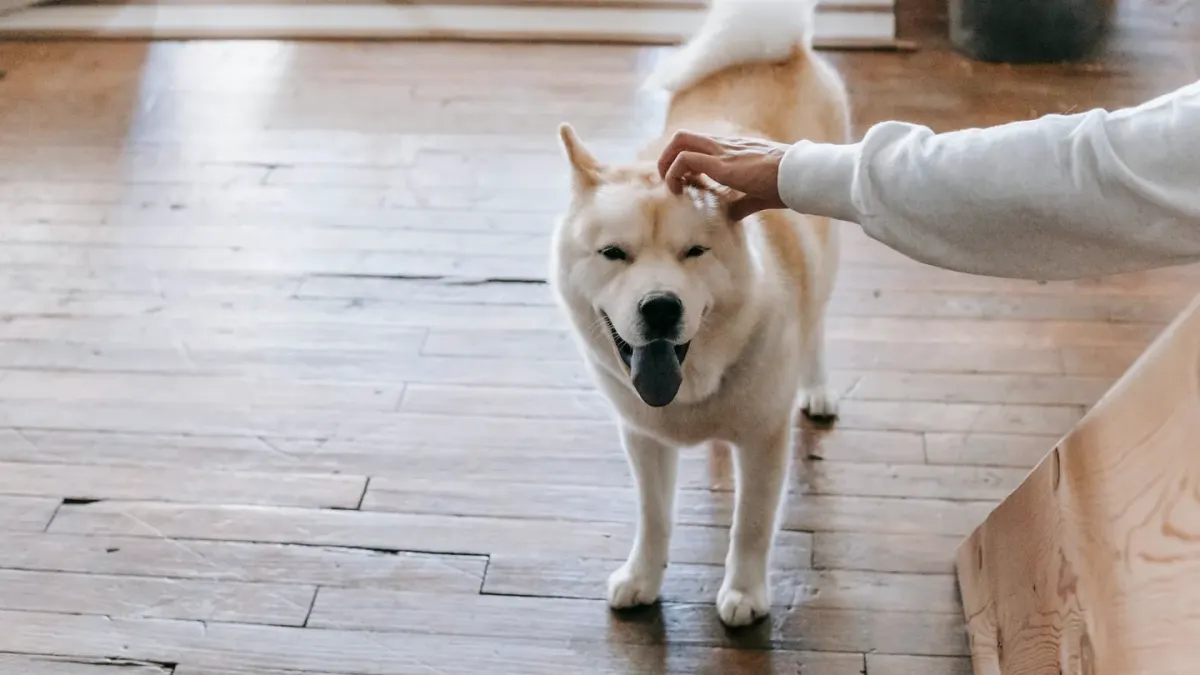
On this page
Yes, a mild stool change for a few days is often normal when you switch probiotic brands, and from my hands-on integrative practice I read it as the gut adjusting to a new mix of strains, carriers, and fiber rather than failing.
A lanky 4-year-old shelter mix came to mind as I wrote this, all legs and wiggles on the exam table while his owner described the switch. They had moved from a single-strain powder to a multi-strain chew with added prebiotic fiber on a Friday, and by Sunday morning he had passed three soft but formed stools in 36 hours instead of his usual two firm morning stools. His energy stayed bright, his belly stayed soft on palpation, and by Wednesday his stool was back to a log that held shape. That is the pattern I watch for when owners ask whether to stay the course or turn back.
My call: brief softness is expected, lasting change is not
The surprising limitation is that no probiotic label can promise zero stool change. Different brands carry different strains, different colony counts, different prebiotic fibers, and different flavors and binders, and any one of those can shift transit or water handling for a short window.
My call is simple. A 2- to 4-day wobble that stays mild may help maintain normal digestive rhythm while the microbiome steadies. A change that worsens after day 5, includes blood, vomiting, appetite loss, or lethargy, is not a normal switch effect.
Comfort matters beyond the bowl. From a manipulation and mobility support view, steady digestion may help maintain comfortable movement on walks and during bodywork, because a gassy, crampy dog guards the belly and shortens stride.
Checklist: normal switch signs versus call-the-clinic signs
Use this list for the first week after a brand change:
- Normal and can monitor at home: stool a half-step softer but still pick-up-able, a little extra gas, one skipped or one extra bowel movement in a day, mild gurgling that fades
- Slow down and simplify: loose stool for more than 2 days, need to go out overnight when that is new, picky eating but still drinking and playful
- Call your veterinarian promptly: watery diarrhea, blood or dark tarry stool, repeated vomiting, belly pain or bloating, no appetite for more than 24 hours, puppy or senior who becomes dull or dehydrated
That middle group is where owners do best to pause the new product, return to the prior feeding for 2 days, and then reintroduce more slowly.
Why the gut notices a brand switch
Strains differ in how they use fiber and how they interact with resident microbes. Prebiotic dose differs too. One chew may add a pinch of chicory or pumpkin powder while another adds almost none, and fiber only supports regularity within a range. You can read more on that ceiling in Can You Give a Dog Too Much Fiber? Here’s the Ceiling Owners Miss.
Enzymes, yeast ferments, flavorings, and chew bases also change. A dog moving from a plain capsule to a chicken-flavored soft chew is adjusting to more than microbes. For context on when those extras pull weight, see Digestive Enzymes for Dogs: When They Help and When They’re Just Expensive Powder.
The National Center for Complementary and Integrative Health notes that probiotic effects are strain-specific and product-specific, which is why I do not treat brands as interchangeable. The NIH Office of Dietary Supplements makes the same practical point for people, that formulation, dose, and viability shape response, and dogs show that same product-to-product variation in the stool pail.
Myth versus reality on switching probiotics
Myth: a good probiotic should never change stool, so any change means the new brand is bad.
Reality: a brief shift can reflect fermentation adjusting, especially if the new formula adds more prebiotic fiber or a broader strain blend. What matters is direction. Soft but improving over 3 days points toward adjustment. Soft and worsening points toward intolerance, too fast a switch, or something unrelated to the jar.
The little senior Pug I followed last spring showed the failed tradeoff clearly. He weighed 22 pounds and had done well on a single-strain capsule, and his owner switched cold to a multi-strain chew at full dose plus a new fish-based kibble in the same week. By day four he was passing five mushy piles a day instead of two, straining at the end, and skipping his evening Tui-na rubs because his belly felt tender. We stopped both changes, settled the gut with his prior food-first plan for five days, then reintroduced only the new probiotic at a quarter dose. His stool firmed over the next week, which told us the pace and the stacked changes were the problem, not necessarily the product.
Strain source matters here too. Human products and dog products are not built around the same organisms or carriers, which I break down in Human Probiotics vs. Dog-Specific Probiotic Strains: My Call, Then the Evidence. If you are switching categories, not just brands, expect the gut to notice.
Keep expectations structure/function. A probiotic may help maintain firm stool, regular transit, and a balanced gut environment that supports immune function. It does not fix infection, parasites, abrupt diet change, or swallowed sock syndrome.
A steady 7- to 10-day switch that may help maintain comfort
I use food-first sequencing plus gentle handling, because calm belly work and steady meals may help maintain ease while microbes settle.
Days 1 to 3: give one-quarter of the new label dose alongside the last few doses of the old product if you still have it. Feed the same food, same time, same treats. Note stool shape once daily.
Days 4 to 6: move to one-half dose if stools are stable or improving. Keep walks predictable and keep acupuncture or medical manipulation appointments gentle rather than deep.
Days 7 to 10: move to the full label dose if stools have held for two days. If softness returns at a step, drop back one step for 3 days.
An 11-year-old arthritic hound taught me where this plan has to bend. She was already on a narrow routine for stiff hips, taking short 0.4-mile sniff walks twice daily instead of one long loop, and even mild nighttime diarrhea would cost her sleep and next-day mobility. When her old powder was discontinued we could not overlap products, so we started the new brand at a crumb dose every other evening, held food completely steady, and added warm water to meals. Her stool dipped from firm logs to cow-patty piles for four evenings, then lifted back over days six through nine without a midnight accident. For frail seniors I stretch the switch to 14 days and protect sleep first.
Stop the switch and call your clinic if diarrhea turns watery, if you see blood, if vomiting joins in, or if your dog tires on a walk that is normally easy. Bring the old and new labels, the start date, and two photos of stool if you can.
For help choosing a formula worth switching to in the first place, I score labels the same way in Best Probiotic for Dogs: What the Evidence Actually Supports.
Frequently asked questions
How long should soft stool last after switching probiotic brands?
Mild softness for 2 to 4 days can be normal. If stool is still loose on day 5 to 7, or is getting looser instead of firmer, pause the new product and call your veterinarian.
Should I switch probiotics cold turkey or overlap?
Overlap when you can. Give one-quarter dose for 3 days, one-half for 3 days, then full dose, while food and treats stay the same for 7 to 10 days.
Does added fiber in the new brand cause the change?
It can. Different prebiotic fibers and chew bases change fermentation and water handling. A higher-fiber formula may soften stool briefly, then firm as the gut adjusts.
Sources
- Probiotics: What You Need To Know — National Center for Complementary and Integrative Health
- Probiotics Fact Sheet for Health Professionals — NIH Office of Dietary Supplements