On this page
- Why “just peanut butter” isn’t a safe assumption anymore
- What xylitol actually does once a dog eats it
- Puppyhood through adulthood: does the risk change with size or age?
- The label-reading sequence I actually walk owners through
- Supporting digestion if a dog gets a little too much peanut butter
- The bottom line
The verdict first: plain peanut butter, fed in small amounts, is fine for the vast majority of dogs. The part that actually matters isn’t the peanuts — it’s whether the jar contains xylitol, and that single ingredient is why this question deserves more than a shrug.
I’ve had more than one owner in my exam room describe the same scene: a dog gets a spoonful of peanut butter as a treat or a way to hide a pill, and within the hour they’re wobbly, disoriented, or collapsed on the kitchen floor. One case that stuck with me was a nine-year-old Beagle, close to 24 pounds, who’d been getting a smear of a “protein” peanut butter on his kibble for about a week — a jar his owner had picked up at a gym-adjacent grocery aisle without reading past “high protein” on the label. He came in lethargic and trembling on a Tuesday evening, and his blood glucose on presentation was low enough that it wasn’t subtle. The owner hadn’t weighed cost against risk; she’d weighed convenience against a label she never checked. That’s the gap I try to close with every client now.
Why “just peanut butter” isn’t a safe assumption anymore
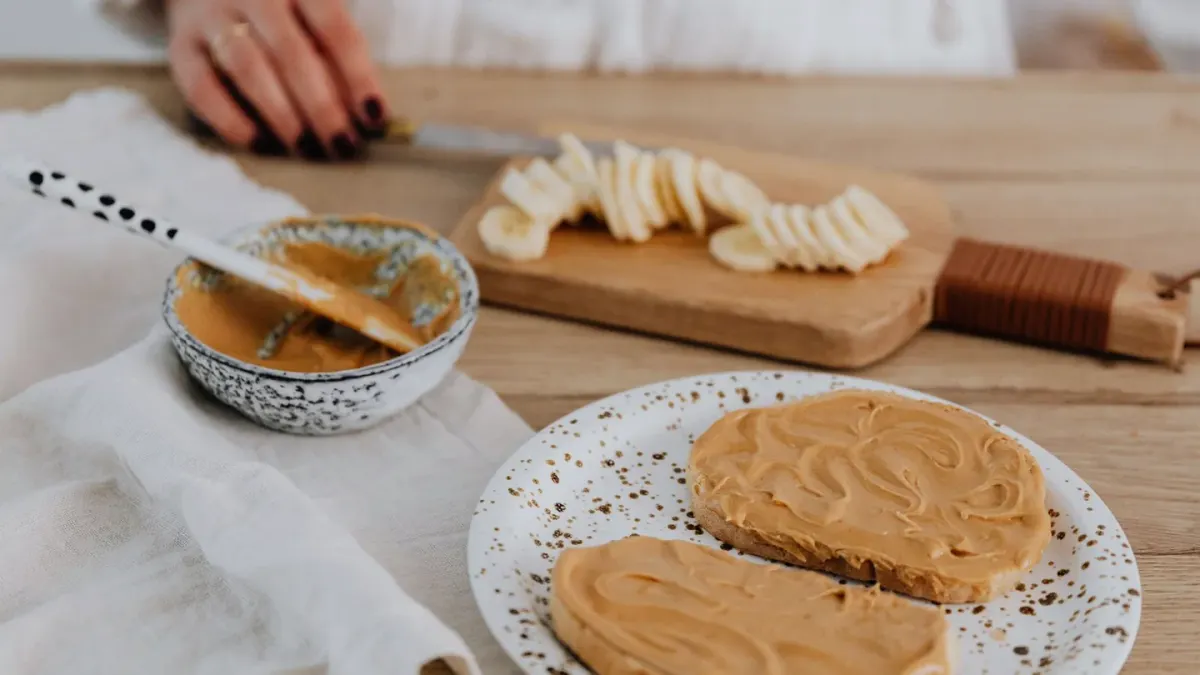
Plain peanut butter — peanuts, maybe a little salt or oil — has been a dog-training staple for decades, and there’s nothing in that ingredient list that should worry you. What’s changed is the sweetener aisle. Some manufacturers have started substituting xylitol for sugar in “natural” or “protein” peanut butters marketed to health-conscious humans, and xylitol is where this stops being a nutrition question and becomes an emergency one. The fda.gov: FDA has issued a direct consumer warning about xylitol’s danger to dogs, and it specifically calls out peanut butter as a common vehicle — including the advice that if you’re using peanut butter to give pills or fill a chew toy, you need to check the ingredient list first.
What xylitol actually does once a dog eats it
This isn’t a mild stomach-upset risk. In dogs, xylitol triggers a rapid, inappropriate release of insulin from the pancreas — a response that doesn’t happen in humans the same way — and that insulin surge crashes blood sugar. According to the Merck Veterinary Manual, doses greater than approximately 100 mg/kg (45 mg/lb) have been associated with hypoglycemia in dogs, and the most common clinical sign is profound low blood sugar that can produce vomiting, weakness, lethargy, low potassium, seizures, and coma. Signs can show up within 30 minutes, or be delayed up to 12–18 hours if the xylitol was in something that slows absorption — which is exactly the kind of dense, sticky substrate peanut butter is. At higher doses, above roughly 500 mg/kg (227 mg/lb), some dogs go on to develop severe liver injury, and the mechanism behind that liver damage still isn’t fully understood.
That’s a lot of pharmacology for a jar in the pantry. But it’s the reason I don’t treat this as a “just watch for an upset stomach” situation the way I might with, say, bananas or apples. Xylitol toxicity is a genuine veterinary emergency, full stop.
Puppyhood through adulthood: does the risk change with size or age?
A smaller dog needs far less xylitol to reach a dangerous dose per pound of body weight, so puppies and small-breed adults are at higher relative risk from the same lick of peanut butter that a 70-pound dog might tolerate better — though “better” still isn’t “safely,” since xylitol-containing peanut butter isn’t a calculated-dose product at all. There’s no safe amount to intentionally feed. For puppies specifically, I’m also more cautious generally, because their blood sugar reserves are smaller and a hypoglycemic crash tends to progress faster in a young, low-body-fat dog than in a mature adult.
Adult, healthy-weight dogs have more physiological buffer, which is part of why plain peanut butter has such a long track record as a training reward and pill-hider for that group. Senior dogs sit in an odd middle ground: many are otherwise resilient, but a senior dog on other medications, or one with any degree of liver or pancreatic compromise, has less reserve to absorb an insulin spike gracefully. I ask owners of older dogs to be especially strict about label-checking, not because peanut butter itself changes with age, but because the margin for a mistake gets thinner.
The label-reading sequence I actually walk owners through
Here’s the practical routine, in the order I give it in the room:
- Flip the jar and read the full ingredient list, not just the front-of-package claims. Xylitol is sometimes listed under aliases like “birch sugar” or “wood sugar,” so scan for those too.
- Favor short-ingredient jars — peanuts, maybe salt, maybe a stabilizing oil. The longer and more “diet-friendly” the marketing language, the more label-checking it deserves.
- Skip anything marketed as sugar-free, keto, or diabetic-friendly unless you’ve confirmed the sweetener by name. Those categories are where xylitol substitution shows up most often.
- Portion it like a treat, not a meal — a small dab on a spoon or stuffed toy, not a daily tablespoon habit, since peanut butter is calorie-dense and mostly fat.
- If your dog does get into a xylitol-containing product, treat it as an emergency and call your vet or an animal poison control line immediately rather than waiting for symptoms.
Supporting digestion if a dog gets a little too much peanut butter
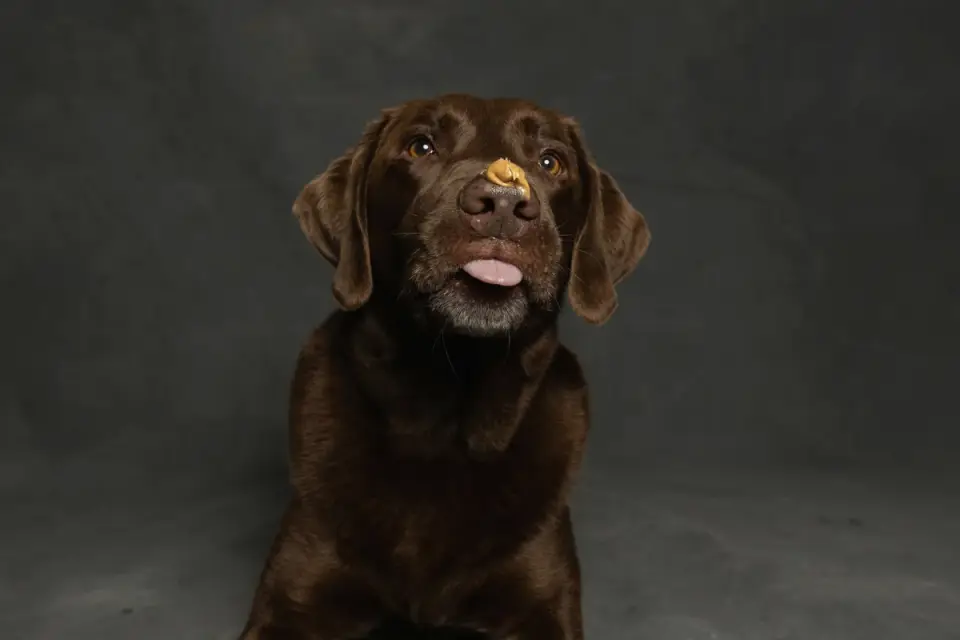
Assuming the peanut butter itself is xylitol-free, an occasional overzealous lick usually causes nothing worse than loose stool from the fat content, not a crisis. In dogs prone to a sensitive stomach after a fatty treat, I lean on structure/function support rather than restriction alone. A balanced gut microbiome supports overall immune function, and pumpkin fiber is a gentle, natural source of both soluble and insoluble fiber that many owners already keep on hand for exactly this kind of mild digestive wobble. For dogs with a diagnosed pancreatic issue like exocrine pancreatic insufficiency, the management picture is more structured: EPI is treated by pancreatic enzyme replacement therapy, nutritional management with low-residue diets of moderate fat content, and cobalamin supplementation, per a review published in the Journal of the American Veterinary Medical Association — which is also a good reason fatty treats like peanut butter deserve real portion discipline in those dogs specifically. That same review notes that future studies are still needed to understand persistent gut dysbiosis in EPI dogs even after enzyme therapy begins, so this remains an area where the evidence is still developing.
I think about this the same way I think about avocado or bread in a dog’s diet: the headline ingredient usually isn’t the real hazard, the manufacturing choices around it are. Peanut butter’s fat content is a moderation issue; xylitol is a poison-control issue. Conflating the two either makes owners overly nervous about a safe treat, or dangerously casual about an unsafe one.
The bottom line
I had a follow-up call with that Beagle’s owner a few weeks after his hypoglycemic episode, once he’d fully recovered on IV dextrose and monitoring. She’d switched to a single-ingredient peanut butter and started reading every label in her pantry, not just the dog treats. That’s really the whole lesson: peanut butter isn’t the problem, and it never needed to be treated like one. The habit that actually protects a dog is a five-second label check before the jar ever opens — every time, not just the first time.
Frequently asked questions
Is peanut butter safe for dogs?
Plain, xylitol-free peanut butter is safe for most dogs in small amounts. The risk isn't the peanuts themselves — it's sweetener substitution in some manufactured jars, so the ingredient label is what determines safety, not the product category.
How much xylitol is dangerous for a dog?
According to the Merck Veterinary Manual, doses above roughly 100 mg/kg (45 mg/lb) have been linked to hypoglycemia in dogs, with more severe liver injury risk at higher doses. There's no safe amount to intentionally feed, since peanut butter jars aren't dosed products.
What are the signs of xylitol poisoning in a dog?
Vomiting, weakness, lethargy, low potassium, seizures, and coma from profound hypoglycemia. Signs can appear within 30 minutes or be delayed up to 12–18 hours depending on what the xylitol was mixed into.
Can peanut butter upset a dog's stomach even without xylitol?
Yes — it's calorie-dense and high in fat, so overfeeding it can cause loose stool or mild digestive upset in sensitive dogs, separate from any xylitol concern.
Sources
- Paws Off Xylitol; It's Dangerous for Dogs | FDA — fda.gov
- Xylitol Toxicosis in Dogs — Merck Veterinary Manual
- Exocrine pancreatic insufficiency review — Journal of the American Veterinary Medical Association