Here’s my call up front, then I’ll show you the scoring: if I’m choosing one to recommend first for a dog losing muscle with age or convalescence, it’s L-carnitine. Not because creatine is bad — it isn’t — but because L-carnitine has a real, published, dog-specific feeding trial behind it, and creatine’s canine evidence is still a handful of small studies borrowed mostly from human sport science.
I read the body first, always. A dog that’s lost topline muscle over a joint, whose hips look narrower under your hand than they did last spring, is telling you something no label can. Supplements are one input into that picture — never the whole answer.
L-carnitine is a naturally occurring compound your dog’s liver and kidneys make from two amino acids, and it’s required to shuttle fatty acids into the mitochondria for energy production. The NIH Office of Dietary Supplements: Carnitine - Health Professional Fact Sheet from NIH’s Office of Dietary Supplements lays out this fat-metabolism role clearly, though it’s written for human physiology — dogs handle carnitine somewhat differently, particularly in how much they synthesize versus need from diet.
The dog-specific evidence is where L-carnitine pulls ahead. A controlled feeding trial in Labrador retrievers, published as PMC (National Library of Medicine): Utilisation of supplemented l-carnitine for fuel efficiency, as an antioxidant, and for muscle recovery in Labrador retrievers, found that supplemented dogs gained lean tissue mass on body composition scans while the control group actually lost it over the same period. That’s a real, measurable signal in the breed most owners are asking about — not a mouse study extrapolated sideways.
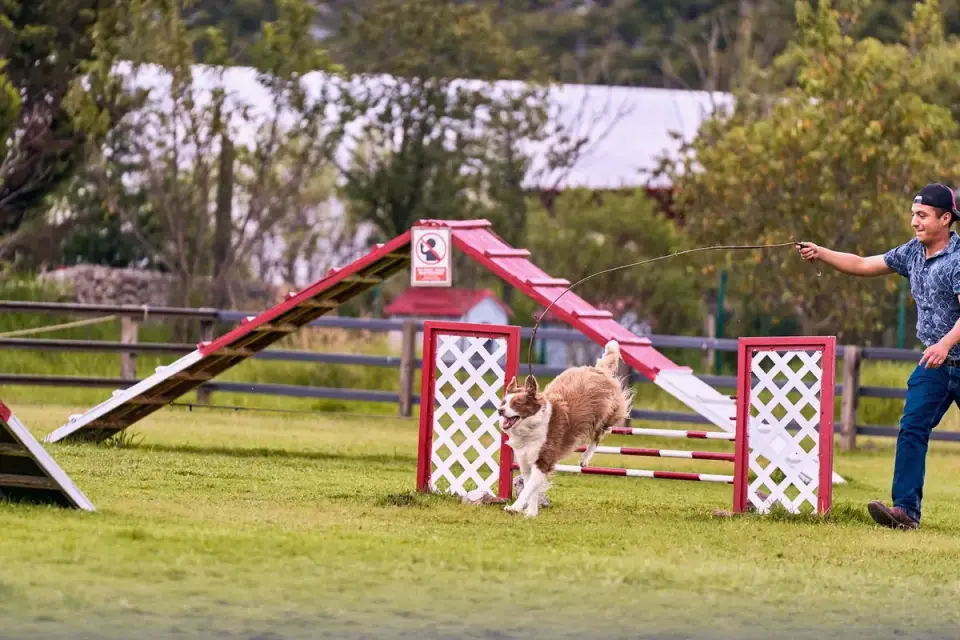
Creatine works on a different axis entirely. It’s stored in muscle as phosphocreatine and buffers the ATP system during short, explosive efforts — the kind of push a dog makes launching off a dock or sprinting after a squirrel, not the slow burn of a long walk. In humans, creatine’s ergogenic effect across dozens of trials is about as well-established as sports supplementation gets. In dogs, the picture is thinner. A study tracking ScienceDirect: Changes in Plasma and Muscle Creatine Concentration after Increases in Supplementary Dietary Creatine in Dogs confirmed dogs do absorb and store supplemental creatine, and a separate short trial found that agility dogs given creatine monohydrate for about two weeks showed improved performance during fast, high-intensity runs. That’s real, but it’s a small slice of the literature, mostly aimed at working and sport dogs rather than aging pets losing lean mass.
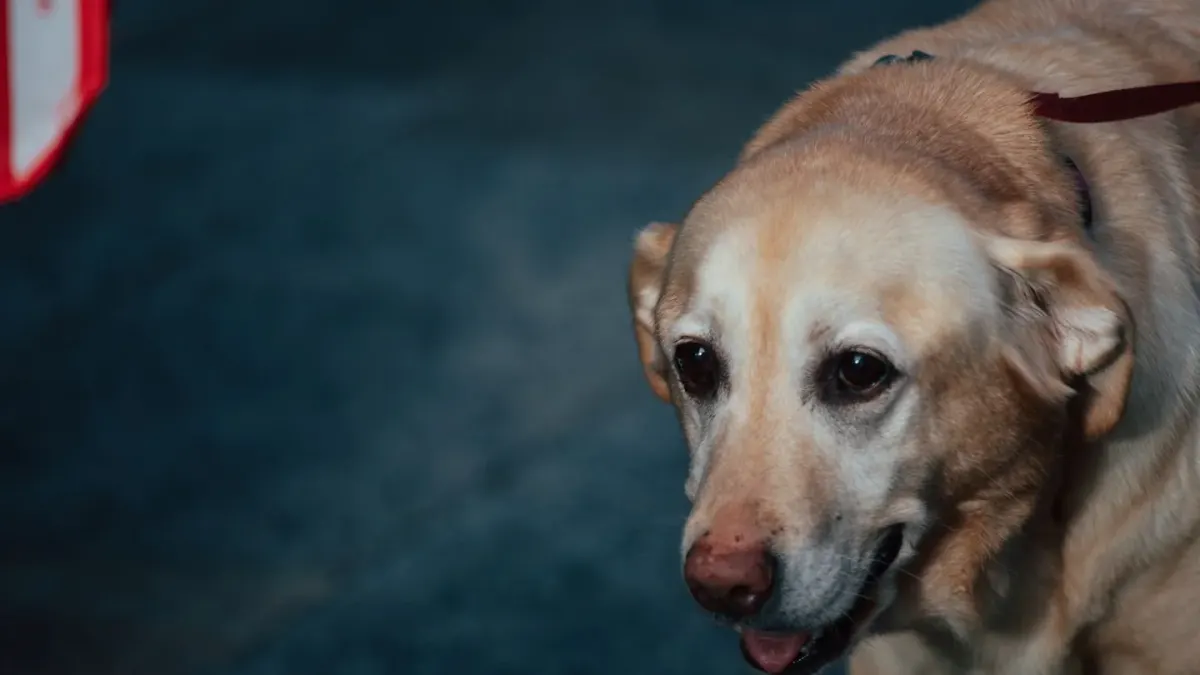
In my practice, the dog I think about most for this comparison was a nine-year-old Labrador named Duke, fifty-eight pounds, whose owner noticed over about four months that he’d stopped jumping into the SUV on his own and started hesitating at the bottom porch step every evening after his walk. His topline had visibly narrowed — she could feel his spine where she used to feel muscle. We weren’t chasing a sprint problem; we were chasing slow, steady lean-mass loss layered on top of early hip changes. That’s a carnitine conversation, not a creatine one, and it’s the pattern I see most often walk through my exam room door — the older dog losing muscle gradually, not the young dog needing an explosive edge.
The myth worth naming here is that “muscle support” is one category and any muscle supplement will do. It isn’t. Carnitine supports how a dog’s muscle cells generate steady energy from fat over time; creatine supports how much force a muscle can put out in a two-to-ten-second burst. A senior dog losing lean mass on the couch and a working dog needing more explosive drive on the agility course are not the same problem, and treating them with the same supplement misreads what each molecule actually does.
Where the evidence gets thin for both: neither ingredient has been shown, in dogs, to add years of life or reverse a disease process, and neither should be framed that way. The Labrador carnitine trial measured body composition over a defined feeding period in healthy research dogs, not senior dogs with concurrent illness. The creatine agility trial ran fifteen days in a small sample of working dogs. These are structure-and-function signals — plausible, evidence-bounded support for muscle maintenance and short-effort output — not proof of a broader anti-aging benefit. I’d rather tell you that plainly than let a bottle imply more.
A short note on quality, because it matters more than most owners expect: look for the NASC seal on any muscle-support product you’re considering. It doesn’t certify that a supplement works — it certifies that the company underwent facility audits and that what’s on the label is more likely to match what’s in the bottle. That’s a baseline, not a guarantee of efficacy, but it’s a baseline worth insisting on. For a deeper look at how form affects what actually reaches the gut, see Chew vs Powder vs Liquid Supplements for Dogs: Which Form Is Most Effective, and if you’re buying online, Amazon Marketplace vs. Brand-Direct Websites for Dog Supplements: Which Is Actually Safer? is worth reading before you click purchase.
The sequence I actually recommend: first, figure out which problem you’re solving. If your dog is aging, recovering from illness or surgery, or losing visible topline muscle, I lean toward L-carnitine, given as a tool that may help support lean mass alongside adequate protein and appropriate exercise — never as a stand-alone fix. If your dog is a working or sport dog whose limiter is short bursts of speed or power, creatine has a narrower but real evidence base worth discussing with your vet. Either way, don’t skip the exam. Muscle loss can also signal arthritis, a metabolic issue, or early cachexia, and it’s worth ruling those out before you reach for a supplement — our piece on Arthritis vs. Normal Aging Stiffness in Dogs: How to Tell the Difference walks through how to tell whether stiffness is joint-driven or something else.

Near the end of a case like Duke’s, I remember his owner asking me, almost apologetically, whether she’d waited too long to notice. She hadn’t — four months of gradual change is exactly the window where a supplement paired with rebuilt strength work can still move the needle, and where waiting another year likely wouldn’t have been. We added L-carnitine alongside a protein-adequate diet and a short, low-impact strength routine, and over the following months her own description of his gait — steadier onto the porch step, less pausing at the base — was the marker that mattered to her, more than any single number would have. I don’t present that as a study result; it’s one dog, one owner’s read of one gait. But it’s the shape of the conversation I have on repeat, and it’s why I lead with function, not with a supplement aisle.
Going forward, I expect the canine-specific creatine research to catch up — the absorption and safety groundwork is already there, and sport-dog demand is real. Until it does, I’ll keep sorting owners toward the ingredient that matches their dog’s actual problem, and I’ll keep saying the same thing I say in every one of these comparisons: keep supplements as support, never as a fix.
Frequently asked questions
Can I give my dog L-carnitine and creatine together?
There's no published canine evidence testing them combined, so I don't recommend stacking them without a vet's input — start by identifying which specific problem, gradual muscle loss versus short-burst performance, you're actually trying to support.
Is creatine safe for dogs?
The available canine studies, including absorption and plasma-level tracking work, have shown dogs tolerate supplemental creatine reasonably well, though the long-term dog-specific safety record isn't as deep as it is in human sport medicine.
Will either supplement reverse muscle loss on its own?
No. Both are structure/function tools that may help support muscle maintenance or short-effort output alongside adequate protein and appropriate exercise, not a fix for underlying disease, arthritis, or malnutrition.
Sources
- Carnitine - Health Professional Fact Sheet — NIH Office of Dietary Supplements
- Utilisation of supplemented l-carnitine for fuel efficiency, as an antioxidant, and for muscle recovery in Labrador retrievers — PMC (National Library of Medicine)
- Changes in Plasma and Muscle Creatine Concentration after Increases in Supplementary Dietary Creatine in Dogs — ScienceDirect