
On this page
My call up front: omega-3 fatty acids, specifically EPA and DHA, are the ones with trial data behind them for dampening inflammation in dogs. Omega-6 isn’t the villain half the internet makes it out to be — dogs need linoleic acid for skin barrier function — but most commercial diets already deliver plenty of it. The lever you actually have to pull is the ratio between the two, and that means adding more omega-3, not chasing an omega-6-free diet that doesn’t exist on a pet food shelf.
I’ve had this conversation more times than I can count with owners who read that omega-6 is “pro-inflammatory” and start scrutinizing every ingredient panel for corn oil or poultry fat. A Labrador mix named Otis, nine years old and sixty-eight pounds, came into my exam room because his owner had cut all omega-6-containing treats from his diet after reading a blog post, convinced that was why his hips had gotten stiff that winter. His bloodwork was unremarkable, his weight was up four pounds from his last visit, and his gait told me more than his diet history did — worse after his morning nap on the tile floor, better once he’d been moving for ten minutes. That’s a pattern consistent with osteoarthritis, not an omega-6 overdose. What Otis needed wasn’t omega-6 restriction; it was a measured EPA/DHA dose and a weight-loss plan, because the fat he was carrying was doing more inflammatory work than any oil in his kibble.
The myth: omega-6 is the enemy
Omega-6 fatty acids, mainly linoleic and arachidonic acid, get metabolized into eicosanoids that can be pro-inflammatory, and that’s the kernel of truth behind the “omega-6 is bad” narrative. But dogs have a dietary requirement for linoleic acid — it’s essential for skin and coat integrity, and diets that are too low in it produce dry, flaky skin and a dull coat before they produce any measurable inflammatory benefit. The research on PMC (National Library of Medicine): The Balance of n-6 and n-3 Fatty Acids in Canine, Feline, and Equine Nutrition is clear that the goal isn’t eliminating omega-6, it’s correcting a ratio that’s typically skewed 15 or higher in dogs eating standard commercial diets.
What the ratio numbers actually say
The National Research Council’s working range for omega-6 to omega-3 sits between roughly 2.6 and 26, and AAFCO caps the ratio at 30 in its nutrient profiles — a wide berth that tells you how little consensus there still is on an exact optimum. A study on PubMed: Effect of Age, Breed and Dietary Omega-6 Ratio on Immune Function in Dogs found that a 5 ratio produced a favorable immune response in both young and geriatric dogs, which is the closest thing this field has to a target number you can act on. Most dry commercial diets, by contrast, land somewhere between 10 and 20 without added fish oil, which is the gap a supplement is meant to close.
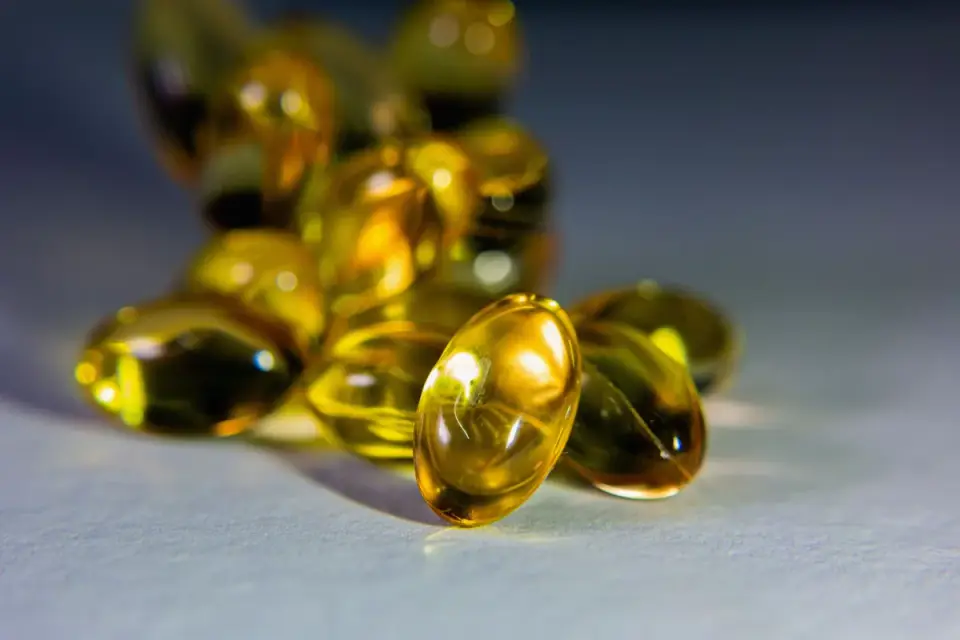
The evidence for omega-3 in osteoarthritis specifically
This is where the data actually gets strong enough to build a recommendation on. A randomized, double-blind, placebo-controlled trial published in ScienceDirect: Effects of EPA and DHA on Clinical Signs and Erythrocyte Membrane Polyunsaturated Fatty Acid Concentrations in Dogs with Osteoarthritis fed 127 client-owned osteoarthritic dogs a test food with roughly a 31-fold increase in total omega-3 content and a 34-fold reduction in the omega-6-to-omega-3 ratio over six months. Red blood cell membrane analysis showed the ratio of arachidonic acid to EPA and DHA dropped significantly by day 42 and stayed down through day 84 — a lab-verifiable shift, not just an owner-reported one. Dosing in osteoarthritis trials has generally clustered around 48–100 mg/kg of EPA and 20–32 mg/kg of DHA, delivered daily and sustained for weeks before effects show up.
A newer trial, MDPI (Animals): The Effects of Omega-3 Supplementation on the Omega-3 Index and Quality of Life and Pain Scores in Dogs, measured the omega-3 index directly rather than relying on symptom scores alone, which matters because it confirms the fatty acid is actually reaching the bloodstream in a dose-dependent way before anyone claims a clinical effect. That’s the kind of diagnostic-yield thinking I want behind a supplement claim, not just an owner’s impression that their dog seems better.
One thing that gets lost in the marketing: none of this is a cure. The right framing, and the one that matches what the trials actually measured, is that adequate EPA and DHA intake supports a healthier inflammatory balance and can ease the clinical signs owners see day to day — not that it reverses joint disease or adds years to a dog’s life.
A pattern I’ve watched repeat in exam rooms
The dogs I see get the most benefit from omega-3 correction aren’t the ones on an exotic anti-inflammatory diet — they’re the ones whose owners finally stop treating fish oil as an occasional treat topper and start dosing it like a medication, at a consistent amount, at the same time each day, for at least six to eight weeks before judging results. I had a fourteen-year-old spaniel client whose owner tracked stair-climbing reluctance on a kitchen calendar for two months once we started a measured EPA/DHA dose; the notes went from “refused stairs, carried down” most days in week one to “took stairs slowly, no carry” by week six. That’s one dog’s timeline, not a study result, but it’s the shape I look for before I credit a supplement with doing anything.
What to check before you buy
Read the label before you read the claim on the front of the bag. Confirm the product states actual EPA and DHA milligrams per dose, not just “fish oil” or “omega-3s” as a vague total — total omega-3 content on a label can include ALA from plant sources, which converts to EPA and DHA in dogs at a poor rate and won’t get you anywhere near trial dosing. Check whether the company has third-party testing or National Animal Supplement Council certification, since NASC audits manufacturing facilities and monitors adverse event reporting for member companies. And weigh the format against your dog’s tolerance — the choice between a chew, powder, or liquid supplement affects both dosing accuracy and how consistently an owner actually sticks with it, which matters more than any format’s theoretical absorption edge.
If your dog is already showing joint stiffness, it’s worth learning to distinguish arthritis from normal aging stiffness before you assume omega-3 alone will fix a gait change — some dogs need it alongside weight management or a joint-specific workup, not instead of one. And if inflammation shows up as gut symptoms rather than joint ones, it’s also worth comparing omega-3 against other structure/function options, including how it stacks up in postbiotics versus fish oil for inflammation.
Where this leaves the decision
Buy omega-3 for the EPA and DHA content specifically, dose it consistently, and give it six to eight weeks before deciding whether it’s working. Don’t restrict dietary omega-6 to chase a ratio number — most commercial diets already sit within a workable range, and eliminating linoleic acid causes its own problems. Where the evidence is thin: the exact optimal ratio (5 versus 10 versus something else) still isn’t settled, and most of the strongest trial data comes from osteoarthritis specifically, not from inflammation broadly across every condition an owner might be worried about. That gap is worth being honest about rather than papering over with a bigger promise than the data supports.
Key Takeaways
- Omega-3 (EPA/DHA) has the strongest trial evidence for easing inflammatory joint signs in dogs; omega-6 restriction alone doesn’t.
- A 5 omega-6-to-omega-3 ratio produced favorable immune outcomes in one dog study, though NRC and AAFCO allow a much wider range.
- Osteoarthritis trials generally dosed 48–100 mg/kg EPA and 20–32 mg/kg DHA daily, sustained for six or more weeks before judging results.
- Check labels for actual EPA/DHA milligrams, not a vague “omega-3” total, and look for NASC certification or third-party testing.
- Omega-3 supplementation supports a healthier inflammatory balance — it does not cure joint disease or guarantee a longer lifespan.
Frequently asked questions
Is omega-6 bad for dogs?
No. Omega-6 fatty acids like linoleic acid are essential for skin and coat health. The concern is an imbalanced ratio relative to omega-3, not omega-6 itself.
How long does omega-3 take to reduce inflammation in dogs?
Trial data generally shows measurable changes in fatty acid blood ratios by around six weeks, with clinical sign improvement tracked over six to twelve weeks of consistent dosing.
Can plant-based ALA replace fish oil for dogs?
Not effectively. Dogs convert ALA to EPA and DHA poorly, so most of the clinical evidence for inflammation is based on marine-source omega-3, not flaxseed or other plant oils.
Sources
- The Balance of n-6 and n-3 Fatty Acids in Canine, Feline, and Equine Nutrition — PMC (National Library of Medicine)
- Effect of Age, Breed and Dietary Omega-6:Omega-3 Ratio on Immune Function, Eicosanoid Production, and Lipid Peroxidation in Young and Aged Dogs — PubMed
- A Prospective, Randomized, Double-Blind, Placebo-Controlled Evaluation of EPA and DHA in Dogs with Osteoarthritis — ScienceDirect
- The Effects of Omega-3 Supplementation on the Omega-3 Index and Quality of Life and Pain Scores in Dogs — MDPI (Animals)
- National Animal Supplement Council — NASC