
On this page
If you booked a flight with your dog and the airline changed its pet policy afterward, your confirmation email feels like proof. I counsel clients to expect the opposite. The confirmation holds your seat, not the pet rule that was live when you clicked buy.
I saw this last spring with a client flying cross-country with her 4-year-old, 22-pound Cavalier mix for her sister’s wedding. She had booked in-cabin travel three months out, paid the pet fee, and printed the carrier dimensions. By week six, the airline cut the in-cabin weight limit and added a breed restriction for connecting flights. At check-in practice at home, the dog was calm in the carrier with a baseline of quiet panting and easy settling. Three weeks in, the owner called me panicked because the app now flagged her reservation as needing review. She had to choose between rebooking on a different carrier or driving 14 hours with a dog who had never ridden that long.
That gap between booking and flying is where most families get caught.
Why doesn’t my original booking lock in the pet rules?
Airlines treat pet transport as a conditional service governed by their current contract of carriage, not by the marketing page you saw at booking. Weight limits, carrier dimensions, fees, embargo dates, and cargo acceptance can shift with season, aircraft change, or safety review. Your passenger ticket is protected differently than your pet reservation.
This is the surprising limitation I want you to hear first. The U.S. Department of Transportation explains that airlines set their own animal acceptance rules within federal safety requirements, and those rules can vary by flight. The USDA APHIS adds another layer for interstate and international health requirements that airlines must enforce even if they change after you book. In practice, the gate agent follows today’s manual, not your screenshot.
Keep screenshots anyway. They may help support a refund or rebooking request, but they rarely force an exception for your dog.
Will the airline really turn my dog away at check-in?
Yes, if your dog no longer meets the current rule.
That is the myth-versus-reality I spend the most time untangling. Myth: if I paid the pet fee, they have to honor it. Reality: payment reserves a request for space, subject to re-verification for carrier fit, weight, behavior, health documents, and temperature embargoes. I have seen calm, well-prepared dogs denied because the carrier was a half-inch too tall for a swapped regional jet, or because a new heat embargo grounded cargo dogs that morning.
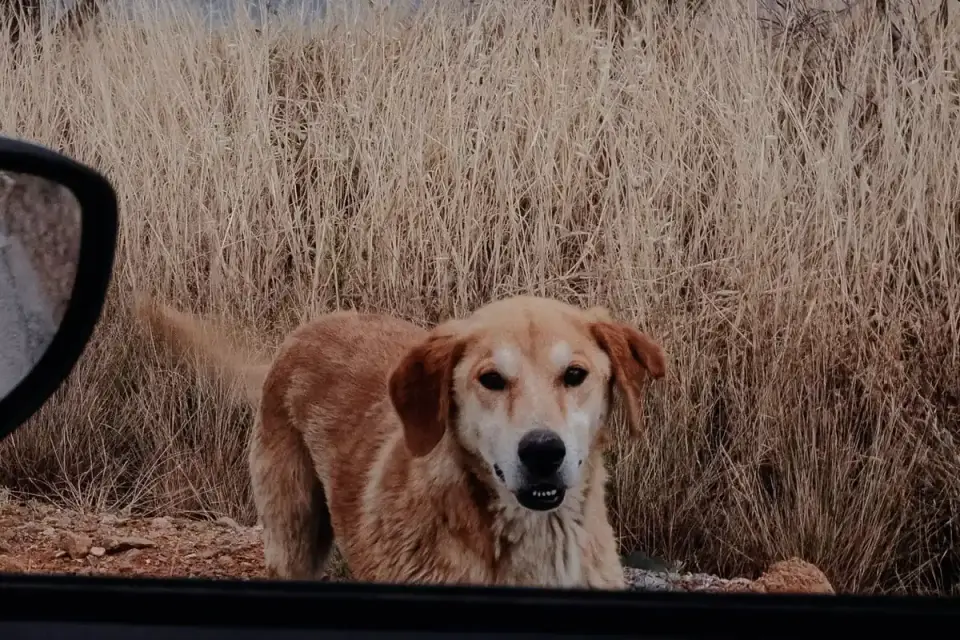
A second family learned this the hard way when they tried to out-argue the change. They traveled with a 2-year-old, 68-pound adolescent Lab mix booked for cargo on an evening flight. When the airline announced a summer cargo embargo and moved pets to a morning-only window, the owners pressed for an exception and doubled down on crate training the night before. By day 10 of that scramble, the dog was drooling, pawing at the crate door, and refusing meals before practice sessions — clear stress signals stacked on top of a logistics problem. They arrived early, paperwork perfect, and were still denied because the ramp temperature at connection exceeded the cutoff. The failed approach was not poor training. It was treating a safety policy like a customer-service negotiation.
You will do better if you treat a policy change as a no-go signal until you prove otherwise.
What should I do in the first 48 hours after the change?
Call, document, and build a backup plan in that order. Do not wait until travel week.
Start with the airline’s live pet desk, not chat. Ask three questions and write down names and times: does my existing pet reservation still meet the revised rule, what aircraft and carrier dimensions apply to each leg now, and what rebooking or refund options exist if it does not? Then pull your dog’s health paperwork against current requirements. The American Veterinary Medical Association recommends confirming health certificates, vaccination timing, and acclimation needs well before flight day because airline and destination rules often differ.
Next, re-baseline your dog. Practice the exact low-stress handling you will use at security and boarding: carrier settling, removal and hold, and resettling without chasing. For realistic timelines, give yourself at least two weeks of short daily sessions if you switch carriers or switch from cabin to driving. If your dog shows persistent panting, whining, trembling, or avoidance, pause and talk with your veterinarian about whether flying still fits that dog.
For carrier fit and cabin prep, review How to Fly With a Dog: The Complete Guide and Best Airline-Approved Dog Carriers: What “Approved” Actually Means. If size now pushes you out of the cabin, read Traveling With a Small Dog vs a Large Dog: What Actually Changes.
One short rule holds here.
Never assume the return flight follows the same rules as the outbound.
When should you rebook, drive, or leave your dog home?
Use this sequence I give clients. If your dog still clearly meets the new written rule on every leg and your veterinarian confirms the health paperwork is current, re-confirm in writing and keep flying. If you are borderline on weight, carrier height, or breed list, rebook to an airline and aircraft where you are comfortably inside the limit — not arguing the edge.
Consider driving when the change moves you from cabin to cargo, adds a risky connection, or lands you in a heat embargo. A 9-year-old, 14-pound senior Shih Tzu I counseled on illustrated the edge case well. She met the new weight rule, but the revised policy required a mid-route plane change with a second security screening and a three-hour layover. By day 4 of carrier retraining, she was settling for 40 minutes at home yet still coughing and pacing under airport recordings. Her owner worried most about breathing effort and bathroom breaks, not behavior. We mapped a two-day drive with planned stops, familiar bedding, and water offered on schedule. She arrived tired but stable, while the same itinerary by air would have stacked airway stress on an older dog with little reserve.
That is the preventive call: choose the plan that supports normal behavior, breathing, appetite, and rest for your specific dog, not the plan that saves the ticket.
What would I do if this were my patient in the room today?
Frequently asked questions
Can an airline change its dog policy after I booked?
Yes. Airlines can update weight limits, carrier rules, fees, and embargoes, and staff enforce the current policy at check-in even if you booked under an older version.
Will I get a refund of the pet fee if my dog no longer qualifies?
Often yes, but ask directly. Document the policy date, your original receipt, and the agent's name, then request rebooking or a refund to the original payment method.
What paperwork should I recheck after a policy change?
Recheck health certificate timing, rabies documentation, carrier dimensions for each aircraft, and any temperature or breed restrictions that now apply to your route.
Sources
- Flying with Pets and Service Animals — U.S. Department of Transportation
- Pet Travel — USDA APHIS
- Traveling with Pets by Air — American Veterinary Medical Association