On this page
Store-bought mushrooms and wild mushrooms are not the same question, and treating them that way is where most of the worry — and some of the real danger — comes from.
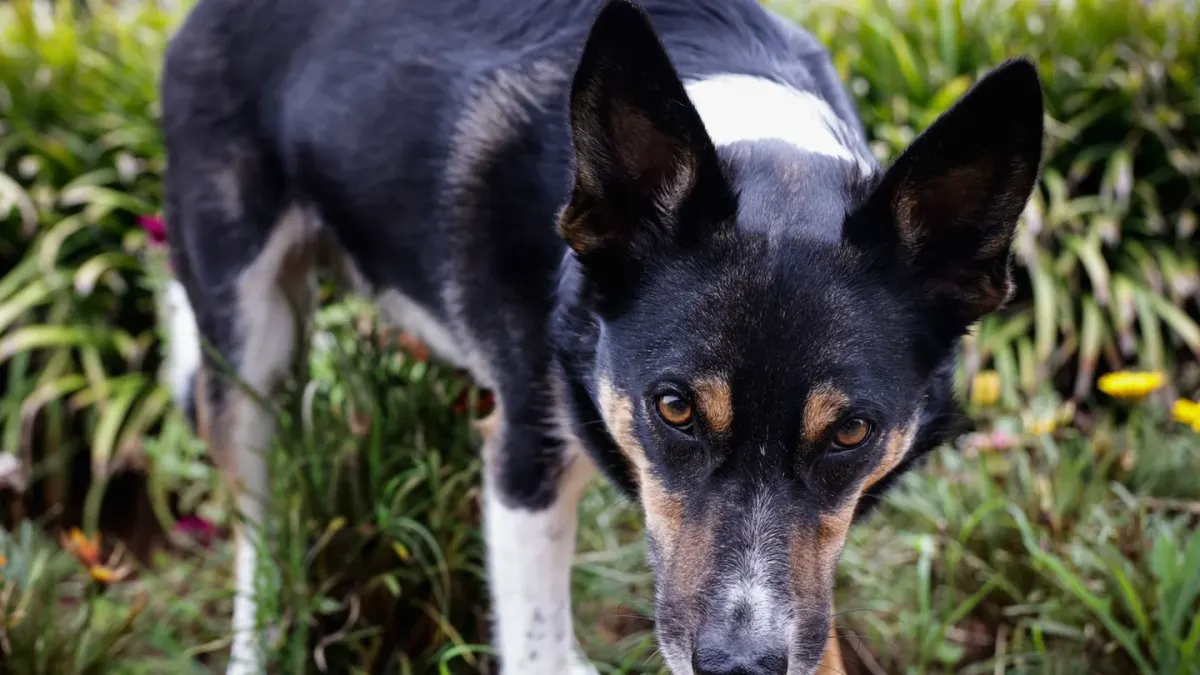
Picture a Lab mix on an early walk, nose down in the wet grass along the fence line after a week of rain. She noses a small brown-capped mushroom loose from the mulch and swallows it before her owner can get a hand near her mouth. There is no way, standing on a sidewalk, to know whether that cap came from a completely edible species or from something in the same genus as the death cap. That single fact — that identification in the field is genuinely hard, even for people who look for a living — is the reason this topic gets treated with more caution than a strawberry or a green bean ever would.
The verdict, before the caveats
Plain, cooked, unseasoned button, cremini, portobello, or shiitake mushrooms from a grocery store are fine for most dogs in small, bite-sized amounts. They aren’t a nutritional standout worth building into a routine, and raw mushrooms of any culinary variety are more likely to cause stomach upset than cooked ones. That’s the low-stakes half of the answer. The other half is that any mushroom picked up outdoors should be assumed toxic until someone who actually knows fungi says otherwise, because the mushrooms responsible for the overwhelming majority of confirmed pet deaths — Amanita, Galerina, and Lepiota species — can resemble ordinary lawn mushrooms closely enough that guessing is not a strategy. Pet Poison Helpline is blunt about this: all mushroom ingestions by pets should be considered toxic unless a specialist can accurately and quickly identify the mushroom as non-toxic.
Why “it’s probably fine” undersells the risk
The counterargument I hear a lot, and take seriously, is that most dogs who eat a random yard mushroom never get sick — which is true, and which is exactly what makes owners complacent. The problem is that the deadly minority doesn’t announce itself. ASPCA notes that Amanita phalloides toxins can cause liver failure within 24 hours, and one of the most dangerous features of that poisoning is a delayed onset — signs may not appear for 8 to 24 hours, long past the point where an owner would still be thinking about the walk that morning. By the time symptoms show up, the toxin has already had a full day’s head start. I land on the cautious side here specifically because the cost of being wrong is so lopsided: a vet visit that turns out to be unnecessary is an inconvenience, while a missed Amanita ingestion is not.
Depending on species, mushroom toxins hit different organ systems — some cause gastrointestinal signs like vomiting and diarrhea, some affect the central nervous system with tremors or disorientation, some target the liver with black, tarry stools and rising liver enzymes, and others go after the kidneys. A few act within 15 to 30 minutes; others take most of a day. That range is part of why a wait-and-see approach doesn’t hold up as sound practice.
Store-bought vs. wild: where the real line sits
Once you separate the two categories, the guidance actually simplifies. Culinary mushrooms sold for human consumption — button, cremini, portobello, shiitake, even canned or dried versions — are a known quantity. The mushrooms growing in your yard, a neighbor’s mulch bed, or the tree line on a hiking trail are not, and no amount of confidence in your own foraging knowledge changes that for a dog who swallows first and chews never. I’d rather ground that distinction in what these foods actually contribute, nutritionally, than wave the store-bought half away as harmless just because it’s sold in a produce aisle: culinary mushrooms bring modest fiber and trace minerals and essentially nothing a dog’s diet is missing, which is exactly why there’s no compelling reason to make them a habit even on the safe side of the line.
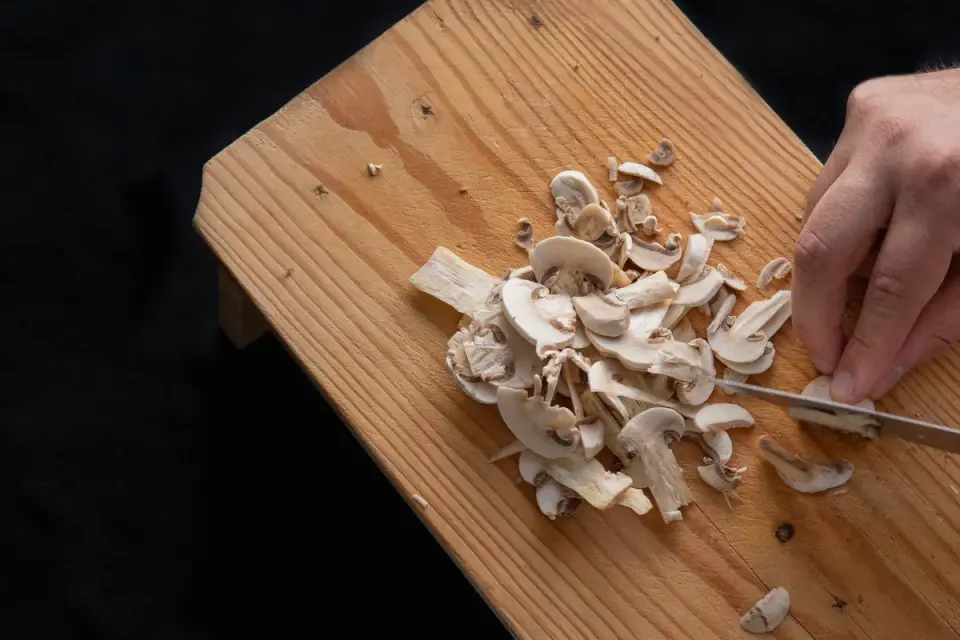
Consider a household that cooks with mushrooms several nights a week — a stir-fry with shiitake, a risotto with cremini — and has a terrier who parks himself under the cutting board hoping for drops. A raw shiitake stem that lands on the floor isn’t an emergency in the way a wild mushroom is, but it’s also not free of risk: raw mushrooms are harder to digest than cooked ones and more likely to cause the vomiting or loose stool that sends an otherwise fine dog to an uncomfortable night. The fix isn’t panic, it’s habit — cook it, cut it small, skip the garlic and onion seasoning, and keep the amount to a bite rather than a serving.
A practical sequence if your dog eats a mushroom
First, try to identify where the mushroom came from — grocery bag or ground — without wasting time chasing a species ID you’re unlikely to nail anyway. Second, if it came from outdoors, call your veterinarian or a pet poison control line immediately, even with zero symptoms; note the time of ingestion, since the delayed-onset toxins make that timestamp clinically useful. Third, if you can safely do so, bag a sample of the mushroom, including any part of the cap, gills, or stem, for a mycologist or vet to examine — a photo is a reasonable backup. Fourth, don’t induce vomiting on your own without a professional’s direction; some mushroom toxins and inconsistent gut irritation make that call one to leave to a vet. If it came from the kitchen and was plain and cooked, watch for vomiting or diarrhea over the next several hours and call your vet if either persists.
Supporting digestion afterward, in plain terms
A dog who’s had loose stool or vomiting after any mushroom exposure — toxic or just a raw kitchen scrap — is dealing with a gut that needs settling, not more novelty foods thrown at it. This is where a bland, low-residue recovery diet and time matter more than any single ingredient, and it’s the same logic that applies to other fiber questions owners bring up, like whether you can give a dog too much fiber or how to prep sweet potato without overshooting portions. If a dog’s stool has been inconsistent for a while independent of any mushroom incident, that’s also when owners start asking whether a probiotic actually pays off, and questions like whether a bigger bag of probiotic chews costs less per serving are worth working through with real numbers rather than marketing math.
The bottom line
A plain cooked mushroom from the produce aisle isn’t a food to fear, but it isn’t one to build a routine around either. A mushroom from the yard is a different category of question, and the safest working assumption — until a specialist says otherwise — is that it’s dangerous. That asymmetry, more than any single statistic, is what should shape how fast an owner moves the next time a dog beats them to a cap in the grass.
Frequently asked questions
My dog just ate a wild mushroom on our walk. Do I need to go to the vet right now?
Yes — call your veterinarian or a pet poison control line immediately, even if your dog seems fine. Some of the most dangerous mushroom toxins don't cause visible symptoms for 8 to 24 hours, so waiting for signs before acting works against you, not for you.
Are canned or dried mushrooms different from fresh ones for dogs?
Plain canned or dried culinary mushrooms without added salt, garlic, or onion seasoning carry the same low risk as fresh cooked ones. The seasoning blend is usually the bigger hazard than the fungus itself, so check the label, not just the mushroom.
Sources
- Not-So-Magic-Mushrooms: Tips to Keep Your Pets Safe — ASPCA
- Mushrooms Is Toxic To Dogs — Pet Poison Helpline