On this page
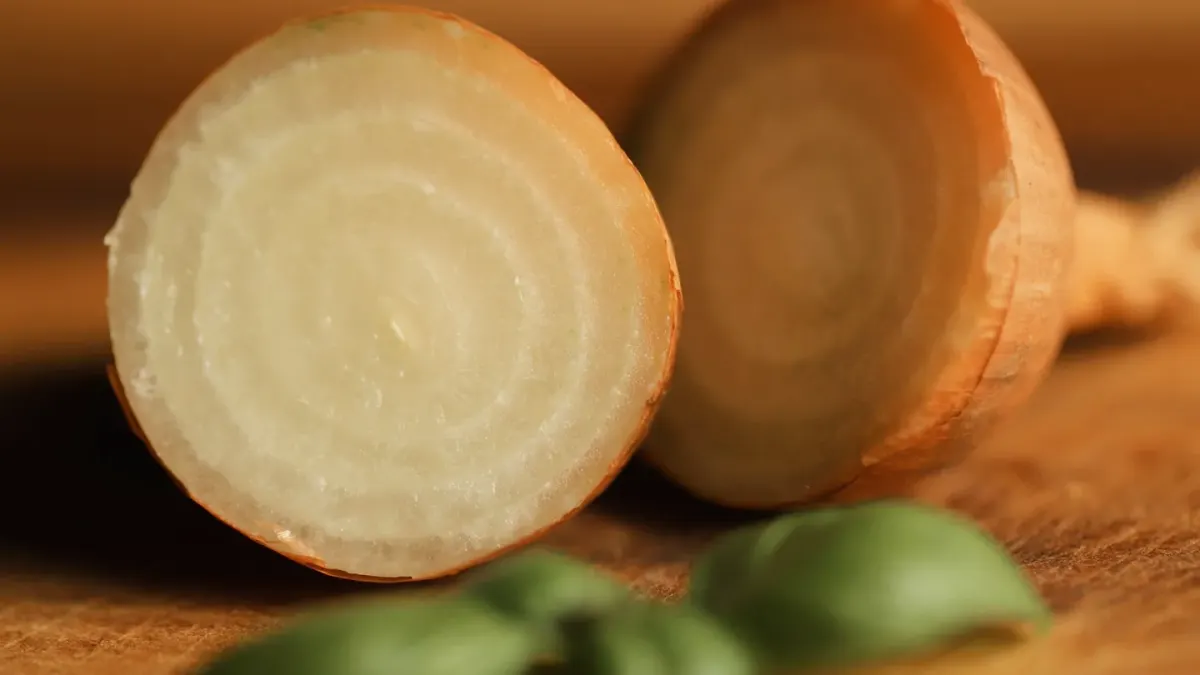
The verdict on onions doesn’t need much hedging: dogs cannot safely eat them, and I don’t say that about many foods. Whether the onion is raw, sautéed into a stew, dried into powder, or hiding in a bouillon cube, the compound responsible for the damage survives the trip to the bowl. As a neurologist, I spend most of my week thinking about nerve conduction and disc disease, not gastroenterology, but the mechanism here is clean enough that it doesn’t require a specialist’s hedge. This is one of the rare places in canine nutrition where the science and the practical advice line up perfectly.
Why the “Just a Little Won’t Hurt” Myth Persists
Part of the confusion comes from dogs who’ve eaten a stray onion ring or a bite of pizza and seemed totally fine the next morning. That’s not evidence of safety — it’s a quirk of the toxin’s timeline. According to the Merck Veterinary Manual, Heinz bodies and methemoglobin levels rise within 24 hours of ingestion, but clinical signs of anemia can take several days to show up. A dog can look bright-eyed at breakfast and be developing pale gums by the weekend. Owners who’ve fed table scraps with onion in them for years without an obvious crisis are, in most cases, just running the odds in their favor rather than proving the food is fine.
Imagine a household where the family dog reliably parks himself under the cutting board at dinner prep, catching whatever drops. Most nights it’s carrot ends or a stray green bean, harmless enough. Then one night it’s a sliver of yellow onion from a soup base, and nobody thinks twice because the dog has eaten “worse” off the floor before. The owner has a real tradeoff here: hover over food prep every single night, or trust a dog who’s never been visibly sick from a dropped onion piece before. I land firmly on the side of hovering, or better, keeping the dog out of the kitchen during prep, because the visible absence of a reaction on any single night tells you almost nothing about the cumulative oxidative load building in those red blood cells.
What Onions Actually Do to a Dog’s Blood
The ASPCA lists the clinical picture plainly: vomiting, breakdown of red blood cells, blood-tinged urine, weakness, elevated heart rate, and panting. Mechanistically, thiosulfate compounds in onion oxidize hemoglobin, forming Heinz bodies — clumps that mark the red blood cell for early destruction by the spleen. Enough damaged cells and a dog develops hemolytic anemia, a genuine emergency where the blood can no longer carry adequate oxygen. I think about it the way I think about any oxidative insult in the body: cells have a buffering capacity, and once you exceed it, the damage isn’t gradual anymore — it’s a cascade.
Puppyhood Through Adulthood: Does the Risk Change With Age?
Puppies aren’t more biochemically vulnerable to allium toxicity than adult dogs, but they’re more likely to be exposed by accident — counter-surfing, sampling dropped food, or getting into a trash can. Adult dogs in households that cook with onion daily face a different kind of risk: repeated small exposures that never individually reach a dangerous single dose but still tax red blood cell turnover over time. Neither pattern is safer than the other; they’re just different doors into the same problem. If you’re building out a dog’s approved treat list, ingredients like sweet potato are a far better place to spend that trust — see our guide to feeding sweet potato safely for prep and portioning that actually holds up across life stages.
Senior Dogs and a Slower Margin for Error
Older dogs, especially those with any underlying kidney disease, anemia, or reduced bone marrow reserve, have less room to absorb an oxidative hit before it becomes clinically obvious. A senior dog already running a borderline red blood cell count doesn’t have to eat much onion before that borderline count becomes a problem. This is where I’d rather owners over-ask than under-ask: any known or suspected onion exposure in a senior dog warrants a same-day call to the vet, not a wait-and-watch approach.
Consider a fourteen-year-old dog recovering steadily from a mild GI upset, back on a bland diet and doing reasonably well, when a well-meaning house guest slips him a piece of onion bagel off their plate. Nothing dramatic happens that evening. But that dog’s marrow reserve is already working overtime, his red blood cell turnover is less forgiving than it was at four, and the oxidative stress from even a modest onion exposure lands on a system with less slack. In an integrative sense, this is where I think about recovery diets the way traditional Chinese veterinary food therapy does — matching bland, easily digested foods to a body that’s already working to restore balance, rather than adding a new burden on top of it. Supporting that gut lining and microbiome during recovery isn’t wasted effort either; a settled gut is part of the resilience you don’t want to spend down unnecessarily. For dogs on a recovery diet with fiber or probiotic support, it’s also worth knowing where the fiber ceiling actually sits so a well-intentioned digestive boost doesn’t backfire.

The Practical Sequence: What To Do If Your Dog Eats Onion
First, figure out roughly how much and what form — a shred of caramelized onion in a burger is a different conversation than a bowl of French onion soup. Second, call your veterinarian or the ASPCA Animal Poison Control Center rather than watching and waiting; induced vomiting or activated charcoal is far more useful in the first couple of hours than after signs appear. Third, if your vet recommends monitoring at home, watch for pale or yellow-tinged gums, dark urine, lethargy, or rapid breathing over the following three to five days, since that’s the window in which anemia typically becomes apparent. Fourth, once your dog is cleared, keep future prep simple: store alliums somewhere a nose can’t reach, double-check pre-made broths and baby food (a common hidden source), and steer treat time toward ingredients you already know are dog-safe. If you’re rebuilding a gut-friendly routine afterward, our note on right-sizing probiotic chews is a reasonable next stop.
I don’t reach for absolutes often in this field — most nutrition questions genuinely are shades of gray. Onions aren’t one of them. The mechanism is well-documented, the timeline is well-documented, and the margin for a “safe” dose is thin enough that it isn’t worth testing on a dog you’re trying to keep healthy for the long run.
Frequently asked questions
How much onion is dangerous for a dog?
Toxicologists generally point to roughly 0.5% of a dog's body weight in onion as a threshold for serious toxicosis, though smaller amounts eaten repeatedly can also cause cumulative red blood cell damage. There isn't a dose low enough to consider routinely safe, according to the Merck Veterinary Manual.
Is cooked onion safer than raw onion for dogs?
No. Cooking, dehydrating, or powdering onion does not destroy the thiosulfates responsible for the toxicity — powder is actually more concentrated by weight.
My dog ate a small piece of onion from a dropped plate. What now?
Call your veterinarian or the ASPCA Animal Poison Control Center right away rather than waiting for symptoms, since Heinz body changes can begin within 24 hours while outward signs may not appear for several days.
Are garlic, leeks, and chives just as bad?
They're all in the same allium family and work through the same mechanism. Garlic is generally considered more potent gram-for-gram than onion, per the Merck Veterinary Manual.
Sources
- Toxic and Non-Toxic Plants: Onion — ASPCA
- Garlic and Onion (Allium spp) Toxicosis in Animals — Merck Veterinary Manual