On this page
The first time a client called me about a tomato, it wasn’t the fruit that worried her — it was the whole plant. She’d found her four-year-old cattle dog mix standing in a flattened row of Early Girls, a mouthful of stem still hanging out one side of his jaw, three green tomatoes missing from the vine and, as far as she could reconstruct it, at least one leafy branch chewed clean through. She’d read enough online in the ten minutes before she called to be convinced she was watching for seizures. What she actually needed to watch for, and what I told her, turned out to be a much shorter list, and a much calmer one.
That gap — between garden panic and garden reality — is where most tomato questions live. Dogs get into tomato plants constantly, because tomato plants sit at nose height in backyards all summer, and because a ripe tomato smells like food to a dog for the same reason it smells like food to us. The honest, verdict-first answer is that ripe tomato flesh, in small quantities, is not considered toxic to dogs, and that most tomato scares owners bring to a clinic resolve without incident. But that answer only holds because it’s specific. It is not a blanket clearance for the tomato plant, and conflating the two is where I see owners either overreact to a stolen cherry tomato or underreact to a dog that just stripped half a vine.
What’s Actually in the Plant, Not Just the Fruit
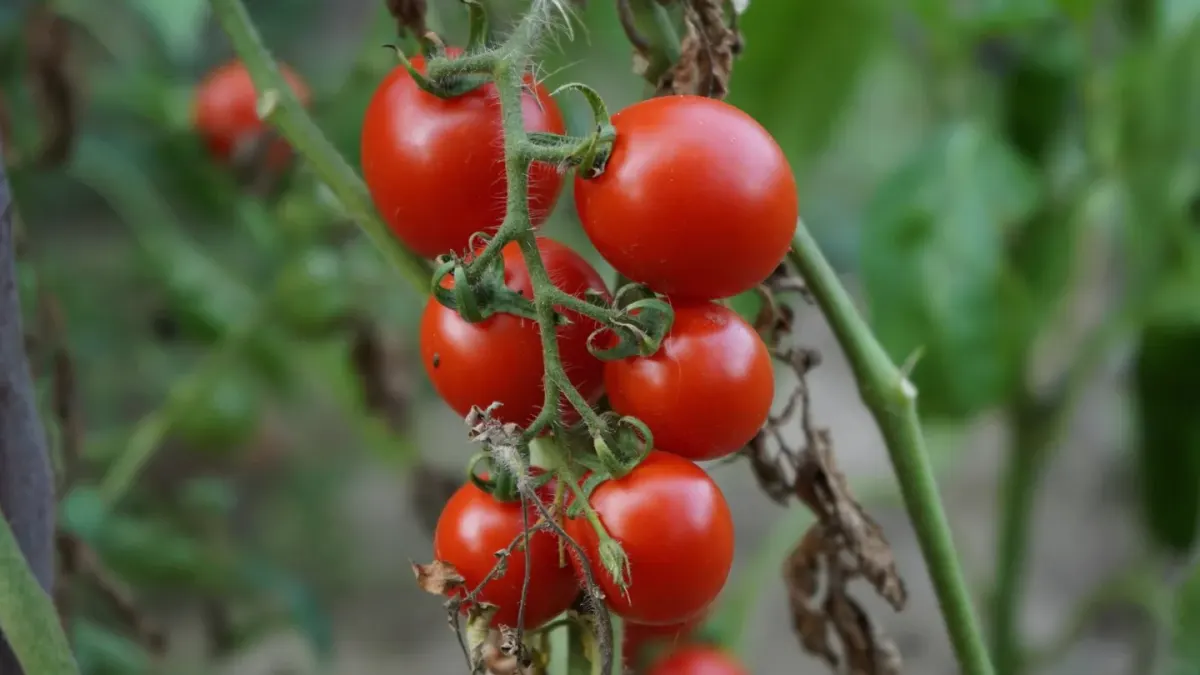
Solanine and its close relative tomatine are the compounds behind essentially every tomato-and-dogs warning you’ll read, and they are not distributed evenly across the plant. Pet Poison Helpline lists the tomato plant as toxic precisely because those alkaloids concentrate in the leaves, stems, and vines — well above what you’d find even in an unripe tomato, and far above a ripe one. As the fruit matures and reddens, tomatine content drops. That’s the mechanism worth remembering, because it reframes the whole question: this was never really about “tomatoes.” It’s about which part of the plant, and how ripe.
I find it useful to walk owners through this the way I’d walk through any structure-function question in the exam room — not “is this dangerous,” but “how does this compound behave, and where does it concentrate.” A dog that eats a slice of ripe tomato off a cutting board is behaving in a fundamentally different exposure category than a dog that spends twenty unsupervised minutes in a tomato bed. Same plant family, same alkaloid, very different dose.
The Myth Versus the More Boring Reality
The myth that circulates online is that tomato is a blanket no for dogs, full stop, on par with grapes or chocolate. That’s an overcorrection. The American Kennel Club is direct about it: ripe tomato fruit can be offered in moderation as an occasional treat, though plenty of dogs simply don’t care for the taste or texture and some develop mild stomach upset regardless of ripeness. That’s the less dramatic, more accurate picture — not a hidden toxin lurking in your salad, but a food that’s fine in small amounts for most dogs, unnecessary as a diet staple, and genuinely risky only at its greenest and leafiest.
Where the myth does real damage is in the other direction, too. Because owners hear “tomatoes are basically fine,” some don’t think twice about a dog working through a whole vine, and that’s the scenario where tomatine exposure adds up. I’d rather an owner overestimate the garden risk and underestimate the kitchen-counter risk than the reverse.
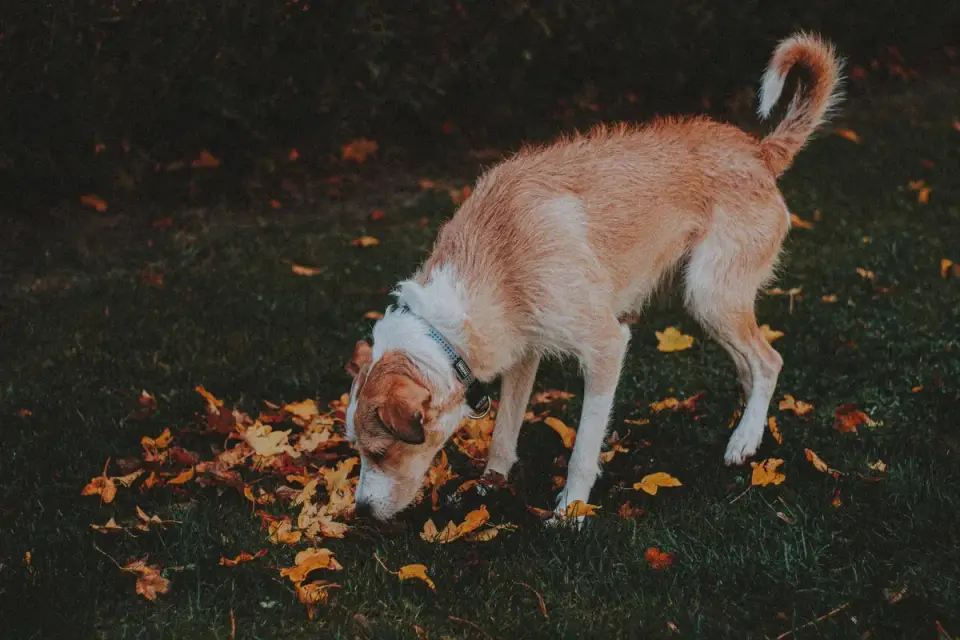
Some of the most consistent worry I hear from clients tracks a pattern I’ve also seen echoed across dog-owner forums and veterinary social feeds: it’s rarely the deliberate feeding that causes a problem, it’s the unsupervised backyard hour. A young, food-motivated dog left alone near a productive tomato patch in August, when the vines are heavy and low, will often self-select the greenest, most accessible fruit simply because it’s within reach — not because it smells better than a ripe one. If your dog free-ranges in a yard with a vegetable garden, that access, more than the fruit on your cutting board, is the variable worth managing.
Reading the Label on Sauce, Ketchup, and Leftovers
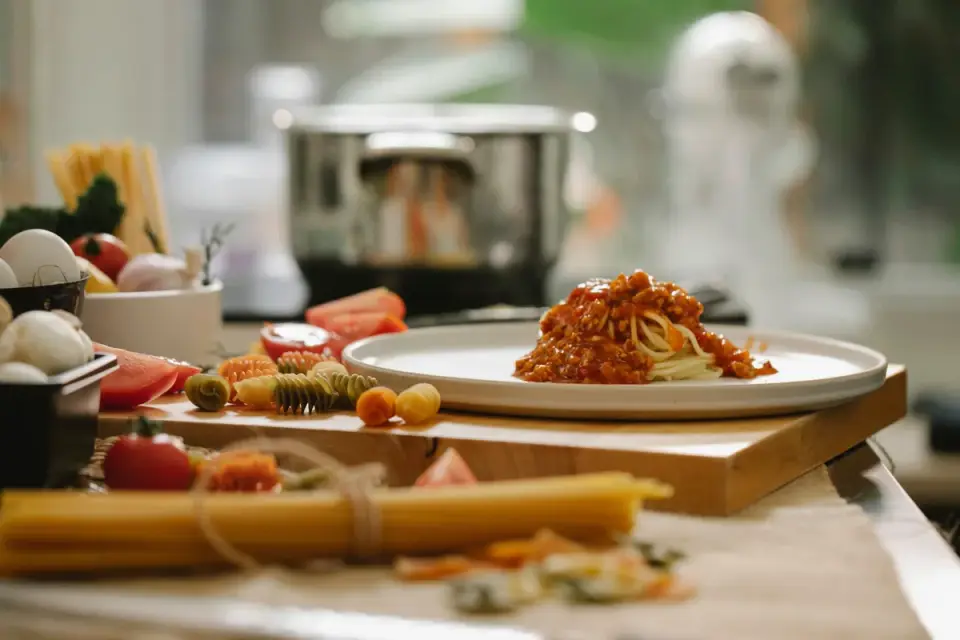
A plain ripe tomato and a spoonful of marinara are not the same food, and I’d argue the sauce is the more common real-world risk. Tomato sauces, salsas, and ketchup are routinely built on onion and garlic, both of which carry their own well-documented risk to dogs independent of the tomato, plus added salt and sometimes sugar. When a client tells me their dog “ate tomato” off a dinner plate, my first question isn’t about the tomato — it’s what else was in the dish. Treat “was there tomato” and “was there also onion, garlic, or heavy seasoning” as two separate questions, because they call for two separate answers.
A Practical Sequence, Not a Panic Sequence
If your dog eats a small amount of ripe tomato: monitor, and don’t be surprised by mild, self-limiting stomach upset in a dog that isn’t used to it. If your dog eats green tomatoes, stems, or leaves in any quantity beyond an incidental nibble: watch closely over the next several hours for vomiting, diarrhea, drooling, lethargy, or weakness, and call your veterinarian if those appear or if the amount eaten was substantial. If your dog develops disorientation, tremors, or a change in heart rate after plant exposure — signs that go beyond garden-variety GI upset — that’s not a wait-and-watch situation; that’s an exam-room or emergency-line call, the same way I’d triage any acute neurologic sign in practice.
For dogs prone to a sensitive stomach after any dietary surprise, the same general principles that apply to other GI-upsetting produce apply here: bland, familiar food, close monitoring of stool and appetite, and a slower reintroduction of normal meals. If you’re navigating a dog with a chronically touchy gut, it’s worth reading how we approach sweet potato as a lower-risk alternative treat, and understanding where the fiber ceiling sits before you lean on any single vegetable as a regular add-in.
The Bottom Line
Ripe tomato, plain and in moderation, is a reasonable occasional bite for most dogs. The plant it grew on is not interchangeable with the fruit on your plate, and treating them as the same food is the single most common error I see owners make. If your household grows tomatoes and your dog has yard access, the more useful project isn’t memorizing every symptom of tomatine exposure — it’s putting a barrier between your dog and the vine before ripeness ever becomes the question. That’s a smaller ask than it sounds, and it’s the one piece of this that’s fully within your control.
Frequently asked questions
Can dogs eat cherry tomatoes?
Ripe cherry tomatoes carry the same low-risk profile as larger ripe tomatoes — the concern is ripeness and quantity, not the size of the fruit. Cut them in half for small dogs to reduce choking risk.
Is tomato sauce or ketchup safe for dogs?
Usually not a good idea. Sauces and ketchup are frequently cooked down with onion, garlic, added salt, or sugar, any of which can cause problems independent of the tomato itself. Plain, unseasoned ripe tomato is the safer comparison point, not the jarred product.
My dog ate a green tomato off the vine — how worried should I be?
A single bite of one green tomato is unlikely to cause more than a mild stomach upset in most dogs, but call your veterinarian or an animal poison control line if your dog ate a large quantity, ate leaves or stems along with it, or is showing vomiting, diarrhea, weakness, or unusual lethargy.
Are tomato plants in my garden a hazard I should fence off?
If you have a dog that grazes in the yard, yes — the leaves, stems, and vines carry the highest concentration of the plant's tomatine, well above what's in even an unripe fruit, so restricting access to the tomato bed is a more reliable safeguard than hoping your dog leaves it alone.
Sources
- Tomatoes for Dogs: What's Safe and What's Not — American Kennel Club
- Tomato Is Toxic To Dogs — Pet Poison Helpline