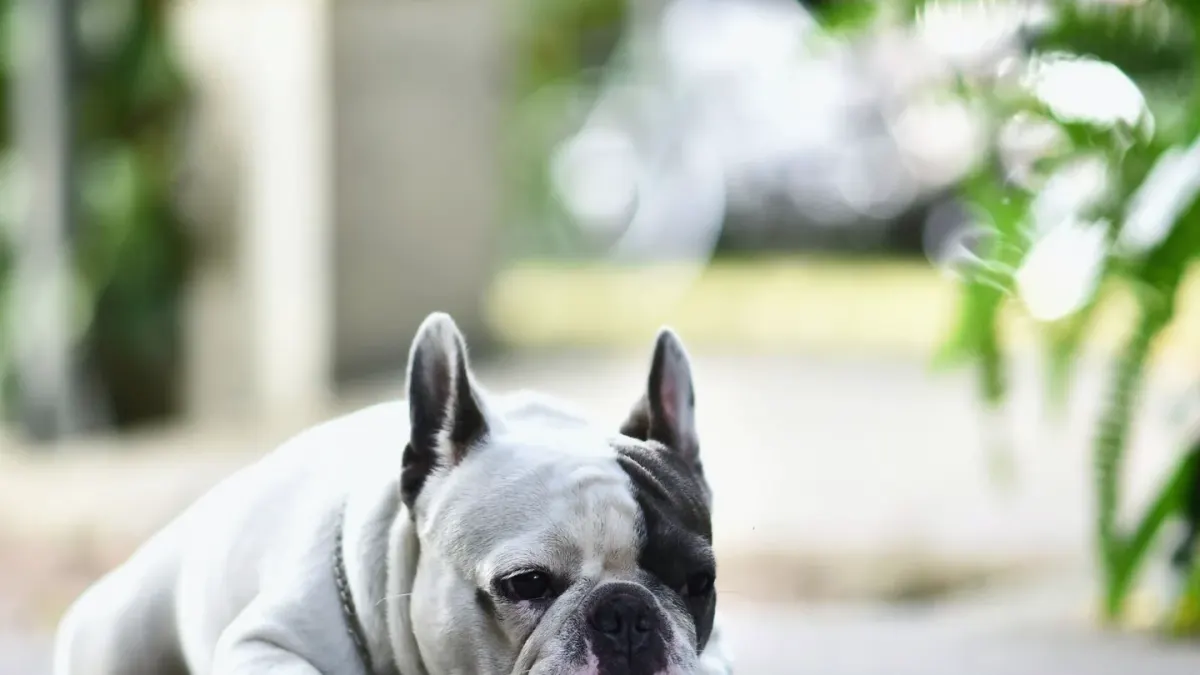
Carolyn noticed Sammy, her 14-year-old Doberman Pinscher, circling the rug in Colorado Springs at 2 a.m. for the third night in a row, panting softly before lying down and getting right back up. Vets often see that pattern in older dogs — stiff joints, light sleep, and a nervous system that struggles to downshift — and touch is one of the first tools owners ask about.
My call is this: gentle massage may help support maintaining relaxation and ease around rest, especially when restlessness comes from stiffness and tension rather than pain, fear, or medical urgency.
That is a narrow lane on purpose.
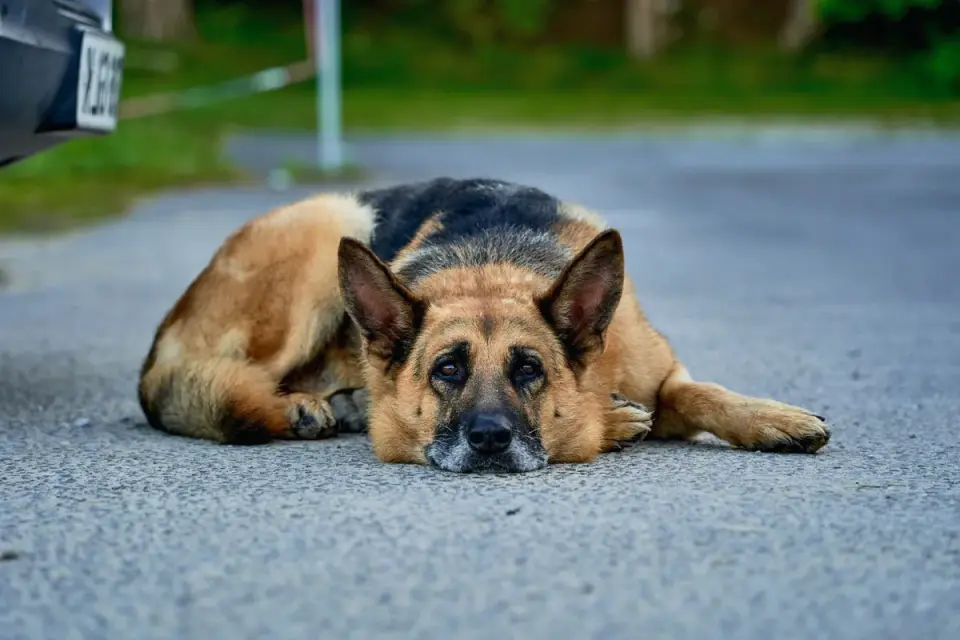
Where hands help, and where they hit a ceiling
Massage does not retrain the brain or replace workups for cognitive change, nighttime panting, new limping, or house-soiling. What it can do is simpler to defend in structure/function terms: warm skin contact, slow strokes, and rhythmic pressure may help support maintaining local circulation, joint range awareness, and a calmer transition from standing to lying down.
Rehabilitation summaries from American Veterinary Medical Association describe massage as part of physical support for comfort, flexibility, and body awareness, not as a cure for disease. The American Animal Hospital Association frames basic home massage the same way — light, observant touch to support bonding and relaxation while watching for sore spots.
Touch is information before it is treatment.
Myth against reality: pressure does not equal progress
The myth is that deeper pressure works faster, particularly over the hips, lower back, and shoulders where senior dogs carry stiffness. The reality is that older muscles, thin skin, arthritic joints, and possible lumps make heavy pressure counterproductive.
I prioritize broad, flat-hand contact over fingertips, short sessions over long ones, and breathing over forcing stillness. Effleurage along the neck, shoulder, ribcage, and thigh, followed by quiet rest beside the dog, may help support maintaining a relaxed posture without testing sore joints. In TCVM language, we are settling excess tension so normal rest can return; in rehab language, we are supporting neuromuscular calm and comfortable recumbency.
Watch the dog, not the clock. Soft eyes, slower breathing, a sigh, or choosing to lie on one hip usually means continue. Lip licking, freezing, moving away, skin twitching, or guarding means stop that area.
A bedtime sequence that respects an aging body
Start with medical clearance when restlessness is new, worse, painful, or paired with appetite change, panting, pacing, vocalizing, or falls. For related nighttime support, owners often read about Dog Anxiety Supplements: What the Evidence Actually Supports and Melatonin for Dogs: What the Hormone Actually Does, and Where Owners Push It Too Far before layering anything new.
Then keep massage brief and repeatable: five to eight minutes on a non-slip bed, after a short potty walk and before lights-out. Work neck to shoulder to ribs to hips in one direction, always toward the heart, with pressure light enough to move skin without pressing into bone. Skip swollen joints, hot spots, wounds, lumps, the belly of a tense dog, and any leg the dog will not offer.
Pair the sequence with footing, warmth, and predictability — a low orthopedic bed, a late-evening potty break, dim light, and the same order every night. Dogs with storm sensitivity or veterinary fear may also benefit from daytime preparation described in How to Prepare Your Dog for a Vet Visit to Reduce Fear.
If three to five calm evenings do not make nights easier, or if restlessness increases, ask for a senior workup rather than pressing harder with hands.
Looking ahead, think of massage as maintenance for comfort and connection — one small routine that may help support maintaining easier rest while you and your veterinarian address the larger reasons an old dog cannot settle.
Frequently asked questions
How long should a calming massage last for a senior dog?
Keep it short, usually five to eight minutes on a soft, non-slip surface. End while the dog is still relaxed and stop sooner if the dog moves away, tenses, or guards any area.
When should restlessness get a vet visit instead of massage?
Seek prompt care for new or worsening nighttime pacing, panting, vocalizing, limping, falls, appetite change, or house-soiling. Those signs can reflect pain, cognitive change, or medical disease that touch alone cannot address.
Sources
- Pain Management for Pets — American Veterinary Medical Association