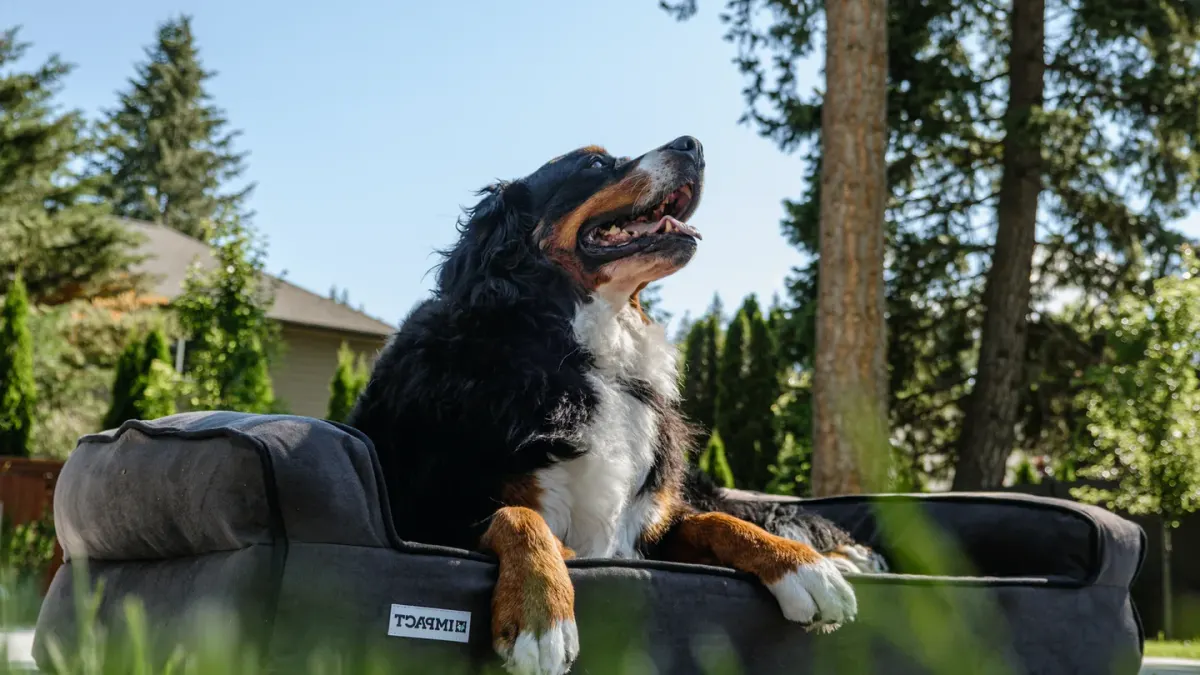
Mental enrichment toys may help support calmer behavior in some anxious dogs, but they work through redirection and routine rather than resolving fear itself. That distinction shapes every recommendation below.
In conventional terms, anxiety involves sustained arousal of the sympathetic system, hypervigilance, and learned avoidance. In TCVM framing, I also watch for Shen disturbance — restlessness, poor settle, startling easily — sitting comfortably beside that conventional workup. A snuffle mat does not steady Shen directly. It gives the nose and forebrain a job, which may help support a shift toward parasympathetic settle after the task ends.
A 4-year-old, 48-pound mixed-breed dog began pacing and whining for 40 minutes every evening after his family moved to an apartment. His owner worried about separation distress, but the pattern pointed more to under-occupation plus evening arousal. We kept his walks the same and added a 12-minute frozen lick mat followed by a short sniff game three weeks in a row. By day 10, his pacing window had shortened to under 10 minutes and he chose his bed without prompting. The decision was not toy versus drug. It was matching a mild, predictable restlessness pattern with a calming routine first, while screening for pain, noise sensitivity, and true panic.
The ceiling no packaging mentions
Enrichment lowers the opportunity for anxious rehearsal. It does not teach a dog that a thunderstorm, departure, or stranger is safe.
That is the surprising limitation. Puzzle feeders, scatter feeding, and chew tasks increase foraging time, reduce idle vigilance, and may help support normal activity patterns during alone time. For mild boredom-linked whining, evening restlessness, or attention-seeking, that change is often enough for owners to notice. For panic, escape attempts, trembling, drooling, self-injury, or persistent avoidance, a toy alone leaves the underlying learning and physiology untouched.
My strongest counterargument comes from owners who say enrichment made things worse. They are sometimes right.
A 6-year-old, 22-pound terrier with departure distress received a stuffed puzzle toy only at exit. For three weeks the owner filmed her. She ignored the toy by day 4, drooled at the door, and scratched trim. The tradeoff was clear: the high-value puzzle had become a departure cue, raising arousal rather than lowering it. We stopped exit-only puzzles, shifted enrichment to neutral times, and rebuilt departures through desensitization and veterinary behavior care. For remaining species outside well-studied models, the broader lesson holds that evidence is derived mainly from preclinical studies or traditional use, a point made explicitly in a Biomedicines review, and enrichment for canine panic sits in that same thin-evidence zone where clinical judgment must carry more weight.
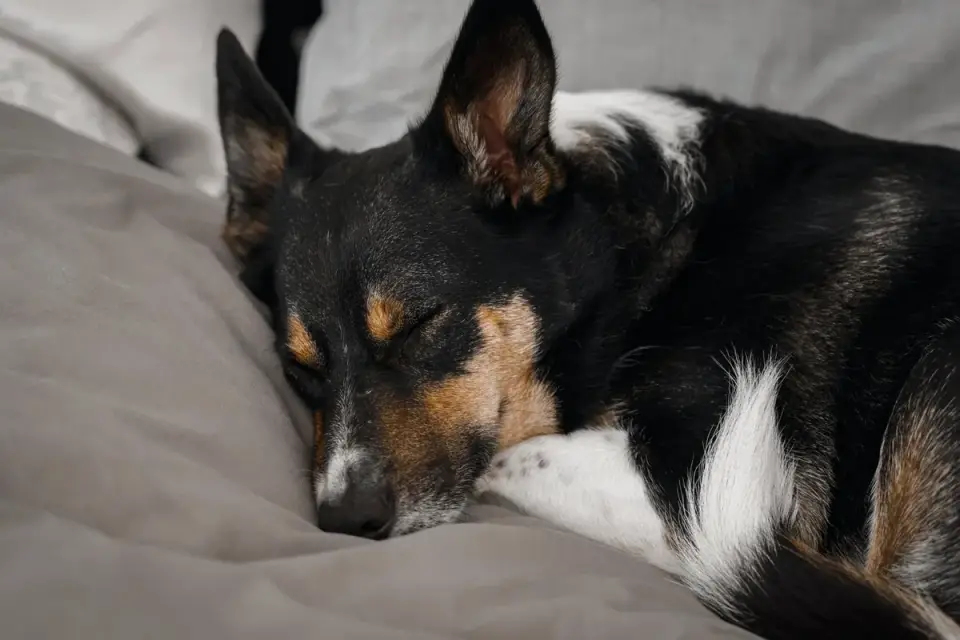
Expectations stay realistic.
Myth versus reality: busy mouth, calm mind?
Myth: a tired brain equals a treated anxiety disorder. Reality: mental work changes state for minutes to hours. It does not rewrite a fear memory.
Mechanism matters here. Licking, chewing, sniffing, and dissecting food puzzles engage rhythmic oral behavior and olfactory processing, which many clinicians observe alongside slower breathing and disengagement from scanning. That may help support relaxation as part of a wind-down sequence, particularly for dogs with generalized restlessness. What it cannot do is create safety learning. Only graded exposure, predictable routine, sleep, pain control, and, when indicated, anxiolytic medication change the threat prediction.
I still land on a clear recommendation: use enrichment as daily foundation, not as rescue. Offer one predictable calming task in the evening and one independent foraging task during the day, then judge by settle latency, sleep, and recovery after triggers — not by how furiously the dog works the toy.
Dogs that guard food, swallow fabric, or escalate frustration need a different plan. For resource guarding, stop bowl-based puzzles and use scatter or distance games only under guidance. For dogs that chew and ingest, choose solid rubber or supervised lick tasks.
Learn the broader supplement context in Dog Anxiety Supplements: What the Evidence Actually Supports and the chew-specific limits in Dog Calming Chews: What the Evidence Actually Supports. For clinic-related fear, the routine in How to Prepare Your Dog for a Vet Visit to Reduce Fear pairs well with at-home settle work.
A practical sequence that respects both medicines
Start with medical clarity. Rule out pain, gastrointestinal discomfort, urinary urgency, cognitive change in seniors, and thyroid or neurologic contributors when signs are new or escalating. In whole-patient terms, a dog cannot settle when Blood or Qi is constrained by discomfort, and no puzzle overrides that.
Then layer in this order: predictable exercise and sleep, two brief enrichment windows at neutral times, a consistent settle location, then trigger-specific training. Keep sessions short. A snuffle session of 5 to 10 minutes beats a 45-minute frustration puzzle. Rotate two or three options to prevent habituation. Film twice weekly.
An 11-year-old, 35-pound senior dog showed nighttime lip-licking and following behavior that looked like anxiety. Pain screening found hind-end stiffness, and late-day puzzles were increasing frustration because she tired by evening. Moving gentle sniff walks to morning, adding a midday lick mat, and protecting an 8 p.m. lights-low rest period changed her pattern within two weeks. By day 14 she slept through two prior wake windows. The edge case reframes the rule: for seniors, less evening demand and more daytime occupation supports calm better than another challenging toy.
If signs include panic, aggression, or no improvement after two to three weeks of consistent routine and training, seek veterinary behavior care promptly rather than adding more toys.
Frequently asked questions
Do puzzle toys help separation anxiety?
They may help support calm routine in mild cases, but dogs with panic, escape behavior, or self-injury need desensitization and veterinary care, not toys alone.
Are lick mats or snuffle mats better for anxious dogs?
Lick mats often suit evening wind-down and snuffle mats suit daytime foraging; choose based on frustration level, guarding history, and whether the dog swallows nonfood material.
How long should enrichment last?
Most dogs do best with 5 to 15 minutes per session, once or twice daily at neutral times, judged by faster settle and better sleep rather than time spent working.