On this page
Massage will not rebuild an arthritic joint, but it may help support the muscle and soft tissue around it so an older dog moves with less stiffness. Food-first, steady meals that help maintain muscle and cartilage structure do the heavy work over time, while hands-on work helps maintain how that structure moves day to day. That distinction matters because laboratory work on joint ingredients found they could only “prevent experimentally induced cartilage degradation in vitro,” as reported in the Journal of Veterinary Medical Science, which still leaves daily comfort to movement, warmth, and muscle care.
The choice got concrete with a lanky senior shepherd mix who stiffened after naps on a cold living-room rug. Her owner wanted longer evening walks to hold muscle, but the dog planted her front feet and looked away after about 60 feet toward the neighbor mailbox. We shelved the longer walk and added warm hands, slow shoulder circles, and long back strokes before the short potty outing. Within days she covered that same 60 feet without planting, then sniffed another 20 feet past the mailbox before choosing to turn home.
What massage cannot do for an old joint
Think contrast, not cure. Cartilage, synovial fluid, and bone shape set the limit of the joint. No amount of rubbing changes osteophytes or restores lost cartilage in a senior hip or elbow. What light massage may help support is the surrounding system: tight hamstrings, a guarded back, and sluggish circulation after rest that make the first steps look worse than the joint alone.
Pressure should invite a sigh, not a flinch.
This is also where general massage guidance translates across species. The National Center for Complementary and Integrative Health notes massage involves pressing and moving soft tissue to support comfort and function, not to remodel structure. For dogs, keep that frame: support muscle comfort, help maintain range of motion, and leave diagnosis to the exam room. For background on stiff-dog nutrition that pairs with hands-on care, see Dog Hip and Joint Supplements: What Actually Helps a Stiff, Aging Dog Move Better.
Myth: deeper means better for senior stiffness
The myth says press hard on the sore hip to work out arthritis. Reality says senior muscle bruises easily, and guarding is information. Hard thumbs over a painful lumbar spine or an inflamed knee often increase splinting and panting, which defeats support for relaxed movement.
The tradeoff showed up with a stocky brindle pit bull-type who grumbled when rising from a low couch. Trying to help, the owner dug thumbs hard along the lower back for most of an evening, hoping deeper meant better support for tight muscle. The dog left the rug, panted through the night, and refused the next morning rub. We reset to feather-light effleurage for only a few breaths per spot, watching for soft blinks and sighs. After three calm nights in a row without panting, the dog started leaning into the shoulder strokes instead of walking away.
Use structure-and-function cues instead of force. Flat palms distribute load over broad muscle bellies. Fingertips trace, never poke, near bony points like elbows, hips, and the spine. If the dog licks lips, shifts weight away, pins ears, or holds breath, lighten or move on. Comfort behaviors — slow blink, sigh, soft lean, weight settling — mean that pressure helps maintain ease in that spot. For nighttime stiffness patterns, owners often pair this check with ideas in Glucosamine for a Dog Struggling with Stairs at Night.
The 10-minute sequence to give at home
Set up for success. Choose a non-slip rug after a potty break, when the dog is warm but not panting. Sit beside, not over, the dog. Warm your hands. Keep nails short. Aim for calm breathing from both of you.
Do this order:
- Settle with contact. Rest one warm palm on the chest and one on the shoulder for several breaths. Let weight settle before movement.
- Neck and shoulders. Glide flat fingers from behind the ears toward the shoulders, following hair direction. Make slow circles in the thick muscle beside the neck, never on the trachea.
- Front legs. Support the elbow with one hand. With the other, stroke down the triceps and forearm toward the paw, then back up. Skip pulling or extending a sore elbow.
- Back. Place palms on either side of the spine and effleurage from ribs toward hips. Stay off spinous processes. Light compression that helps maintain circulation beats pinpoint pressure.
- Hips and thighs. Cup the large muscles in front of and behind the femur. Use slow kneading, like lifting bread dough, for three to four passes per side if the dog stays soft.
- Hind legs down. Stroke lightly toward the hock, then release. Avoid twisting the knee or forcing flexion in a stiff stifle.
- Close. Return to chest contact until breathing slows.
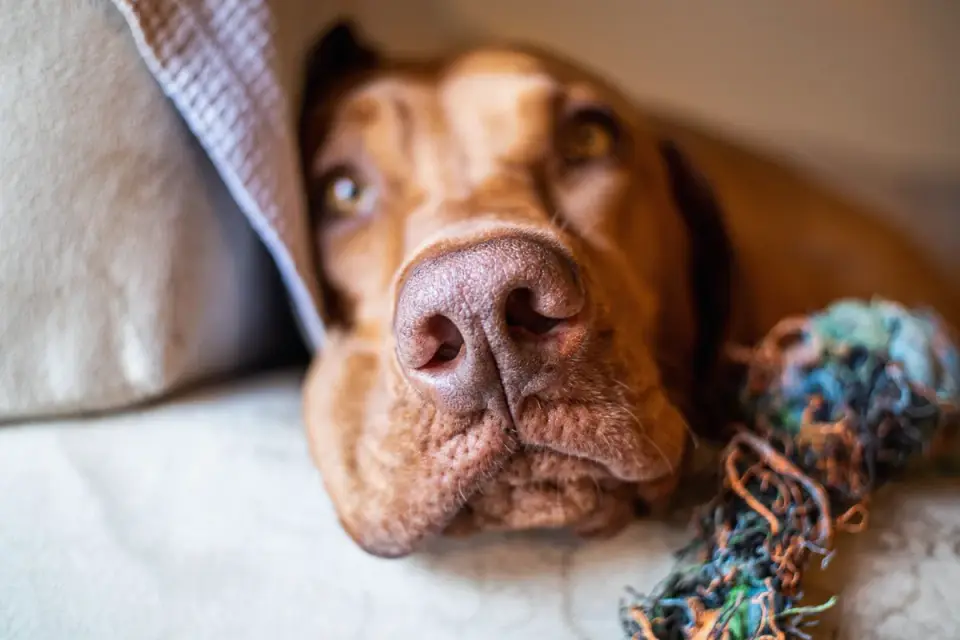
Total time stays short on purpose. Stop early when the dog relaxes. For help deciding whether nutrition support fits alongside movement care, review Best Joint Supplement for Dogs: A Verdict-First Buying Guide.
When the usual routine has to bend
My call stays firm for typical age-related stiffness: light, short, and structure-based massage to help maintain muscle comfort. That same routine is the wrong call with heat, acute swelling, a fresh injury, unexplained crying, fever, skin infection, an undiagnosed lump, bleeding risk, or within days of surgery without surgeon clearance. Skip the sore leg entirely in those cases and call your clinic for guidance.
Sometimes the standard sequence has to bend, like with a low, long dachshund built close to the ground who carried 68 pounds on a frame meant for far less. His belly hung low, his elbows turned out, and direct pressure over the shoulders made him lip-lick and shift away. Instead of the usual leg circles, we stayed on the chest, neck, and the muscles beside the spine, using flat-palm warmth to help maintain circulation without loading sore joints. He settled with a long sigh, and the owner booked a weight and gait check instead of pushing more hands-on work.
Book the next practical step now: try one calm session tonight, note which two spots earned a sigh, and share those notes plus video of rising and stair turns at the next senior exam.
Frequently asked questions
How often can I massage my senior dog?
Most stiff seniors do best with short daily sessions of several minutes rather than one long weekly session, stopping when the dog relaxes or moves away.
Should massage hurt or make my dog yelp?
No. Yelping, snapping, holding breath, or moving away means pressure was too much or the spot needs a vet check instead of more pressure.
What oil or lotion should I use?
Dry hands on clean, dry coat are safest for seniors. Skip essential oils and heating rubs unless your veterinarian directs otherwise.
Sources
- A review of the clinical efficacy and adverse effects of disease modifying osteoarthritic drugs (DMOADs) in dogs with special focus on glucosamine and pentosan polysulfate; do they work? — Journal of Veterinary Medical Science
- Massage Therapy: What You Need To Know — National Center for Complementary and Integrative Health