
On this page
The mistake most new puppy owners make before the car even starts
Here’s the call: a puppy’s first trip is decided before the engine turns over, not during the drive. Owners spend their energy picking a route, a hotel, a leash color — and skip the two things that actually determine whether the trip goes well: whether the puppy is old enough to be exposed to new environments safely, and whether the puppy is physically restrained the same way an adult dog would be. Get those two right and the rest is logistics. Get them wrong and no amount of snacks or squeaky toys fixes it.
Myth: a tired puppy is a good travel passenger
A lot of owners try to wear a puppy out before a drive, on the theory that a sleepy puppy travels quietly. It sometimes works for an hour. It does nothing for the two variables that actually cause bad trips — an undervaccinated immune system and an unrestrained body in a moving vehicle — and it can backfire if the extra exercise happens in a dog park or pet store the puppy has no business visiting yet.
What the vaccine timeline actually allows
This is the question I get asked most, and it’s the one owners get the vaguest answers to. Puppies typically start their core vaccine series around 6 to 8 weeks old and continue with boosters roughly every two to four weeks until 16 weeks or later, per the American Animal Hospital Association: AAHA canine vaccination guidance. A puppy isn’t considered protected against the diseases that matter most for travel — parvovirus and distemper chief among them — until that series is finished, and immunity needs another week or two to fully kick in after the last dose.
That doesn’t mean a young puppy can’t go anywhere. It means the type of trip matters. A car ride to a relative’s house, where the puppy stays inside and off strange ground, is a different risk profile than a stop at a dog park, a pet-friendly brewery patio, or a busy trailhead where unknown dogs have been. If your itinerary includes any of the latter, talk to your veterinarian about where your puppy’s series stands before you book anything.
I had a client bring in a 10-week-old Cavalier puppy named Biscuit two days before a planned trip to a lake house three hours away. The owners had already booked a pet-friendly cabin with a fenced yard that had housed a rotating cast of guest dogs all summer. Biscuit was only two vaccine visits into her series. We didn’t cancel the trip — we changed the plan. She traveled in her crate, stayed on the deck and inside the cabin instead of the shared yard, and skipped the lakeside dog beach entirely. The owners were disappointed for about a day. Nobody was disappointed when she came home healthy.
Crate, harness, or lap: the restraint debate, settled
Owners debate this like it’s a matter of preference. It isn’t. It’s unsafe for pets to ride loose inside a moving vehicle, and the safest setup is a properly sized crate, carrier, or crash-tested harness secured in the back seat, according to the American Veterinary Medical Association. A crate should be large enough for the puppy to stand, turn around, and lie down, and it should be positioned as close to the center of the vehicle as possible and secured so it can’t slide or tip during braking.
A lap is not a restraint system. Neither is a standard walking harness clipped to nothing. If you’re driving with a puppy who hasn’t yet learned to settle in a crate, that training happens at home in short sessions well before travel day — not for the first time on the highway.
If your puppy fights the crate
Start with five-minute sessions in a stationary parked car, treats inside the crate, door open at first. Extend the sessions over several days before you attempt a real trip. A familiar blanket or toy in the crate helps more than most owners expect.
Motion sickness isn’t a behavior problem
Puppies vomit in cars more often than adult dogs do, and it’s a physical issue, not a training failure. The balance structures in a young dog’s inner ear aren’t fully developed yet, and most puppies grow out of true motion sickness by around a year old, according to VCA Animal Hospitals. Punishing a carsick puppy or forcing longer drives to “get them used to it” tends to build a fear association on top of a physical problem, which is a worse outcome than the vomiting itself.
For puppies with a real history of carsickness, ask your veterinarian about maropitant, sold as Cerenia, which targets the vomiting center in the brain rather than sedating the dog. It’s given a couple of hours before travel and is not approved for puppies under 16 weeks old for motion-sickness dosing, per the American Kennel Club: AKC. This is a prescription conversation, not a glovebox default — don’t dose a puppy without your vet weighing in on age and weight first.
The first 72 hours at the destination
New water, new food smells, new stress hormones — a puppy’s gut notices all of it before the owner does. This is where I see the most avoidable emergency visits after a trip, and almost all of them are digestive, not infectious.
Keep the puppy’s regular food on hand rather than relying on whatever the destination has stocked, and introduce any new treats slowly. If you’re layering in something like sweet potato as a travel-friendly, easy-to-portion treat, cook it plain and watch the amount — a change in fiber load is one of the more common reasons a puppy’s stool changes shape on a trip, and it doesn’t take much to push past what a young gut handles well, a threshold covered in more detail in this fiber ceiling breakdown. Some owners pack a travel-sized probiotic chew as insurance against the stress-and-diet-change combination; if you’re comparing options, this look at probiotic chew cost per serving is a useful starting point, though a probiotic is support, not a substitute for keeping the diet consistent in the first place.
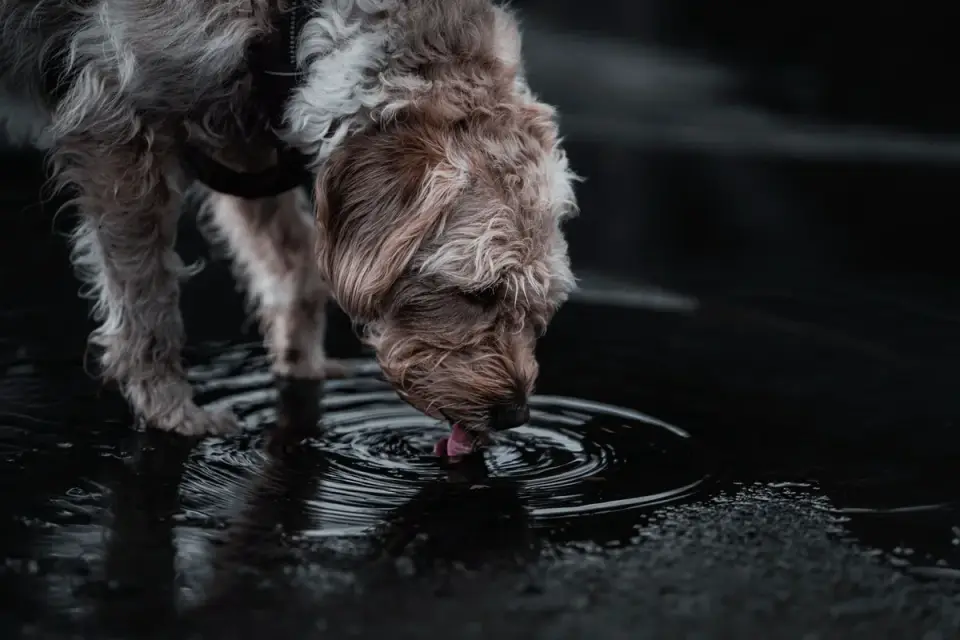
A short walk in a quiet, low-traffic area — not the busiest patch of grass at a rest stop — is usually a better first outing than a long one in an unfamiliar dog-heavy space, especially before the vaccine series is complete.
Flying instead of driving
If the trip involves an airline instead of a car seat, the restraint and vaccine timing questions above still apply, but airline-specific carrier sizing, cabin-versus-cargo decisions, and paperwork are their own layer of planning — I’ve laid that out separately in How to Fly With a Dog: The Complete Guide for owners weighing that option instead.
The owners I see most often underestimate how much a puppy’s first flight or first long drive shapes how that dog feels about travel for the rest of its life. A bad first experience — vomiting, panic in an unfamiliar crate, an unrestrained slide across the back seat during hard braking — tends to stick. A boring, well-restrained, well-timed first trip is the goal, not a memorable one.
The bottom line
A puppy’s first trip succeeds or fails on preparation most owners skip: knowing where the puppy actually stands in its vaccine series, using real restraint instead of a lap or an open crate door, and recognizing that carsickness is physiology, not defiance. Handle those three, and the destination is the easy part.
Frequently asked questions
How old does a puppy need to be before its first trip?
There's no single cutoff, but most veterinarians want to see the core vaccine series well underway, ideally close to finished, before a puppy is exposed to new environments with unknown dogs. A quiet car trip that avoids dog parks and pet stores carries less risk than one that includes them, even in a young puppy.
Is it okay to let a puppy ride on someone's lap in the car?
No. The safest setup is a properly sized crate, carrier, or crash-tested harness secured in the back seat — a lap offers no protection during sudden stops or an accident.
My puppy throws up every car ride — is that normal?
It's common in young dogs because the inner ear's balance structures aren't fully developed yet, and most puppies outgrow it by around a year old. If it's frequent or severe, ask your veterinarian about options rather than assuming the puppy will train out of it on its own.
Sources
- Traveling with your dog or cat — American Veterinary Medical Association
- From the Guidelines: Summer travel vaccinations for dogs — American Animal Hospital Association
- Motion Sickness in Dogs — VCA Animal Hospitals
- Cerenia (Maropitant) for Dogs: Uses, Side Effects, and Alternatives — American Kennel Club