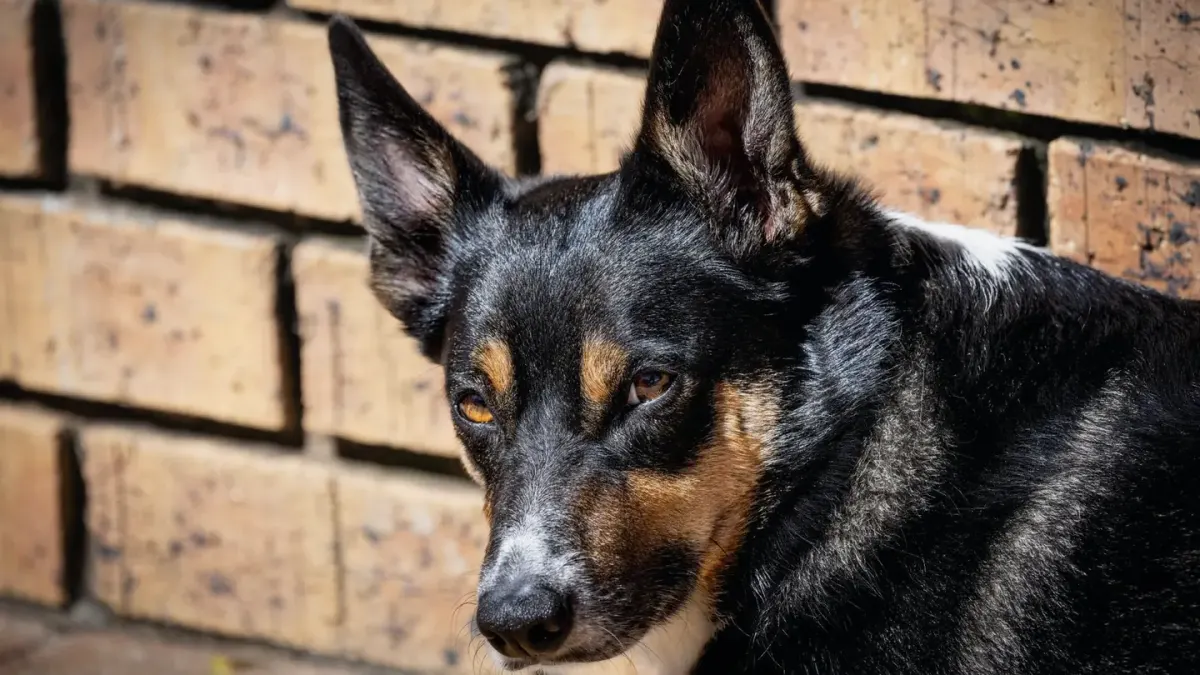
An eleven-year-old Labrador mix pants through the night, drinks more, and startles at sounds she once ignored. Her owner wonders if ashwagandha for calm might help, but her chart already lists hypothyroidism and daily levothyroxine. That overlap is where I pause every time, because calm and thyroid balance pull on the same system.
My verdict comes first. For dogs with diagnosed hypothyroidism on medication, or with suspected hyperthyroidism, I do not start ashwagandha on my own. The evidence in people points to stress support, not thyroid treatment, and dogs add medication timing, testing, and liver handling that change the risk. If anxiety remains after thyroid treatment is stable, a short, vet-supervised trial is the only path I defend.
In Chinese-medicine terms, I often see these dogs in a depleted pattern — low reserves, restless Shen, dry coat, cold-seeking or heat-seeking shifts, uneven energy. Owners hear that as low thyroid. I translate it this way: build the foundation before adding a warming, moving herb. That means confirm the diagnosis, stabilize replacement, support sleep, routine, and digestion, then revisit whether calm support is still needed.
The limitation that changes the call
The surprising limitation is how little we can borrow from human ashwagandha research for a thyroid dog. A systematic review analyzed multiple RCTs and concluded that ashwagandha has a moderate positive impact on stress reduction and cognitive performance, reported in Cureus. That finding is about stress and thinking in people. It tells us nothing about canine thyroxine levels, levothyroxine absorption, or autoimmune thyroiditis in dogs.
The rest of the calming-herb picture is thinner still. For the remaining species, evidence is derived mainly from preclinical studies or traditional use, as summarized in Biomedicines. Dogs sit squarely in that remaining-species group. Traditional use may help support relaxation, but tradition does not tell us how a 68-pound senior with a slow metabolism will respond when thyroid hormone is already being replaced.
She was 12 years old, a spayed Beagle mix around 28 pounds, stable on levothyroxine for eight months. Her owner added an ashwagandha calming chew during a move, hoping for quieter nights. By day 10 the dog was sleepier in the mornings, skipped half her breakfast three days in a row, and seemed dull on walks her owner had logged as normal. Nothing proved the herb caused it. The tradeoff was practical: with appetite and timing shifted, the vet could no longer tell whether thyroid signs, stress, or the new supplement explained the change, so we stopped the chew, kept medication timing strict, and rechecked labs four weeks later.
Myth versus reality for thyroid dogs
Myth says natural calm support cannot disturb thyroid care. Reality says anything that changes appetite, gut transit, sleep, weight, or liver metabolism can disturb thyroid interpretation, even without a direct hormone effect.
That is why I keep ashwagandha separate from thyroid treatment. I do not use it to raise or lower thyroid values, adjust a dose, or replace rechecks. Dogs on levothyroxine need consistent dosing on an empty stomach, consistent diet, and timed follow-up. A new chew that causes soft stool, vomiting, or morning drowsiness makes that monitoring noisy.
The strongest counterargument deserves a fair hearing. Some owners point to human reports of thyroid shifts and ask why their hypothyroid dog should not try the same support. My answer stays evidence-bounded: human thyroid physiology, dosing, and monitoring differ, and canine data on hormone interaction are missing. Until we have dog-specific pharmacology, the safer interpretation is caution, not extrapolation.
A related caution comes from other calming ingredients owners often stack with ashwagandha. L-theanine research, for example, is largely human and narrow, except for one study on psychotic anxiety (SMD = 0.54; 400 mg/day for 8 weeks) described in Molecular Psychiatry. That dose and population do not transfer to a thyroid dog. Learn the broader calming evidence in Dog Anxiety Supplements: What the Evidence Actually Supports and Dog Calming Chews: What the Evidence Actually Supports before combining ingredients.
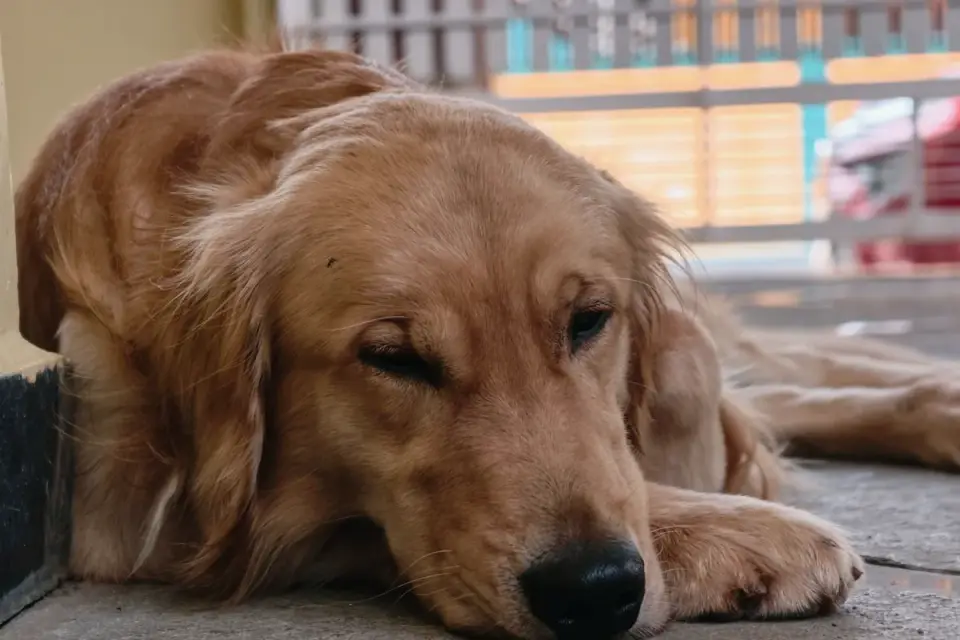
He was 6 years old, a 74-pound Golden Retriever with borderline low total T4, high anxiety at the clinic, and no medication yet. His owner wanted to start ashwagandha now and test later. Three weeks in, his recheck showed a different total T4, but he had also changed feeding times, gained two pounds, and started the supplement within days of a vaccine visit. That edge case changed my guidance for similar dogs. When thyroid status is still being sorted out, I hold all new calming herbs until we have a clean baseline, because one shifted number without a clean timeline helps no one.
A practical sequence I trust
I use this order for dogs with known or suspected thyroid disease who are also anxious.
Confirm and stabilize first. Get a full thyroid panel your vet trusts, review levothyroxine dose, timing, and diet consistency, and treat concurrent illness. Ask whether signs look like under-replacement, over-replacement, aging, pain, or true anxiety. Background on ashwagandha alone helps here: Ashwagandha for Dogs: The Verdict, the Evidence, and How to Use It Well.
Support calm without adding variables. Keep walks, meals, bedtime, and alone-time predictable. Use bodywork, gentle Tui-na pressure along the shoulders and hindquarters, quiet resting space, and short training for noise worry. Recheck thyroid labs on schedule before judging behavior.
Only then discuss a trial, if anxiety persists. Bring the product label, other supplements, and all medications. Agree on start and stop criteria, what morning drowsiness or appetite change would trigger a call, and when labs will be repeated. Never adjust thyroid medication to accommodate a supplement.
Watch the dogs who need extra caution: newly diagnosed dogs, dogs with dose changes in the past 6 to 8 weeks, dogs with liver disease, pregnant or breeding dogs, and any dog with unexplained weight loss, racing heart, or heat intolerance that could suggest excess thyroid effect. Those dogs should not test ashwagandha at home.
A short next step you can take this week is to log sleep, appetite, stool, energy, and medication time for seven days, then bring that sheet plus the supplement label to your vet. That record does more for safety than any review of calming chews.
Frequently asked questions
Can ashwagandha replace thyroid medication for dogs?
No. I do not use it to treat hypothyroidism or adjust levothyroxine. Keep medication timing consistent and follow your vet's testing plan.
My dog takes levothyroxine and is anxious. Can we ever try ashwagandha?
Only as a vet-supervised trial after thyroid levels and dosing are stable, with a clear stop plan and timed rechecks. Many dogs do better with routine, sleep, and behavior support first.
What signs should prompt a call during a trial?
Call promptly for ongoing vomiting, diarrhea, skipped meals, unusual lethargy, restlessness, panting, rapid heart rate, or major behavior change. Bring the product label and dosing history.
Sources
- Stress, Cognition and Ashwagandha Systematic Review — Cureus
- Chamomile and Related Herbs Evidence Review — Biomedicines
- L-Theanine and Anxiety Evidence Review — Molecular Psychiatry