
On this page
Yes, it’s normal for a dog to seem extra clingy after a move while the new place still feels strange.
In day-to-day practice, I tell owners to expect some shadowing for the first one to three weeks. Your smell, your voice, and your lap are the only familiar things in a house that looks, sounds, and smells wrong. Following you to the bathroom, whining when you leave the room, sleeping pressed against you — that is usually a normal stress response, not disobedience or new separation anxiety.
Here is the limitation I lead with: routine does more for that clinginess than any supplement. I favor supports and may help maintain language for a reason, and I will be honest where the preventive evidence is thin. Calming ingredients get a lot of attention after moves, but the human research does not translate neatly to a stressed dog in a new hallway.
A four-year-old, 42-pound mixed-breed dog moved with his family from a ground-floor apartment to a two-story rental on March 8. For the first nine nights he would not sleep on his old bed and instead wedged himself against his owner’s feet, then followed her to every room by day. She weighed whether to shut him out to force independence or let him stay close while keeping meals, walks, and bedtime on the old schedule. She chose closeness plus structure, and by night ten he was choosing the bed on his own for part of the night.
The new house looks settled to you, not to them
You see furniture in place. Your dog sees lost scent marks, strange echoes, new foot traffic outside, and no safe resting spot yet. Appetite may dip, sleep may be light, and play may drop off for a few days.
That is why clinginess clusters around transitions: first morning alone, first night in a new bedroom, first time you walk out the front door that does not sound like the old one. Most dogs check in more often and explore less until they learn the new pattern — where water is, where you go, that you come back.
Short, boring departures help more than long reassurances. Keep hellos and goodbyes low-key, feed and walk at the same times you did before, and give your dog one defined resting place with an unwashed blanket or shirt that smells like you.
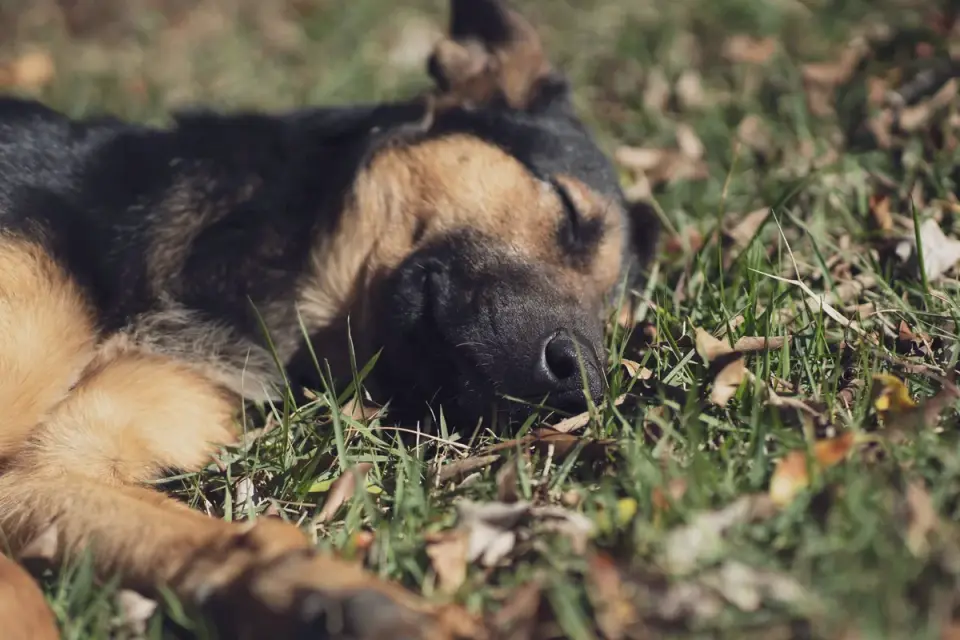
Myth: clingy means something is wrong with your bond
The worry I hear most is that clinginess means the dog is now insecure forever, or that comforting them will reward anxiety. Neither holds up in practice.
Comfort does not create anxiety. Calm company helps a stressed dog regulate, much as behavior specialists describe in guidance on counter-conditioning and desensitization from the American Veterinary Society of Animal Behavior. What can backfire is unpredictable attention — lots of petting and talking one hour, frustration the next — because the dog cannot learn what predicts safety.
Think support, not fixing. You are maintaining appetite, sleep, and normal exploration while the dog maps the new home. For more on what actually has data behind it, I point owners to my broader review in Dog Anxiety Supplements: What the Evidence Actually Supports.
A 10-month-old terrier type, about 18 pounds, trailed her owner to the kitchen and bathroom for three straight weeks after a cross-town move. The owner tried a bag of calming chews for five evenings and expected her to settle within an hour, then felt discouraged when the pacing continued. The chews were not harmful, but they did not teach the puppy where to rest or that alone time ends safely. Once the owner added two 15-minute sniff walks a day and a frozen lick mat during dinner prep, the shadowing dropped noticeably before the bag was finished.
That is the tradeoff I see often: products promise calm without changing the day. Except for one small signal in people — Nature Portfolio: Cognitive and affective effects of L-Theanine: a systematic review and meta-analysis of 31 randomized trials noted “except for one study on psychotic anxiety (SMD = 0.54; 400 mg/day for 8 weeks)” — the calming-supplement literature is mostly short human trials, not moving-day trials in dogs. Be honest about that gap before you spend much on it.
A practical sequence for the first two weeks
Skip the overhaul. Do the same small things in the same order.
Set up one home base first. Same bed, same bowl spot, water always available, a chew or stuffed Kong for quiet time. Feed within 30 minutes of the old mealtime and keep the morning walk route short and repeatable for the first week.
Practice micro-absences. Step behind a door for 10 seconds, return calmly, then stretch to a minute, then five. Pair it with something your dog only gets when you are briefly out of sight. If you work from home, use the same cue — “be right back” — every time.
Rebuild nights before days. Dogs often settle at night first once they know where you sleep. A nightlight, white noise, and your worn T-shirt near — not necessarily in — the crate or bed can help. If crate training slipped during packing, revisit it gently with daytime treats rather than locking in overnight right away, as outlined in After Your First Counter-Conditioning Session: What Comes Next.
When clinginess needs a second look
Most move-related clinginess fades as exploration returns. Call your veterinarian if you see no improvement after two to three weeks, or if clinginess escalates into panting, drooling, destruction at exits, house soiling in a previously housetrained dog, or refusal to eat for more than 24 hours. Those signs can point to separation-related distress, pain, or illness unmasked by stress.
This is where the usual stay-close-and-wait advice has to bend. A 12-year-old, 54-pound senior dog with stiff hips moved 400 miles to be near family and began crying whenever his owner walked more than 20 feet away. Instead of pushing longer absences, the owner kept him on the main floor, added a non-slip runner to his bed, and booked a preventive visit to check pain and cognition. The plan shifted from training independence to supporting comfort — shorter outings, a consistent potty spot by the back steps, and medication review — and the night vocalizing eased once movement hurt less.
You do not need a perfect routine, just a repeatable one. Pick one resting spot, one departure cue, and one daily walk you can actually keep.
Frequently asked questions
How long is clinginess normal after moving?
Light shadowing for one to three weeks is common while your dog learns the new routine. If there is no gradual improvement, or stress signs intensify, check in with your veterinarian.
Should I let my dog follow me everywhere in a new home?
Let them stay close at first while you keep meals, walks, and sleep predictable. Add brief, calm alone-time practice and reward settling on their bed rather than forcing distance.
Do calming chews help dogs settle after a move?
They may help some dogs relax as part of a routine, but evidence in dogs is thin. Prioritize consistent schedule, exercise, a familiar resting spot, and gradual absences first.
Sources
- Cognitive and affective effects of L-Theanine: a systematic review and meta-analysis of 31 randomized trials — Nature Portfolio
- Position Statements — American Veterinary Society of Animal Behavior