Turmeric with curcumin won’t fix cold-weather stiffness, but steady movement helps maintain comfort. My call for most stiff, older dogs: start with warmth, weight, and gentle motion, then consider turmeric as a low-priority add-on.
A 10-year-old, 68-pound Boxer mix started hesitating at the back door on 28-degree mornings. By day 10 of cold snaps, her owner timed a 40-second pause before the first three steps, then she loosened up once around the block. The hips did not look painful to touch, the gait was short in the rear, and the worry was whether turmeric chews alone would unlock those first minutes. We talked through heat, leash pace, and flooring first, because morning stiffness responds more to warm-up than to any single powder.
The cold-weather limit no label mentions
Cold does not create arthritis, but it exposes it. Stiff synovial fluid, tight muscles, cold floors, and shorter days with less activity all stack up. That is why a dog looks worse at 7 a.m. and better at noon.
Turmeric and its polyphenol curcumin are widely sold for joint comfort, yet direct canine joint trials are thin and mixed. Human data on curcumin exist, but dogs absorb and clear it differently, and most pet products do not disclose curcuminoid content, bioavailability support, or third-party testing. The National Center for Complementary and Integrative Health notes turmeric shows promise for some conditions in people while evidence remains limited and product quality varies, which tracks with what I see in pet aisles.
So keep expectations realistic. Turmeric may fit as background support alongside proven joint-support basics, not as the lever that restores stair climbing.
Myth versus what actually helps maintain mobility
Myth: turmeric replaces rest, weight control, or veterinary care for a stiff dog.
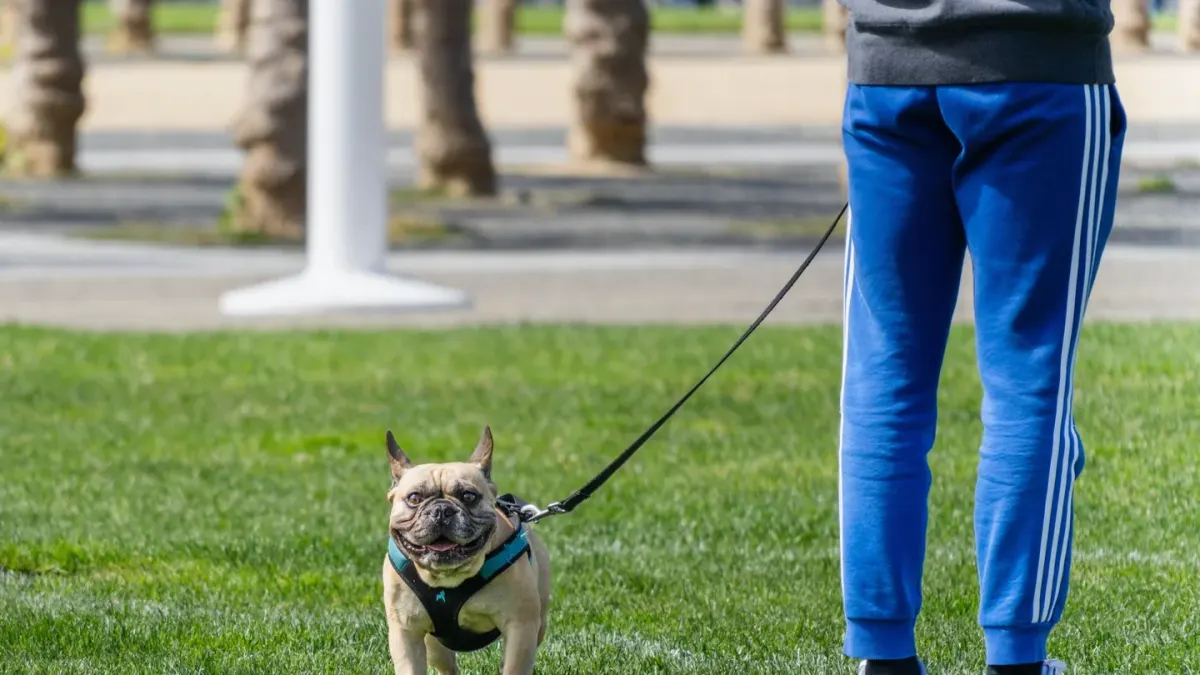
Reality: comfort comes from load management plus motion. Gentle movement pumps synovial fluid, maintains range, and keeps supporting muscle engaged. Walk through how gentle movement supports comfort and mobility: start with five minutes on leash, let the dog set the pace, add sniff breaks, then add five minutes only if the next-morning start is no worse.
For context on ingredient evidence, glucosamine and chondroitin are among the most studied joint support ingredients for dogs. That framing comes from veterinary review summaries, not from turmeric marketing. In lab work, researchers reported that a tested compound could “prevent experimentally induced cartilage degradation in vitro,” described in the Journal of Veterinary Medical Science. That is early-stage science, not proof of pain relief, and turmeric sits even earlier in canine-specific proof.
A different case shows the tradeoff. A 7-year-old, 54-pound Australian Shepherd got high-dose turmeric paste from an online recipe for three weeks in January. The owner reported yellow stools, mild vomiting twice, and no change in the slow rise from the dog bed. We stopped the paste, shifted to shorter twice-daily walks, a non-slip runner to the door, and a vet check that found tight hip flexors and extra winter weight. By week four the morning rise was quicker, which said more about dosing risk and deconditioning than about turmeric itself. Fat-heavy pastes, piperine add-ons, and kitchen-spoon dosing complicate stomach tolerance.
What the broader joint literature does support is structure/function language around normal joint physiology. One canine nutrition trial area discusses how certain nutrients “supports healthy synovial fluid homeostasis,” reported in Frontiers in Veterinary Science. Another ingredient example often cited for context is green-lipped mussel: researchers found that “BMO, GMO, and KO all alleviated paw swelling in rats and reduced serum levels of rheumatoid factor (RF), anti-cyclic citrullinated peptide (anti-CCP) antibody, and pro-inflammatory cytokines such as TNF-α and IL-17,” reported in Nutrients. Those are rat data, not canine arthritis outcomes, so I cite them only to show where evidence is strong, thin, or mixed.
The sequence I walk owners through
Do this order. Do not start with supplements.
- Warm the start. Keep the bed off cold floors, use a coat for lean or senior dogs, and do 2–3 minutes of indoor weight shifts before the door.
- Walk short and often. Two 10-minute sniff walks beat one 30-minute march on icy sidewalks.
- Fix traction. Runners, trimmed nails, and paw balm reduce the splay-and-guard pattern owners read as pain.
- Check weight and nails. Even 2–3 extra pounds change morning stiffness.
- Ask your vet about pain. Sudden worsening, crying, lameness, or refusal to bear weight needs an exam, not turmeric.
- If you try turmeric, keep it small and labeled. Choose a dog-specific product with stated curcuminoid amount, feeding directions, lot number, and contact info. Watch appetite, stool, and vomiting for 14 days. Stop if GI signs appear.
An edge case changed my threshold. An 11-year-old, 22-pound terrier mix with early kidney disease looked stiffer in February, and the owner wanted to add turmeric plus a new joint chew plus fish oil at once. We added nothing for two weeks and instead tracked morning rise time, stair count, and leash distance. The log showed stiffness faded after indoor play but spiked after long cold fetch on weekends. The fix was pacing fetch and adding a ramp, with any supplement decision routed through her veterinarian because concurrent conditions and drugs change risk. Stacking three new ingredients hides what helps and what irritates.
For help scoring labels beyond turmeric, see Best Joint Supplement for Dogs: A Verdict-First Buying Guide and Dog Hip and Joint Supplements: What Actually Helps a Stiff, Aging Dog Move Better.
Strongest counterargument: some owners report their dog moves better on turmeric, so why not lead with it. Fair point, especially for dogs that cannot tolerate other routines. I still land movement-first because warm-up, traction, weight, and paced walks help maintain function across every dog I follow, while turmeric response varies and GI upset is common enough to matter.
Keep it simple this winter: heat the joints, move the body, lighten the load.
Frequently asked questions
Does turmeric help dogs with winter joint stiffness?
Evidence in dogs is limited. Use warmth, gentle twice-daily walks, traction, and weight control first, then discuss a labeled turmeric product with your vet if you want to trial it.
How should I trial turmeric safely?
Use one dog-specific product with stated curcuminoid content and feeding directions, watch stool and appetite for 14 days, and stop and call your vet for vomiting, diarrhea, or loss of appetite.
When is stiffness an urgent vet visit?
Sudden non-weight-bearing lameness, crying out, rapid swelling, fever, or stiffness that worsens over 24–48 hours despite rest warrants prompt veterinary evaluation.
Sources
- Turmeric — National Center for Complementary and Integrative Health
- Synovial Homeostasis Study — Frontiers in Veterinary Science
- Cartilage Degradation In Vitro Study — Journal of Veterinary Medical Science
- Mussel Oil Anti-Inflammatory Study — Nutrients