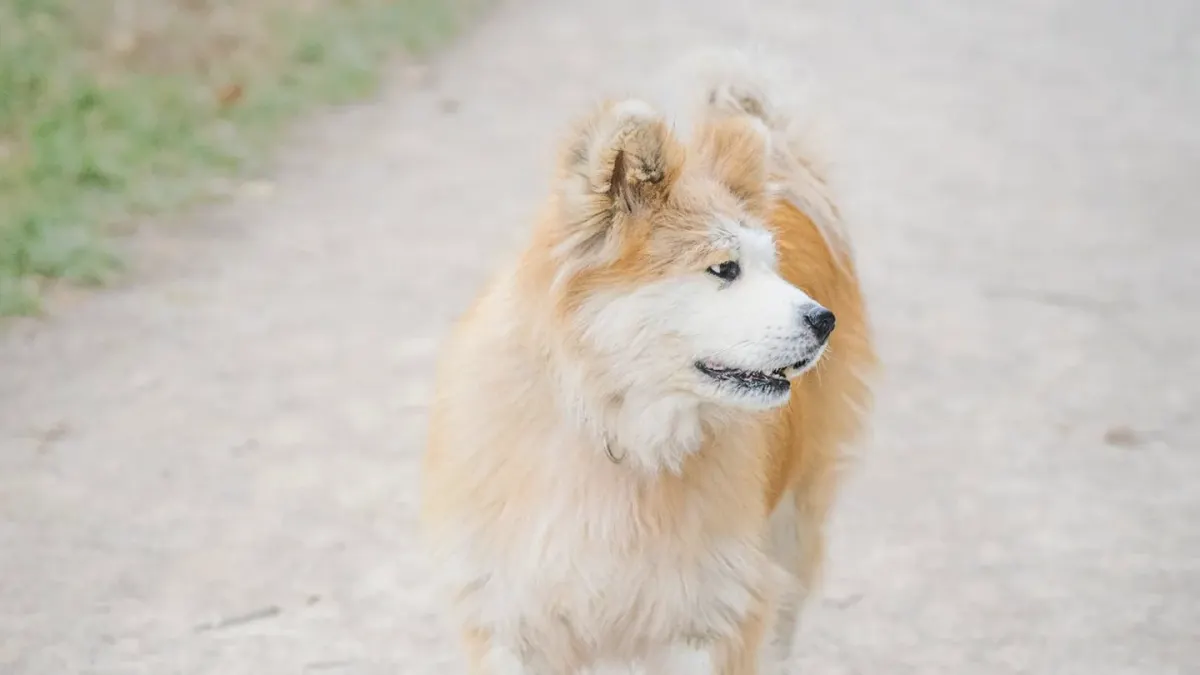
The first hard freeze always tells on them. Last January an owner described her 9-year-old, 68-pound Labrador mix who had been fine on fall hikes but now hopped for the first dozen steps out the back door, carried the left hind on the icy patio, then walked it out by the mailbox and acted normal until the next morning. She was weighing the main decision I see every winter: is this just cold stiffness to manage at home with shorter walks and joint nutrition, or is this pain that needs an exam, weight plan, and rehab now before muscle slips away.
My call is verdict-first: winter does not cause arthritis, it unmasks it. Cold muscle, thicker joint fluid, shorter days with less movement, slick floors, and lost conditioning combine to make a marginal joint fail in January when it coped in September. I weigh what a supplement can realistically do for diet, mobility, and recovery here as supportive, not corrective — useful for daily joint nutrition alongside weight, strength, and footing, but never a fix for a new or worsening limp on its own.
The uncomfortable limit: winter exposes the joint, it doesn’t create the problem
No chew or powder reverses osteoarthritis or repairs a cruciate tear, and cold makes that limitation obvious.
What drops in winter is margin. Synovial fluid lubricates and nourishes cartilage, and research described as work that “supports healthy synovial fluid homeostasis” in Frontiers in Veterinary Science reminds us why steady daily movement and joint nutrition matter more than a seasonal quick fix. Stiff synovium plus cold, shortened muscles plus two fewer walks per week equals a dog who rises slowly, slips getting up from a floor, and limps until tissues warm.
Winter is a stress test, not a diagnosis.
Glucosamine HCl has been reported to “prevent experimentally induced cartilage degradation in vitro” in work published in the Journal of Veterinary Medical Science, which grounds an integrative claim in the nutritional evidence without promising repair in a live, arthritic dog. That is the right frame for food therapy and supplement science: may help support cartilage nutrition and whole-patient mobility as part of a plan built on lean body weight, controlled exercise, and veterinary pain assessment.
Myth versus reality: cold, paws, and that morning limp
Myth: dogs limp in winter because their joints freeze or because they need more calcium. Reality: most winter limps trace to osteoarthritis stiffness, muscle deconditioning, tender paws and cracked pads, overgrown nails on slick floors, or an acute soft-tissue injury hidden by snow.
She tried what many owners try. With her 7-year-old, 54-pound pit mix she added a joint chew in December, kept the same long weekend walk, and cut weekday walks because it was dark by 5 p.m. By day 10 the dog was worse — slower on stairs, bunny-hopping after rest, sore the day after the big walk. The tradeoff was predictable: a supplement cannot offset lost weekday motion, extra holiday weight, and one big overload on cold tissues. When she swapped the pattern — short daily leash walks, warm-up sniffing before play, rugs on the hallway turn, nails trimmed — the morning limp shortened even before any diet change had time to matter.
Ingredients still have a place, weighed honestly. Green-lipped mussel contains omega-3 fatty acids and glycosaminoglycans that nutritionists watch for joint support, and laboratory work found that “BMO, GMO, and KO all alleviated paw swelling in rats and reduced serum levels of rheumatoid factor (RF), anti-cyclic citrullinated peptide (anti-CCP) antibody, and pro-inflammatory cytokines such as TNF-α and IL-17” in Nutrients. That is rat and cell-level data, not proof of pain relief in dogs, which is why I frame marine lipids as may help support a normal inflammatory response within a complete diet rather than as a winter painkiller.
For broader context on how those ingredients fit, see Dog Hip and Joint Supplements: What Actually Helps a Stiff, Aging Dog Move Better and Best Joint Supplement for Dogs: A Verdict-First Buying Guide.
A practical sequence for winter limping
The strongest counterargument I hear is reasonable: if cold is the trigger, why not just keep the dog warm and wait for spring. Warmth helps comfort, but waiting costs muscle. In senior dogs especially, three weeks in of shorter walks means less quadriceps and gluteal support for the same arthritic hip or stifle, so spring starts from a weaker baseline.
Use this sequence instead, and call your veterinarian promptly for non-weight-bearing lameness, swelling, crying out, or a limp lasting more than 48 hours.
First, map the pattern for three to five days. Which leg, how many steps until it eases, stairs versus flat, after rest versus after play, any paw licking or ice balls. Video the get-up and first 30 seconds.
Second, fix mechanics. Trim nails, trim paw fur, use a balm for cracked pads, lay runners over hardwood, use a harness to help on steps, and warm up with five minutes of slow sniff-walking before faster movement.
Third, hold condition. Short, frequent leash walks beat one weekend hike. Keep body condition lean enough to feel ribs easily, and ask your vet about physical therapy exercises for hind-end strength.
An edge case changed one plan for me. A fit 3-year-old, 41-pound border collie limped only on frozen mornings, only on the right front, and only after fetching on rutted ice — by week two she was sound indoors. That age and on-off pattern pointed away from age-related arthritis and toward pad bruising plus a possible shoulder strain from slipping, so the advice flipped from joint supplement to two weeks of leash-only exercise, paw checks, and an exam if it recurred. Young, winter-only, forelimb lameness after torque on ice deserves a different workup than the classic senior who is stiff for 10 minutes then warms out of it.
If stiffness persists despite good weight, footing, and consistent movement, ask whether prescription pain control, joint injections, or rehab is appropriate. For help sorting oral versus injectable options, see Adequan Injections vs. Joint Supplement Chews for Dogs: My Call and Does Hyaluronic Acid Actually Work for Dog Joints? What the Research Shows.
Your next step is small: log tomorrow morning’s first minute, then book the exam if the pattern holds.
Frequently asked questions
Why does my dog limp more in winter but seem fine in summer?
Most often it is osteoarthritis and muscle stiffness made obvious by cold, less activity, weight gain, and slippery footing. Track which leg, how long morning stiffness lasts, and whether it eases with gentle movement, then ask your vet if it lasts more than 48 hours or worsens.
Should I give a joint supplement just for winter?
Joint nutrition works best as consistent daily support alongside lean weight, daily walks, and good traction — not as a short seasonal fix. Supplements may help support joint flexibility and mobility, but they do not repair arthritis or replace pain assessment and rehab.
When is a winter limp an emergency?
Seek prompt care for non-weight-bearing lameness, sudden swelling, crying in pain, a leg carried after a slip or fall, or any limp with lethargy, fever, or loss of appetite.
Sources
- Chondroitin and synovial fluid homeostasis study — Frontiers in Veterinary Science
- Glucosamine and in vitro cartilage degradation study — Journal of Veterinary Medical Science
- Marine oils, green-lipped mussel and paw swelling in rats — Nutrients