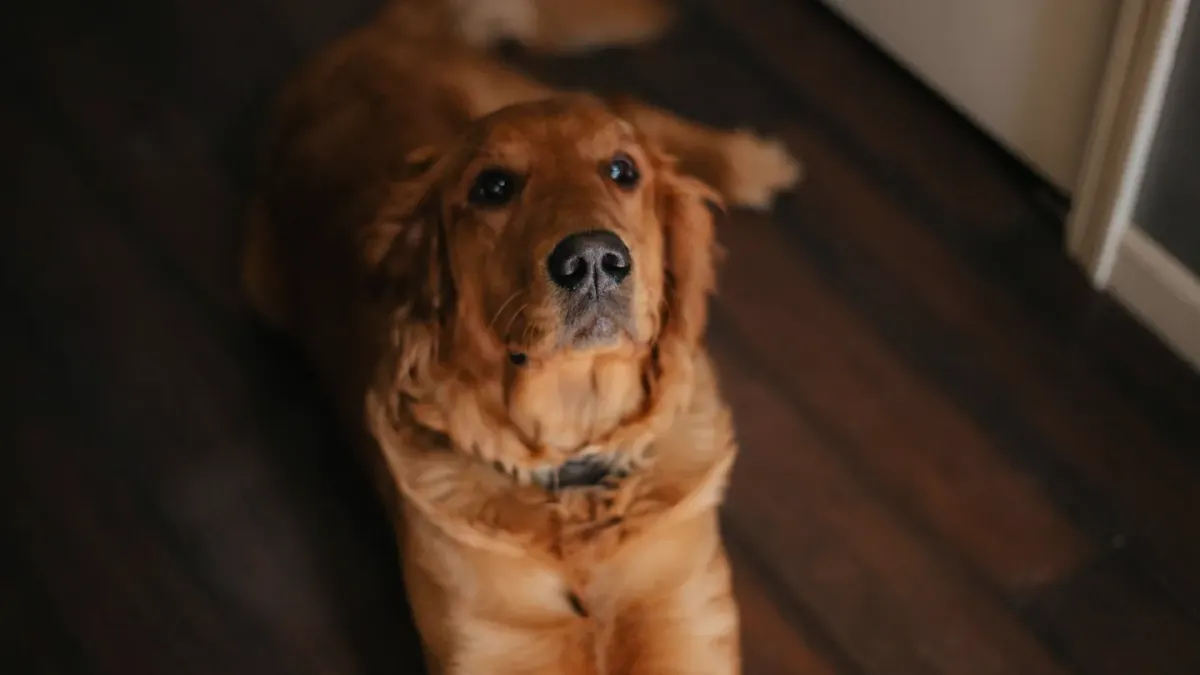
Nervous drool looks messy, but it is often simple physiology. When your dog shifts into fight-or-flight, his mouth can water before he pants, paces, yawns, or licks his lips.
My call up front: treat sudden, heavy drool with fear as a welfare signal first and a shopping problem second. Weigh the cost and the access before the ideal. A free management change you can do tonight beats a perfect supplement you cannot afford or cannot get consistently.
That stance has a limit, and I will say it plainly. A supplement supports wellness, not replaces medicine. If drool comes with vomiting, pale gums, collapse, facial swelling, trouble breathing, a suspected toxin, or a bite wound, skip the calming advice and get veterinary care now.
The 6-year-old, 68-pound Labrador I keep thinking about started this lesson for a lot of owners. He was solid at home but turned into a faucet at the vet lobby — ropes of clear saliva, yawning every 20 seconds, shaking off like he was wet. By day 10 of a simple plan his owner could predict it: drool started at the parking lot, peaked in the waiting room, and dried up three weeks in once the routine changed. The number that mattered was not the volume of spit. It was the timeline and the trigger.
The part the label will not explain
Saliva rises with arousal. Nausea, motion sickness, fear, and frustration can all increase swallowing and drooling, and dogs cannot tell us which one they feel. Context is your best test.
Fear drool tends to be clear and watery, paired with tucked body language, pinned ears, panting when it is not hot, whining, trying to leave, or shutting down. Car rides, storms, fireworks, vet visits, boarding drop-offs, and new visitors are classic triggers. It usually stops once the trigger passes.
Medical drool looks different. It is often thick, foul-smelling, bloody, brown, or one-sided, or it comes with pawing at the mouth, gagging, retching, loss of appetite, facial asymmetry, or lethargy. Dental pain, oral masses, nausea, toxin exposure, heatstroke, and neurologic disease can all cause it. Brachycephalic breeds and heavy-jowled dogs also drool more at baseline, which confuses the picture.
So do not start with “which chew stops drool.” Start with “what changed in the last hour, and what else is on board besides spit.”
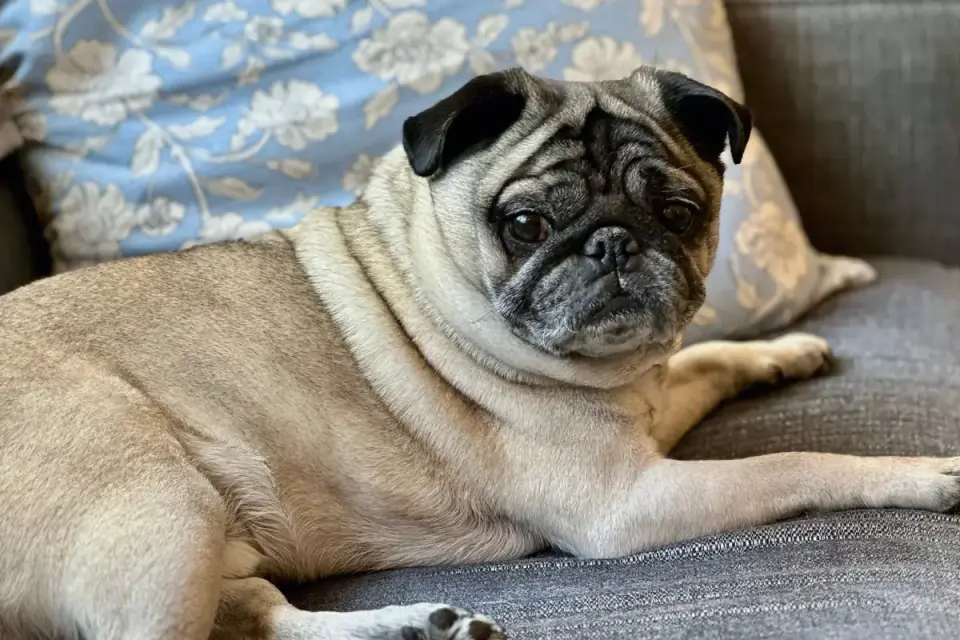
Myth: calm ingredients dry up nervous drool directly
No common calming ingredient is a salivary off-switch. What they are studied for is support for relaxation and the stress response, which may then mean less pacing, panting, and drooling in a fearful dog.
Here is where the evidence is strong, thin, or mixed, in plain terms:
L-theanine is an amino acid found in tea that has been studied for its calming properties. Human reviews are narrow — Molecular Psychiatry notes “except for one study on psychotic anxiety (SMD = 0.54; 400 mg/day for 8 weeks)” — so I treat it as interesting but not proven for canine fear drool.
Ashwagandha has more human data. A systematic review analyzed multiple RCTs and concluded that ashwagandha has a moderate positive impact on stress reduction and cognitive performance, as summarized in Cureus. That does not equal a dog dose or a drool claim, especially for long-term use without veterinary input.
Chamomile sits in the traditional-use bucket. MDPI puts it plainly: “For the remaining species, evidence is derived mainly from preclinical studies or traditional use.” In herbal care language, Chamomile and Valerian Root have been used in traditional herbal care to support relaxation. Support is the right word. Cure is not.
I tried the backwards version with a 3-year-old, 42-pound cattle dog mix who drooled through every thunderstorm. Her owner bought a high-priced chew first, then asked about training. By day 10 nothing had changed because the dog still had full window access, no white-noise buffer, and no safe resting spot during storms. Three weeks in, after we flipped the order — curtains closed, basement bed, same departure cue — the pacing shortened before any product change. The tradeoff stung: money spent first delayed the free fix that actually moved the needle.
A practical sequence that respects your budget
You do not need a perfect protocol. You need a repeatable one you can afford.
First, make the trigger smaller. Increase distance, lower volume, shorten the car ride, ask the clinic about waiting in the car, give the storm-phobic dog one quiet room. Pair the scary thing with easy wins — treats, sniff walks, a chew — without flooding.
Second, track it for two weeks. Note trigger, duration, drool amount, appetite, stool, sleep, and recovery time. Recovery time tells you more than spit volume. A dog who rebounds in 10 minutes is different from one who pants for six hours.
Third, cover health basics with your vet if drool is new, worsening, one-sided, bloody, smelly, or paired with vomiting, coughing, or behavior change. Ask about dental pain, nausea and motion sickness, and whether true anxiety medication is warranted. For background on where gentle options end and prescriptions begin, read Amitriptyline vs. Calming Supplements for Dog Anxiety: The Verdict Before You Choose and Dog Anxiety Supplements: What the Evidence Actually Supports.
Fourth, if you and your vet agree to try a supplement for situational stress, pick one transparent formula, one change at a time, and judge it on recovery — not zero drool. For related ingredient context, see Ashwagandha for Dogs: The Verdict, the Evidence, and How to Use It Well and Dog Calming Chews: What the Evidence Actually Supports.
The edge case owners miss is the quiet shutdown dog. A 9-year-old, 24-pound terrier mix stopped drooling on car rides and his owner called it progress. By week four the real pattern was worse: he still trembled, refused treats, and took two hours to eat normally at home. Less saliva had masked more fear. If drool fades but appetite, play, and curiosity do not return within a day, do not count it as a win. Call your vet and revise the plan.
That is my verdict, with the honest exception. Most nervous drool is fear plus arousal, best handled through distance, routine, and cost-aware veterinary guidance. Supplements can support calm behavior in some dogs, but they do not replace training, management, or medicine when fear is severe or illness is on the table.
Frequently asked questions
Is nervous drooling in dogs normal?
Light, clear drool with panting, yawning, or pacing during a known fear trigger is common and usually stops when the trigger ends. Thick, bloody, foul, one-sided, or persistent drool, or drool with vomiting or lethargy, needs prompt veterinary care.
Can a calming chew stop my dog's stress drool?
No ingredient directly turns off saliva. Some ingredients are studied for support of relaxation, which may reduce arousal behaviors over time. Judge any trial by faster recovery and calmer body language, not zero spit.
When should I call the vet for drooling?
Call now for suspected toxin, heatstroke, facial swelling, trouble breathing, collapse, pale gums, repeated vomiting, or inability to swallow. Book soon for new, worsening, or one-sided drool, bad odor, appetite loss, or fear that lasts hours after the trigger.
Sources
- Chamomile Evidence Review in Biomedicines — MDPI
- Ashwagandha Systematic Review on Stress — Cureus
- L-Theanine Review in Anxiety Disorders — Molecular Psychiatry