On this page
- The Short Answer, Expectation First
- Why Chew Format Matters More Than the Ingredient List
- What Crushing Does to NAD+ Precursors Like Nicotinamide Riboside
- Quercetin and Resveratrol: Earlier-Stage Evidence, Different Questions
- The Dosing Problem Nobody Talks About
- A Practical Crush-and-Sprinkle Checklist
- When to Just Not Crush It
A client asked me this on a Tuesday afternoon, holding a half-eaten chew and a suspicious ten-year-old retriever. My answer then is the same one I’ll give here: crushing a longevity chew and sprinkling it over food is usually fine, but “usually” is doing real work in that sentence, and it’s worth understanding why before you start doing it out of habit.
The Short Answer, Expectation First
Most soft, moisture-based longevity chews are built to be swallowed whole, chewed, or broken apart with no meaningful change in what the ingredients do once they hit the gut. If your dog is a picky eater, has dental pain, or simply refuses the chew as a treat, crumbling it into dinner is a reasonable workaround. What changes the calculus is the specific active ingredient, how quickly it degrades once exposed to air and moisture, and whether your dog reliably finishes the bowl.
Why Chew Format Matters More Than the Ingredient List
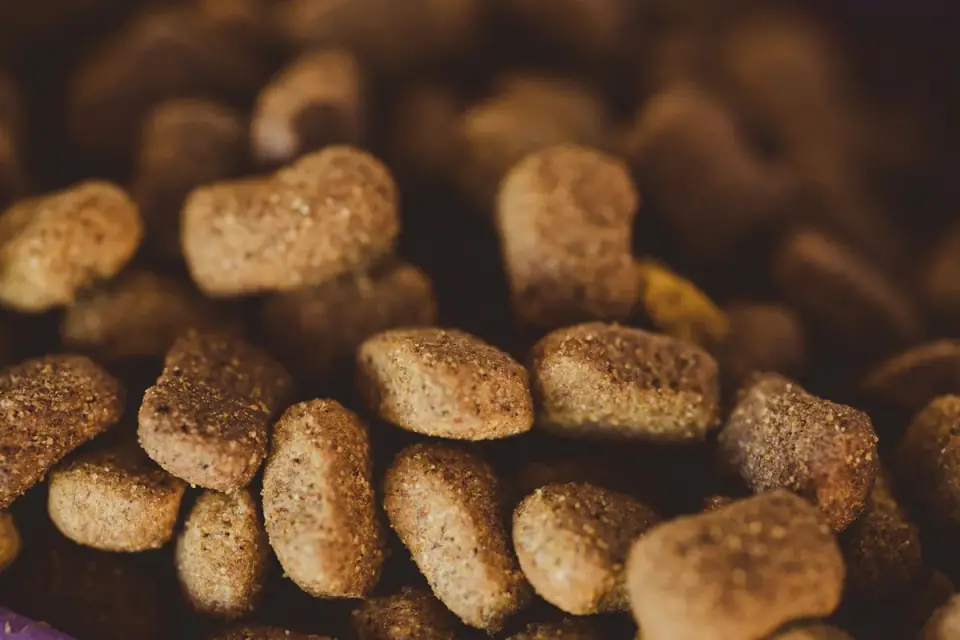
A longevity chew is a delivery system as much as it is a formula. Soft chews hold moisture and typically release their contents quickly once broken, which is exactly why they crush well. Hard, dense chews and anything with a coating designed to slow release behave differently. Crushing a slow-release product can dump the entire dose into the stomach at once instead of spreading it out, which matters more for medications than for most supplements, but it’s still worth checking the label.
Soft Chews vs. Hard Chews vs. Capsule-in-Chew Shells
Soft chews: crush freely, mix in right before feeding.
Hard or dense chews: harder to pulverize evenly, and uneven pieces mean uneven dosing across a meal.
Capsule-style products disguised as chews: open the capsule instead of crushing the shell, since the shell itself may be doing more than holding the powder together.
What Crushing Does to NAD+ Precursors Like Nicotinamide Riboside
Here’s where the mechanism actually matters. Nicotinamide riboside, a NAD+ precursor found in several senior-support formulas, is chemically sensitive to heat and moisture, and a review in PMC on the physicochemical properties and degradation kinetics of nicotinamide riboside describes how it breaks down through both thermal decomposition and hydrolysis, with degradation happening faster in warmer, wetter conditions and at neutral-to-basic pH. Crushed powder sitting in a bowl of wet food on a warm porch for twenty minutes is a mild version of exactly the conditions that speed that breakdown along. It’s not dangerous — it just means the ingredient may do slightly less by the time it’s swallowed than it would fresh out of the package.
The fix is simple. Crush right before the meal, not hours ahead, and don’t pre-mix a week’s worth of chews into a container of food.
Quercetin and Resveratrol: Earlier-Stage Evidence, Different Questions
Quercetin and resveratrol are the two antioxidants most often paired with NAD+ precursors in senior formulas, and the honest answer is that the research base for both is still mostly preclinical. A study published in Pharmaceuticals (MDPI) testing quercetin formulations, alongside NAC and ascorbic acid, found that “QF and unformulated Q, as well as NAC and ascorbic acid, at the concentrations used, did not affect the feeding behavior of the worms” — a narrow finding from a model-organism study, not a statement about dogs or dosing format. Resveratrol’s dose-response curve is even less linear: a study in Phytomedicine found that “embryonic exposure to ER50 accelerated pupation and adult emergence but shortened adult lifespan” in an insect model, a reminder that these compounds behave differently at different concentrations and life stages, in organisms nowhere near a dog.
None of that tells us whether crushing changes quercetin or resveratrol’s activity in a senior dog’s gut. It does tell us the science hasn’t caught up to the marketing, and that’s a reason for measured expectations rather than avoidance.
The Dosing Problem Nobody Talks About
The biggest practical risk with crush-and-sprinkle isn’t chemistry. It’s behavior.
A senior dog who eats slowly, grazes, or leaves food in the bowl overnight may only get a fraction of the intended dose, and there’s no way to know how much. Compare that to handing over a whole chew as a treat: the dog either eats it or doesn’t, and you know which one happened. Mixed into a full bowl of kibble, a half-eaten meal is an unknown dose, not a partial one you can estimate. PetMD notes this same problem with crushed medications generally — dogs that sense something different in the bowl often eat around it, and owners are left guessing what percentage of the dose actually got consumed.
A quality supplement is also only as good as its manufacturing standards, which is where third-party oversight from a group like NASC comes in — certification through NASC’s audit and adverse-event reporting process doesn’t guarantee an ingredient works in every dog, but it does mean the product on the label is closer to the product in the jar.
A Practical Crush-and-Sprinkle Checklist
Check the label for “do not crush” or enteric-coating language first.
Crush right before feeding, mix into a small portion your dog reliably finishes, and skip pre-mixing a whole day’s food.
Watch the bowl. If food is routinely left over, the dose is routinely incomplete, no matter how carefully you crushed it.
When to Just Not Crush It
If your dog readily eats the chew whole, there’s no upside to crushing it — you’re adding a step and a small stability risk for no real benefit. Crushing earns its keep specifically for dogs who won’t take the chew as-is: sore mouths, picky palates, or dogs who’ve decided a treat is beneath them some days and not others.
What would change your answer here — a dog who never finishes a bowl, or one who spits out anything that isn’t a treat?
Frequently asked questions
Will crushing a longevity chew make it work faster?
Not meaningfully. Crushing can speed up how quickly the powder disperses in the stomach, but it doesn't change the underlying dose or absorption pathway for most soft-chew supplement formats.
Should I crush the chew ahead of time and store it?
No. Crush it right before the meal. Powdered supplements exposed to air, moisture, and warm food for extended periods can lose potency faster than the intact chew, especially with heat- and moisture-sensitive ingredients like nicotinamide riboside.
What if my senior dog doesn't finish the bowl?
Then the dose is incomplete, and there's no reliable way to estimate how much was consumed. If your dog is an inconsistent eater, giving the chew whole as a treat is a more dependable way to confirm the full dose went in.
Sources
- National Animal Supplement Council — NASC
- Can I crush medication in my dog's food? — PetMD
- Understanding the physicochemical properties and degradation kinetics of nicotinamide riboside, a promising vitamin B3 nutritional supplement — PMC
- Quercetin Formulation and Feeding Behavior Study — Pharmaceuticals (MDPI)
- Embryonic Resveratrol Exposure and Lifespan Study — Phytomedicine