On this page
Daily brushing and professional care support long-term health in dogs, but they do not work the way marketing often suggests.
Here is the checklist I want every owner to use before buying anything for the mouth:
- Plaque control matters more than any single product
- Comfort and eating ability are the outcomes you can see
- The oral-systemic link supports prevention, not treatment claims
- Anesthesia-based cleaning with radiographs remains the standard for established disease
- Senior dogs need a plan that adjusts, not a plan that stops
I will expand each of those below, then show where dental products fit and where they stop helping.
The limit no dental chew can get around
Plaque starts the problem, and only consistent removal changes the course. Once mineralized into tartar, it cannot be brushed away, and no chew, powder, or water additive reverses established periodontal attachment loss.
That is the surprising limit. Home care supports healthy gums and slows buildup between cleanings, but it does not treat periodontitis once pockets, bone loss, or mobile teeth are present.
The American Veterinary Medical Association makes the same distinction in owner guidance: regular home care plus professional evaluation under anesthesia, not anesthesia-free scraping or cosmetic whitening.
Plaque control is prevention.
Myth: a clean-looking mouth means a healthy mouth
Reality is less reassuring. Most periodontal disease in dogs hides below the gumline, where probing and radiographs find bone loss that the crown never shows.
Vets often see the pattern in older small breeds. Reginald, who lives with Estrella, a 13-year-old spayed female Coton de Tulear in San Mateo, noticed she dropped kibble from the left side and took 4 minutes to finish a meal she once finished in under a minute. The visible teeth looked only mildly stained, yet awake examination could not rule out deeper disease without full assessment under anesthesia.
That gap between appearance and disease is why I reject visual grading, breath scores, or before-and-after photos as proof that a product worked. They measure cosmetics. Periodontal health is measured by pocket depth, bleeding, mobility, and bone height.
A product that freshens breath may still have value for odor, but odor control is not periodontal therapy.
What the mouth has to do with the rest of the dog
The oral-systemic connection is real, but plain terms help. Periodontal tissues are vascular. When gums are inflamed and ulcerated, bacteria and inflammatory mediators have a short path into circulation during chewing and toothbrushing.
That supports prevention. It does not mean periodontal treatment treats heart, liver, or kidney disease.
My position is evidence-bounded: control oral inflammation to support comfort, nutrition, and lower chronic inflammatory burden, and say plainly when a claim outruns the periodontal data. No mouth rinse extends lifespan. What consistent dental care supports is a dog that keeps eating comfortably, keeps weight stable, and needs fewer emergency extractions late in life.
Where daily care actually earns its keep
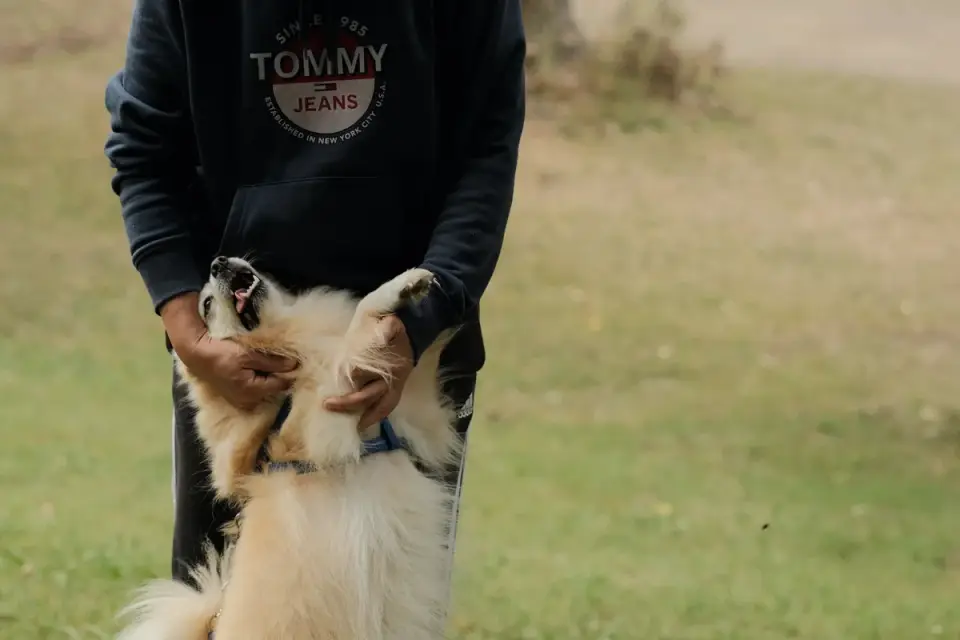
Toothbrushing remains the home measure with the strongest case because it disrupts plaque before it mineralizes. The Veterinary Oral Health Council maintains the only independent list I trust for sorting marketing from mechanism, awarding its seal only to products with submitted data for plaque or tartar reduction.
Use that list as a filter:
- Daily brushing with a soft brush and enzymatic or plain pet toothpaste
- A VOHC-accepted chew, diet, or barrier product if brushing is incomplete
- Clean water, appropriate chew hardness, and no bones, antlers, or hard nylon that fracture carnassials
- A written recall interval from your veterinarian, often 6 to 12 months for at-risk mouths
Diet and supplements sit beside this routine, not above it. Omega-3s from fish oil and antioxidant nutrition support a senior dog’s immune system and general cellular health, and questions about fish oil long term come up often in senior dogs, but they do not replace plaque removal.
A practical sequence for an aging dog
Senior mouths change. Gums recede, crowns wear, and old extractions shift the bite. The plan should adjust.
Start with pain and function. Dropping food, chewing on one side, pawing at the face, blood on toys, or sudden preference for soft food points toward oral pain until proven otherwise. Weight loss in an older dog is rarely just age.
Then stage the disease properly. That means a pre-anesthetic workup appropriate for age, general anesthesia with airway protection, full-mouth radiographs, probing and charting, and treatment of diseased teeth in the same session when medically appropriate. Cornell University College of Veterinary Medicine describes this combined examination, cleaning, and imaging approach as the basis for canine dental care decisions.
Finally, reset home care while the mouth is clean. Two weeks after healing is the window when brushing is easiest to start and when a VOHC-accepted adjunct adds the most value.
Dental care fits into long-term health as maintenance, not rescue.
Frequently asked questions
Does dental cleaning extend a dog's life?
No product or cleaning has been shown to add years. Consistent dental care supports comfort, eating, and lower oral inflammation, which supports healthy aging.
Is brushing really better than dental chews?
Yes for plaque control. Brushing disrupts plaque directly. A VOHC-accepted chew can help when brushing is incomplete, but it does not treat established periodontitis.
Are anesthesia-free dental cleanings enough for a senior dog?
No. Without anesthesia, probing, radiographs, and safe cleaning below the gumline are not possible, so hidden periodontal disease goes untreated.
Sources
- Pet Dental Care — American Veterinary Medical Association
- Accepted Products — Veterinary Oral Health Council