
On this page
The right supplements can support a senior dog’s immune system when paired with a balanced diet, but the aisle is crowded with ingredients that sound impressive and have little to back them up. As a nutritionist, I want owners spending money on the handful of things that actually hold up.
Quick checklist before you buy anything
- Confirm the product carries the National Animal Supplement Council seal, which means the maker passed a third-party facility audit.
- Prioritize marine omega-3s (EPA/DHA) over generic “fish oil” claims — ratio and source matter.
- Treat antioxidant ingredients like quercetin and resveratrol as supportive, not curative, and expect the dog research base to be thinner than the human one.
- Ask whether a beta-glucan or colostrum product has any dog-specific data, not just cell-culture results.
- Loop in your veterinarian before adding anything if your dog already takes medication or has kidney, liver, or GI disease.
- Don’t stack five immune products at once — you won’t know what’s helping, and you increase the odds of an interaction.
Each of those criteria earns its place because it’s the difference between an evidence-grounded choice and a label that just says “immune support” in bold letters.
What “immune support” realistically means in an older dog
An aging immune system doesn’t fail all at once. It tends to respond more slowly, produce a weaker antibody response after vaccination, and let low-grade inflammation run a little hotter in the background — a pattern researchers call immunosenescence. A supplement that genuinely helps here isn’t reversing that process. It’s giving the immune system slightly better raw material to work with: enough omega-3s to keep inflammatory signaling in check, enough antioxidant capacity to manage oxidative stress, and a diet that isn’t itself a source of deficiency.
That’s a modest promise. It’s also the honest one.
The ingredients with the strongest case
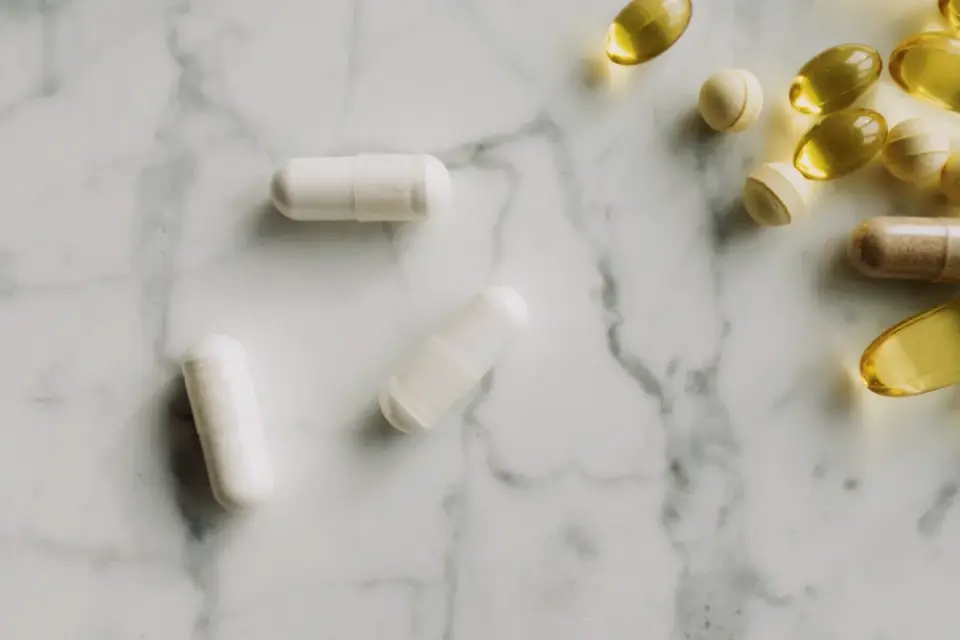
Omega-3 fatty acids, specifically EPA and DHA from marine sources, have the deepest research base of anything in this category. The American Kennel Club notes their anti-inflammatory role and their broader use for skin, joint, and cognitive support in older dogs — benefits that overlap with a calmer, better-regulated immune response. I weigh fish oil the way I weigh most nutrition tools: it’s rarely the whole answer, but it’s a defensible piece of the plan for a dog’s diet and recovery from everyday inflammatory load.
Beta-glucans, derived from yeast or fungal cell walls, show a more mechanistic story: studies compiled by the National Library of Medicine (PMC) describe beta-glucan priming immune cells toward a stronger, faster response, sometimes called trained immunity. That’s a real and interesting mechanism, but it’s still early-stage for routine senior-dog use, and I’d treat it as a candidate worth watching rather than a settled recommendation.
Quercetin and resveratrol show up constantly on longevity labels as antioxidants, and the underlying chemistry is legitimate — both compounds are studied for their effects on oxidative stress and cellular signaling. But a lot of that evidence is still preclinical. One Pharmaceuticals (MDPI) study testing quercetin formulations found the compounds didn’t meaningfully change feeding behavior in a lab model, a small but useful reminder that formulation and delivery matter as much as the ingredient itself. Similarly, a Phytomedicine study on embryonic resveratrol exposure found it altered development timing and shortened lifespan in that model at the dose tested — a signal that dose and life stage change the picture, and that more isn’t automatically better. I ground any integrative claim about these ingredients in exactly that kind of nutritional evidence, not in the marketing copy printed on the bag.
Owners weighing NAD+ precursor chews as part of a senior wellness stack should also look at how those products are dosed and delivered; our guide on NAD+ precursor chews for a dog whose energy dropped after turning 8 and our piece on whether it’s safe to crush a longevity chew and mix it into food both go into the delivery-format issues that affect how much of an ingredient actually reaches the dog.
What still needs your veterinarian
A senior dog with a genuinely compromised immune system — recurrent infections, poor wound healing, a cancer diagnosis — needs veterinary diagnosis first, not a different supplement. Some seniors are also managing cognitive or mobility changes alongside immune concerns, and it’s worth reading how other structure/function ingredients, like the ones covered in our MCT oil guide for senior dogs with cognitive decline, fit into that bigger picture rather than treating each issue in isolation.
Bottom line
Build the plan around a complete, high-quality diet first. Add marine omega-3s with real dosing guidance, consider a NASC-sealed antioxidant product if your veterinarian is on board, and be skeptical of anything promising to “boost” immunity beyond what the label can actually support. That’s the honest, evidence-first version of immune support for an older dog.
Frequently asked questions
Can a supplement cure a weak immune system in an older dog?
No. Supplements are not treatments for immune disease, and none is proven to cure or reverse immune decline. The ones with evidence behind them are studied for structure/function support alongside veterinary care, not as a stand-alone fix.
Is fish oil actually good for a senior dog's immune system?
Omega-3 fatty acids from fish oil are one of the better-studied options; they're associated with anti-inflammatory effects that may support overall immune balance, per the American Kennel Club. Dosing should still come from your veterinarian, since too much fish oil carries its own risks.
How do I know a senior immune supplement is actually safe?
Look for the National Animal Supplement Council seal, which means the manufacturer has passed a third-party facility audit and reports adverse events. It's not a guarantee of efficacy, but it's a real floor for quality control.
Should I ask my vet before starting an immune supplement?
Yes, especially for a senior dog who may already be on medication, have kidney or liver changes, or an underlying condition. A veterinarian can flag interactions and confirm the dose fits your dog's size and health status.
Sources
- Fish Oil for Dogs: What to Know — American Kennel Club
- NASC Quality Seal — National Animal Supplement Council
- β-Glucan-Induced Trained Immunity in Dogs — National Library of Medicine (PMC)
- Quercetin formulation effects on feeding behavior and lifespan — Pharmaceuticals (MDPI)
- Embryonic resveratrol exposure and lifespan effects — Phytomedicine