On this page
My call for most dogs is simple — rehearse the quiet hotel-room routine at home for two weeks, because novelty drives most barking and accidents.
Expect a normal dog to act less trained in a hotel hallway, elevator, and strange bedroom. New smells, close neighbors, and a changed schedule raise arousal and may disrupt sleep, appetite, and housetraining. Plan to support calm behavior and normal bowel function rather than demand perfect manners on night one.
Novelty is the trigger.
The call: train for the room, not just the lobby
Most owners prepare for travel and forget the 10 hours inside the room. I want the dog to do three things well in 200 square feet: settle on a mat, sleep quietly in a crate or on a bed, and signal to go out without barking at every door slam.
Start with a veterinary baseline. The American Veterinary Medical Association recommends checking vaccines, parasite prevention, identification, and travel documents before a trip, and that baseline may help support low-stress handling in a new place. Confirm rabies status, bring a copy of records, confirm medications and feeding amounts, and ask what to watch for if appetite or stool changes for more than 24 hours.
For interstate or airline-linked stays, check the U.S. Department of Agriculture guidance on health certificates and state entry rules well before you book. Requirements vary, and a last-minute certificate creates exactly the rushed energy dogs read so well.
Chad in Montgomery, Alabama lives with Sissy, a 3-year-old spayed female Chihuahua mix who whined and paced for the first hour in a new room. He set up her crate, bed, and water station in his guest bathroom for 14 nights, ran the same bedtime cue sequence, and tracked quiet settles. The observable change was faster lip-licking to lying on side within 10 minutes, which gave him a clear choice: book a ground-floor room near an exit so potty trips would not undo that settle.
The myth that gets dogs barking at 2 a.m.
A common question is whether a long walk or daycare day will make a dog sleep through hotel noise.
The myth is exhaustion equals quiet. The reality is an overtired, underprepared dog startles more. Heavy exercise without a settle skill may support stamina for the trail but does little to support relaxed breathing, normal sleep cycles, and quiet behavior when the ice machine clunks at midnight.
What does transfer is a practiced routine: same mat, same chew, same lights-out cue, same white-noise app. Keep feeding times, walk order, and bedtime within 30 minutes of home. Bring the unwashed bed blanket for familiar odor, not a freshly laundered hotel towel. For dogs that alert-bark, practice a low-stress response at home — mark and reward a head turn away from the door sound, then cue to mat.
Review disease and contact risks for the route, too. The Centers for Disease Control and Prevention notes documentation and health requirements for dogs in transit, which is a useful reminder to avoid nose-to-nose greetings, shared bowls, and lobby dog runs when vaccine history is unknown.
Build the hotel baseline in this order
Work in short imperative steps for 10 to 14 days. Keep sessions to 3 to 5 minutes.
1. Make confinement normal again
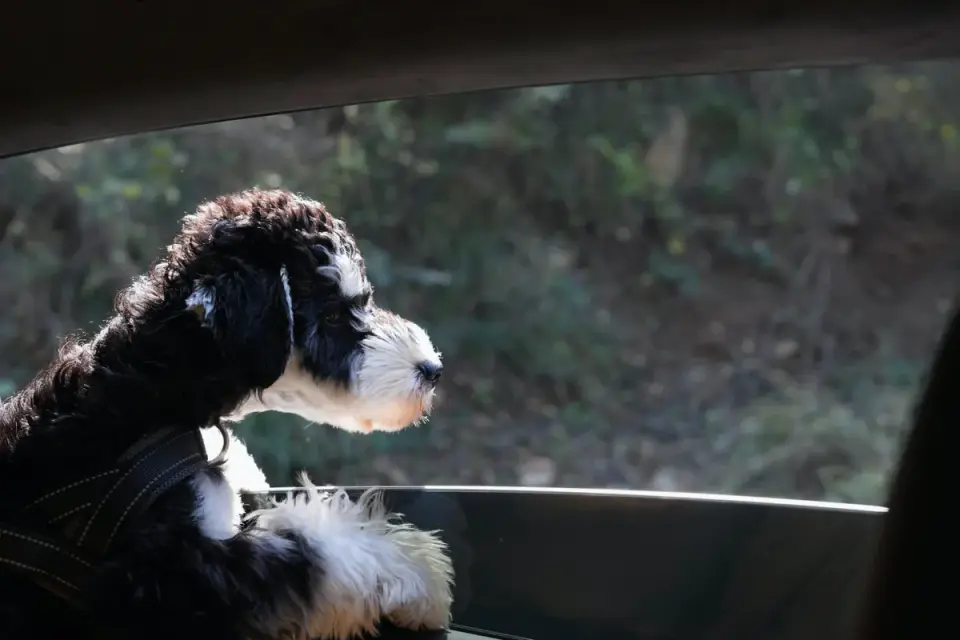
Feed meals in the travel crate with the door open, then closed for 5 minutes, then 30 minutes while you watch TV. Practice one covered-side crate nap daily. If you plan to use a car restraint for the drive, lock in your restraint choice for the drive early so the crate cue stays consistent from car to room.
2. Teach a portable settle
Put a washable mat down, reward four paws on, then lying down, then head down for 10 seconds. Add a long-lasting chew that only appears on the mat. Carry that mat to a friend’s kitchen, then a patio, then a pet-friendly store entrance. Settle should mean the same thing everywhere.
3. Rehearse sounds and separations
Play hallway noise, knocks, and elevator dings at low volume while rewarding calm on the mat. Practice stepping into the hall for 30 seconds and returning quietly, building to 5 minutes. Vets often see separation distress spike in hotels because owners never leave the room alone; brief, boring departures may help support calmer alone behavior.
4. Pack for gut and sleep stability
Pack the exact food for the trip plus two extra days, pre-portioned. A familiar feeding setup for travel may help support normal drinking and digestion when schedules shift. Bring water from home for the first 24 hours if your dog has a sensitive stomach, plus enzymatic cleaner, extra bags, a nightlight, and a familiar chew. Ask for a ground-floor or end-of-hall room away from elevators, confirm the potty area and late-night exit route, and confirm weight limits and unattended-dog rules in writing.
Puppies and newly adopted adolescents need a shorter loop and more frequent outings. If this is a first trip, read this first puppy travel primer and cut alone-time goals in half.
When staying in the room is the wrong call
My room-routine advice is the wrong call for dogs with panic-level separation anxiety, bite history with strangers, or uncontrolled barking that will not stop with redirection. Housekeeping entries and thin walls will flood that dog.
Do not try to train through it on travel week. Choose a different plan: a pet-sitter at home, a veterinary boarding facility with medical support, or a hotel with supervised daycare and a no-leaving-alone policy you can actually follow. For seniors with nighttime restlessness or incontinence, request a first-floor accessible room, bring waterproof covers, and schedule a pre-trip exam to review mobility, vision, and nighttime potty needs.
Brief recap: prepare the body with records and routine, prepare the brain with crate and mat reps, then protect sleep with room location and a boring bedtime script.
Sources
- Traveling With Your Pet — American Veterinary Medical Association
- Pet Travel — U.S. Department of Agriculture
- Bringing a Dog into the United States — Centers for Disease Control and Prevention