On this page
It happened in a gravel trailhead lot on a Saturday morning. A 62-pound, 4-year-old Lab mix rode loose in the back seat, saw a squirrel, and launched over the owner’s lap the second the door cracked. He hit the gravel shoulder hard on his front legs, yelped once, then sprinted 15 feet toward the woods before the owner grabbed the trailing leash. Back at the bumper he was panting, holding his left foreleg up for three steps, then walking almost normally. The owner wanted to know if that quick recovery meant they could just go hike.
That question is the whole decision. Most jumps look dramatic and end with an adrenaline-fueled dog who wants to keep moving, which masks pain for 20 to 30 minutes. My preventive rule is simple: assume excitement is hiding something until a calm, hands-on check proves otherwise.
No restraint can fix excitement after the door opens.
The limit no quick check can get around
Adrenaline and a safe parking lot make owners underestimate impact. A 50-pound dog dropping 24 inches from an SUV sill loads the shoulders, elbows, and carpi with several times body weight, plus shear across the paw pads on asphalt or gravel. You cannot rule out a soft-tissue sprain, toenail avulsion, pad slice, or head bump by watching him trot to a tree.
That is why I counsel baseline first, behavior second. The American Veterinary Medical Association reminds owners that loose dogs in and around vehicles face preventable injury risk, and prevention starts before the door opens. I keep that expectation front and center: a normal-looking first minute does not clear him.
Secure the scene before you examine anything. Close car doors, hazards on, leash clipped or slip lead on, dog moved away from traffic to a curb, grass, or back into the car if he is safest contained. If he bolted, do not chase. Crouch, use a happy voice, and open a rear door as a target.
Myth: if he shook it off and ran, he’s fine
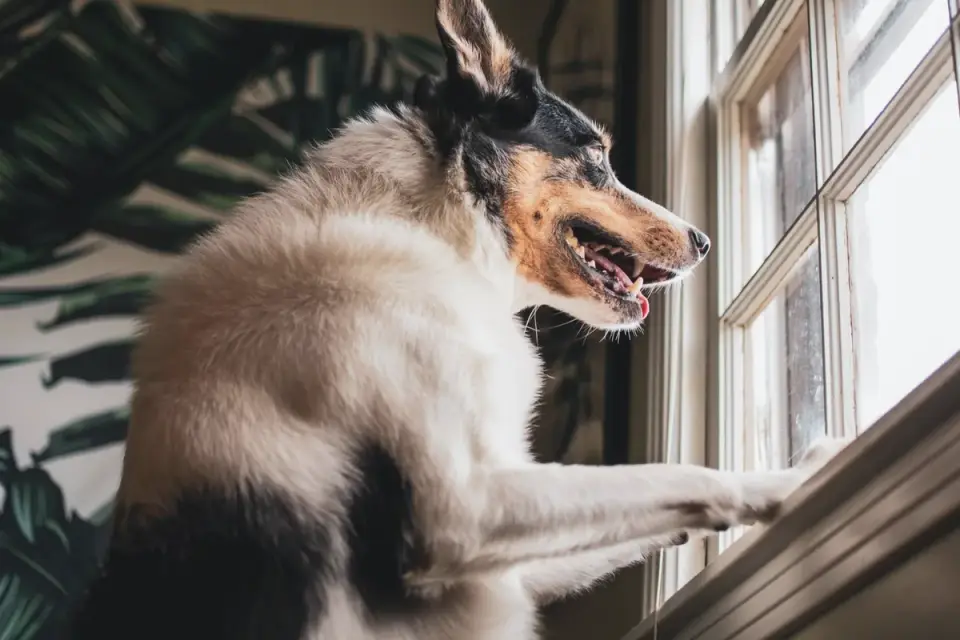
Reality: flight covers lameness. Dogs may support a sprained wrist for a few steps, then unload it when they slow down. Pad cuts often bleed little at first on dry pavement, then bloom once the dog stands still. Nail tears, elbow hygroma bumps, and mild concussions can all declare themselves an hour later.
We tried the opposite last fall with a bouncy adolescent shepherd mix who bailed out at a gas station. The owner let him walk it off around the pumps for about 10 minutes, figured the brief toe-touching lameness was embarrassment, and drove 2 hours home. Over the next 3 nights the dog licked his right front paw raw, went off breakfast on day two, and finally showed a split toenail folded sideways under the fur. That three-night delay turned a simple trim-and-bandage visit into a sedated nail removal with a week of restricted walks.
The tradeoff was time. A two-minute pad and nail check in the lot would have caught it.
What to do in the first 10 minutes
Park your own pulse first, then work nose to tail in the same order every time. This routine may help support low-stress handling and keeps you from missing a quiet bleeder while you stare at an obvious limp.
Start with mentation. Is he bright, responsive, and oriented, or dull, glassy-eyed, vomiting, or wobbly? Any hit to the head, windshield frame, or pavement with altered awareness, unequal pupils, bleeding from nose or ears, or collapse warrants same-day emergency care. When in doubt about neurologic signs, emergency triage guidance like Emergency Care for Dogs stresses protecting the airway, limiting movement, and getting transport fast rather than trying to treat at the roadside.
Then breathing and bleeding. Look at gum color, respiratory effort, and any active bleeding. Apply direct pressure with clean gauze or a shirt for a full five minutes without peeking. For paws, check each pad, between toes, and each nail base. For limbs, run a light hand down each leg and compare left to right for swelling, heat, or a yelp on flexion. The VCA Animal Hospitals notes that sudden non-weight-bearing lameness, visible deformity, or rapidly swelling joints should prompt prompt veterinary evaluation rather than home rest alone.
Document what you find. A 30-second phone video of him walking toward and away from you, plus photos of any scrape, helps your veterinarian triage by phone. Note which leg, toe-touching versus non-weight-bearing, and whether it improves or worsens after five minutes of rest.
Call your regular clinic or emergency line if you see non-weight-bearing lameness lasting more than 10 to 15 minutes, deep pad laceration, dangling nail, swelling, large road rash, head strike with behavior change, or pain that escalates. Realistic timeline: mild sprains often improve over 24 to 48 hours with rest, but should steadily trend better, not plateau or worsen.
When age, size, or traffic changes the plan
The standard calm-check still applies, but the threshold to drive in drops for some dogs. I think about this 9-year-old, 18-pound senior terrier who rode on a booster and hopped a 40-foot gap across a busy rest-stop lane before the owner could unbuckle. She landed clean and trotted right back, no yelp, no blood. In a young dog I might have watched closely from the grass. In her case the owner did something different: leashed her to a post, checked gums and legs twice 10 minutes apart, then skipped the park and drove straight for an exam because seniors hide osteoarthritis flares and small dogs lose heat and blood volume faster.
That bend was right. Puppies, seniors, brachycephalic breeds, and any dog with prior cruciate disease or elbow dysplasia deserve a lower bar for evaluation. So does any jump into traffic, off a high truck bed, or onto concrete. If you travel often with a young dog, review our guide to How to Travel With a Puppy for the First Time before the next trip.
For aftercare at home, plan 24 hours of true rest: short leash potty breaks only, no stairs, no fetch, no long walk to test it. Recheck paws and nails that evening when swelling declares itself. Keep the wound clean and covered if advised, and prevent licking with an e-collar rather than wraps you fashion yourself.
Stop rehearsing the jump
Dogs repeat what works. A successful self-launch is powerfully self-rewarding, so management has to change before training can stick.
I want every client to leave with this sequence: restraint before ignition, door manners before freedom, and a landing plan for the dog who cannot jump safely. A crash-tested harness, secured crate, or vehicle barrier breaks the habit loop, and our comparison of Dog Car Seat Belt vs Crate vs Barrier: Which Restraint Is Safest? walks through which option fits which car.
Teach it in the driveway, not the trailhead. Clip the leash before you unlatch, ask for a wait, open the door two inches, close it if hips lift, and reward four on the floor. Add a ramp or lift for seniors, puppies, and post-surgical dogs. Keep a slip lead and gauze in the door pocket so you never improvise with your fingers in the collar beside traffic.
Frequently asked questions
My dog jumped out and seems fine now — can we continue our trip?
If mentation is normal, there is no bleeding, and he bears weight evenly after 10 minutes of rest, many owners monitor closely. Take video, recheck paws and gait that evening, enforce 24 hours of rest, and call your vet if lameness returns, swelling appears, or appetite drops.
How do I tell a sprain from a break at the roadside?
You cannot definitively. Non-weight-bearing lameness, deformity, grinding, rapidly swelling joints, or severe pain suggest fracture or dislocation and need same-day X-rays. Mild toe-touching lameness that steadily improves may reflect soft-tissue strain, but still needs recheck if not clearly better in 24 to 48 hours.
What should I keep in the car for the next jump?
A fitted leash plus slip lead, clean gauze, nonstick pads, pet-safe saline, a phone charger for vet-call video, and an e-collar or recovery sleeve to prevent licking until you get home.
Sources
- Traveling with Your Dog — American Veterinary Medical Association
- First Aid for Limping Dogs — VCA Animal Hospitals