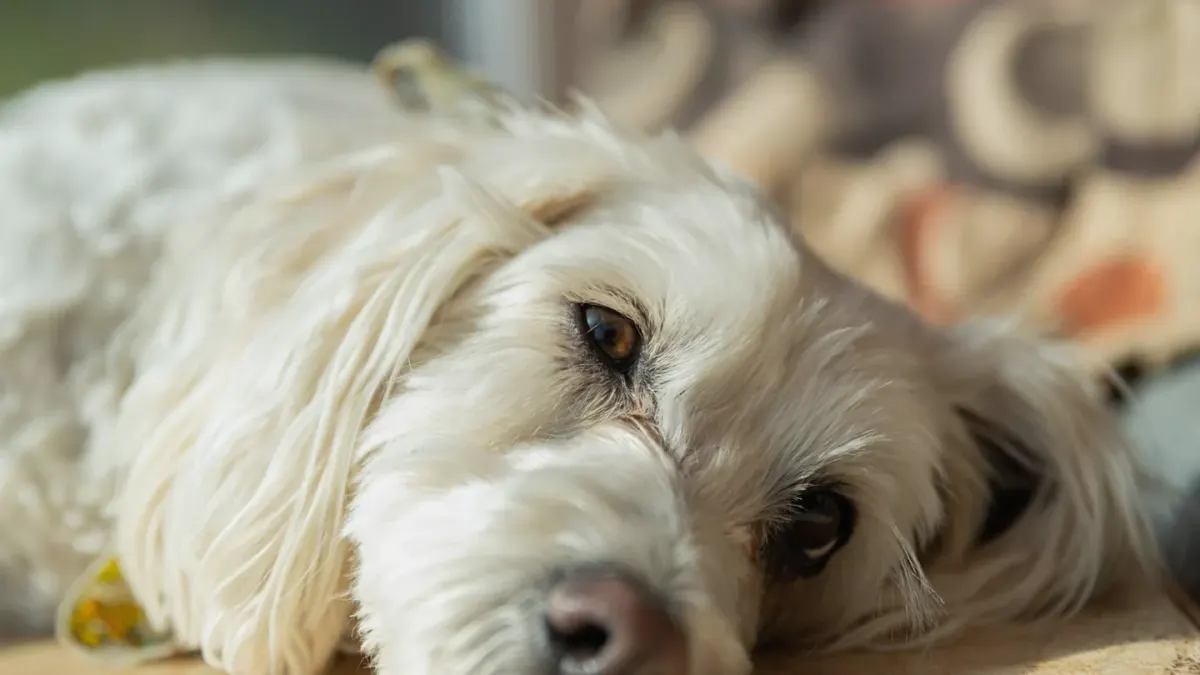
My call is direct: treat constant car panting as arousal until you prove otherwise, then fix heat, motion, and fear in that order. Panting is how dogs dump heat and discharge adrenaline, so a panting dog in a moving car is telling you the baseline is too high for calm behavior.
Dogs do not sweat efficiently through skin. They rely on evaporative cooling across the tongue, mouth, and upper airway, with respiratory rate rising to move more air. That is why excitement, confinement, warm air, nausea, and pain all look similar from the driver seat: open mouth, fast shallow breaths, drool, restlessness. The mechanism matters because cooling alone will not settle a nauseated or frightened dog.
A four-year-old, 55-pound mixed-breed dog came up in discussion as a classic example: fine on walks, but panting hard within five minutes of every school pickup loop. The owner had assumed stubbornness and tried firmer cues. On an 18-minute test drive with the back windows cracked, cabin at 68°F, and a secured harness in the back seat, the dog panted continuously, drooled on the seat cover, yawned three times, and lay down only in the final two minutes in the driveway. That pattern — immediate onset, no settling, quick recovery at home — pointed away from heat alone and toward motion-related stress.
That distinction shapes realistic timelines. A true heat response should ease within minutes of cooler air and airflow. Stress panting often persists for the whole ride and may include whining, lip licking, yawning, shaking, or scanning. Motion sickness adds drooling, swallowing, lip smacking, vomiting, or a sudden quiet stillness before vomiting. Pain or age-related stiffness adds reluctance to load up, shifting, whining over bumps, and heavy panting after the ride rather than during it.
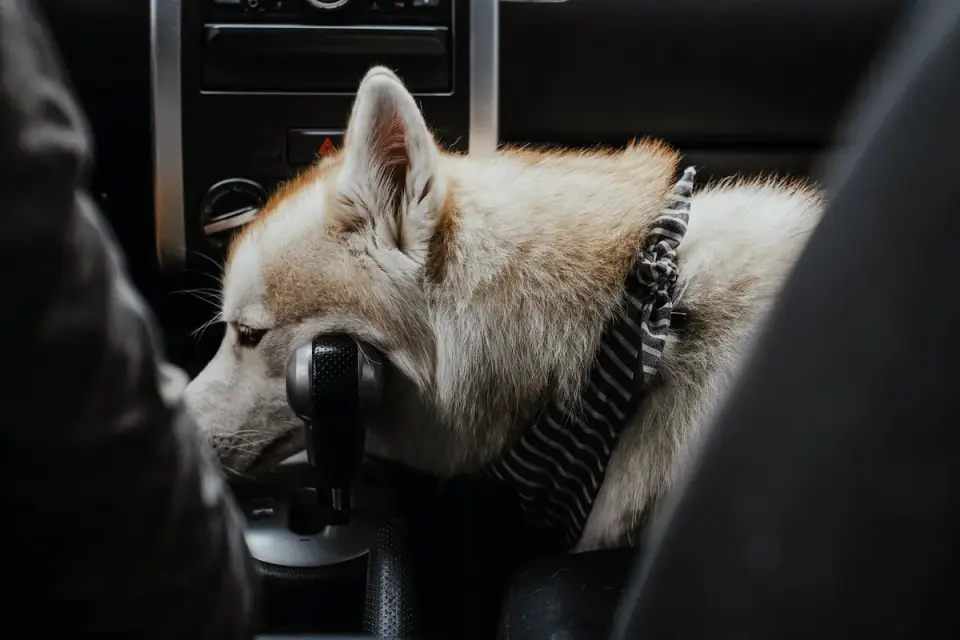
The limit no gadget fixes: panting is an output, not a diagnosis
Restraint, calming music, and cracked windows may help support comfort, but none of them diagnose the driver. I counsel owners to expect a sequence, not a single product. Start by making heat unlikely, then reduce motion input, then retrain the emotional response. If panting continues through all three, that dog needs an in-person exam rather than a stronger supplement.
VCA Hospitals notes that motion sickness is especially common in young dogs and often involves drooling, nausea, and vomiting during travel, with many puppies improving as the vestibular system matures. That fits what I see: adolescent dogs that drool and pant on curves but sit calmly when parked are more likely nauseated than disobedient.
Heat still deserves first place because it injures fastest. Cornell University College of Veterinary Medicine warns that cars heat rapidly and dogs are vulnerable to heatstroke even on seemingly mild days, with panting, thick drool, and distress as early signs. I keep the cabin cool before loading, aim vents at nose level, use sunshades on the dog side, and never leave a panting dog to “wait it out” in a parked car.
Myth: he will get used to it if we just drive more
Repetition without a plan often sensitizes rather than habituates. A frightened dog flooded with long highway trips learns that the car predicts panic.
A failed approach I review with owners involved a seven-year-old, 28-pound spaniel-type dog that panted on every vet trip. The owner tried longer weekend drives to “toughen him up,” plus a new front-seat bed so the dog could see out. Panting worsened by week three, the dog began drooling before the door closed, and one 40-mile outing ended with vomiting at mile 22. More miles had paired more nausea with more fear. We paused road trips, switched to five-minute parked-car sessions with treats and no engine, then short around-the-block loops with a back-seat harness. Progress was slower but steadier because the dog was no longer practicing panic.
For restraint, a stable riding position reduces both injury risk and motion input. I prefer a crash-tested harness or secured crate over a loose dog shifting across the seat, and I explain the tradeoffs in Dog Car Seat Belt vs Crate vs Barrier: Which Restraint Is Safest?. Puppies need shorter sessions still, as outlined in How to Travel With a Puppy for the First Time.
A practical sequence that holds up in real cars
Keep it preventive and measurable. Change one variable for three to five short trips before judging.
First, set the thermal baseline. Pre-cool the car, keep ambient air moving, offer water before and after rather than a sloshing bowl during motion, and watch for thick saliva, brick-red gums, stumbling, or panting that does not slow when the car cools. Those are stop-and-cool signs, not training problems.
Second, reduce vestibular load. Face the dog forward in a stable spot, limit visual flicker from side windows, avoid feeding a large meal one to two hours before travel, drive smooth routes with fewer stops and turns, and take brief sniff breaks. The American Veterinary Medical Association emphasizes secure restraint, ventilation, and planning stops during pet travel, which also lowers the arousal that amplifies nausea.
Third, retrain the association in small slices. Parked car equals treats. Engine on equals treats. Down the driveway and home. Then one errand. End while the dog is still under threshold. Most young stress-panters need two to four weeks of brief sessions before longer rides stay quiet.
Medication has a defined lane. For predictable motion sickness or severe travel anxiety, prescription options prescribed after an exam may help support calm travel when training and management alone fall short. What would change my position is controlled canine data showing an over-the-counter chew reliably prevents car panting across causes; current evidence does not support that claim, so I do not lead with supplements. The Merck Veterinary Manual similarly frames motion sickness as a vestibular and nausea problem best addressed through management and veterinary guidance, not a single calming product.
The bend in the usual advice comes with seniors and brachycephalic dogs. A 13-year-old terrier mix I discussed with an owner could handle only evening rides after three consecutive summer trips ended with prolonged panting at home. Instead of pushing desensitization, the owner shifted to dawn outings under 15 minutes, used a low-entry crate with non-slip matting to reduce joint shifting, parked in shade with the engine and air conditioning running during a brief pickup, and logged recovery time after each ride. When recovery stretched past 30 minutes twice in one week, the plan changed from training to a veterinary check for pain, cardiac disease, and heat intolerance. Age rewrites the goal from endurance to comfort.
Seek prompt veterinary care for panting paired with pale or blue gums, collapse, vomiting with lethargy, coughing, exercise intolerance outside the car, or panting at rest at home. Those patterns point beyond travel stress.
Looking forward, keep a simple log for two weeks: trip length, temperature, seat setup, onset of panting, drool or vomit, and minutes to settle afterward. The trend will tell you whether you are managing heat, motion, fear, or something medical — and it gives your veterinarian a usable baseline instead of a vague worry.
Frequently asked questions
Why does my dog pant in the car even with the AC on?
Cool air rules out heat but not motion sickness or fear. If panting starts within minutes, continues the whole ride, and includes drooling, yawning, whining, or restlessness, suspect nausea or stress and shorten trips while you retrain the association.
Is car panting a sign of motion sickness?
It can be, especially with drooling, lip smacking, swallowing, stillness, or vomiting. Young dogs are overrepresented. Try an emptier stomach, forward-facing stable restraint, smoother routes, and brief trips, then ask your veterinarian if prescription support fits.
How do I calm a panting dog in the car?
Pre-cool the cabin, secure the dog in the back seat, reduce visual motion, keep early trips under 10 minutes, reward calm settling, and take sniff breaks. If panting persists through cool, stable, short rides, schedule an exam for pain, airway, or cardiac causes.
Sources
- Motion Sickness in Dogs — VCA Hospitals
- Traveling With Your Pet — American Veterinary Medical Association