On this page
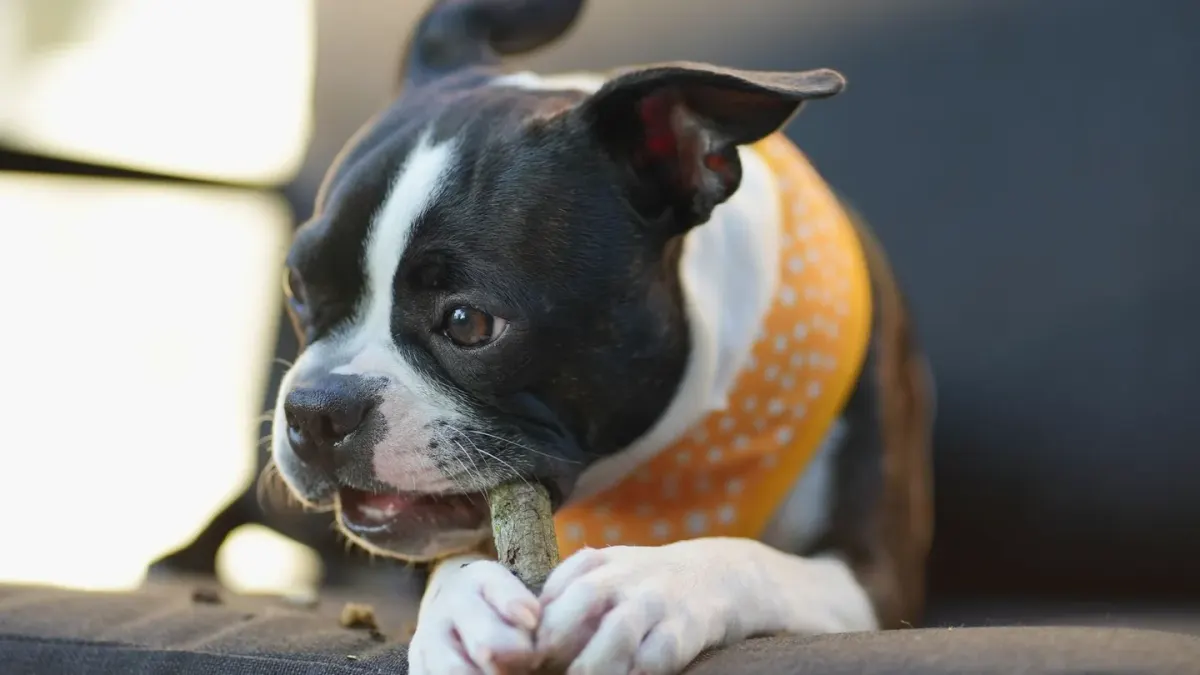
Quality of life is the lens I use for every supportive supplement decision, and it applies just as much to a healthy 9-year-old Labrador as it does to a dog in cancer treatment. These longevity chews are supportive supplements, not cancer treatment, and nothing below changes that a dog who seems truly unwell needs a veterinary exam, not more waiting. So when an owner texts me a photo of a half-digested chew and asks whether they should be worried, my first job is to sort mild from urgent, quickly and without drama.
Most of the time, this is mild.
What’s actually in a longevity chew that could upset a stomach
Longevity and healthy-aging chews for dogs typically combine a NAD+ precursor, usually nicotinamide riboside, with antioxidant compounds such as quercetin and resveratrol, plus binders, flavoring, and a fat carrier that makes the chew palatable. None of those core ingredients are designed to be harsh on the gut. The evidence behind them is worth being precise about, though, because precision is part of what makes a supportive-care recommendation defensible. Quercetin has been studied for antioxidant and immune-related cellular support, and in one in-vitro feeding study, quercetin formulations and unformulated quercetin, along with NAC and ascorbic acid, did not affect feeding behavior at the concentrations tested, per research published in Pharmaceuticals. Resveratrol’s evidence base is similarly early-stage; one Phytomedicine study found that embryonic exposure to a resveratrol formulation accelerated development while shortening adult lifespan in the model organism tested, a reminder that dose and life stage change outcomes even for a molecule generally regarded as supportive. What actually causes most chew-related vomiting is rarely one of these headline ingredients. It’s usually a fatty binder on an empty stomach, a dog who ate the chew too fast, or a dose that was too large relative to body weight.
If you want to understand how NAD+ precursor chews work before your dog started one, our guide on NAD+ precursor chews for a dog whose energy dropped after turning 8 covers the mechanism in more depth.

When one bout of vomiting is nothing to worry about
A single vomiting episode, especially one that happens within an hour of the chew and is followed by a dog who wants water, acts alert, and shows no straining or repeat episodes, fits the profile of simple gastric irritation. Withhold food for a few hours, keep water available, and watch. This is not a case where I’d reach for anti-nausea medication on my own; it’s a case for patience and observation. If your dog was given a whole chew crushed or mixed into food at a higher-than-labeled amount, that’s also worth reviewing; our piece on whether you can crush a longevity chew and sprinkle it on senior dog food walks through why format and dosing accuracy matter more than owners often assume.
The red flags that mean call your vet now
Some signs move this out of the wait-and-watch category. Vomiting that repeats more than two or three times, vomiting paired with diarrhea, lethargy, loss of coordination, pale gums, or a refusal to drink water all warrant a same-day call. Blood in the vomit, a distended abdomen, or vomiting in a dog with a known heart, kidney, or GI condition is not something to sit on. I’d rather a client call me and be told it’s fine than wait a day on a dog who needed fluids twelve hours earlier.
Xylitol changes the calculus entirely
Before anything else, check the ingredient label for xylitol. Some flavored chews and treat bases use it as a sweetener, and in dogs it triggers a sudden insulin release that drops blood sugar, unlike in humans. According to the ASPCA, initial signs include vomiting, lethargy, and loss of coordination, and toxicity can begin within 20 minutes and progress to liver injury. The Cornell University College of Veterinary Medicine describes a similar mechanism and timeline. If xylitol is anywhere on that label, this stops being a watch-and-wait situation and becomes a call to your veterinarian or an animal poison control line right away, even if your dog seems fine in the first ten minutes.
What to actually do in the next hour
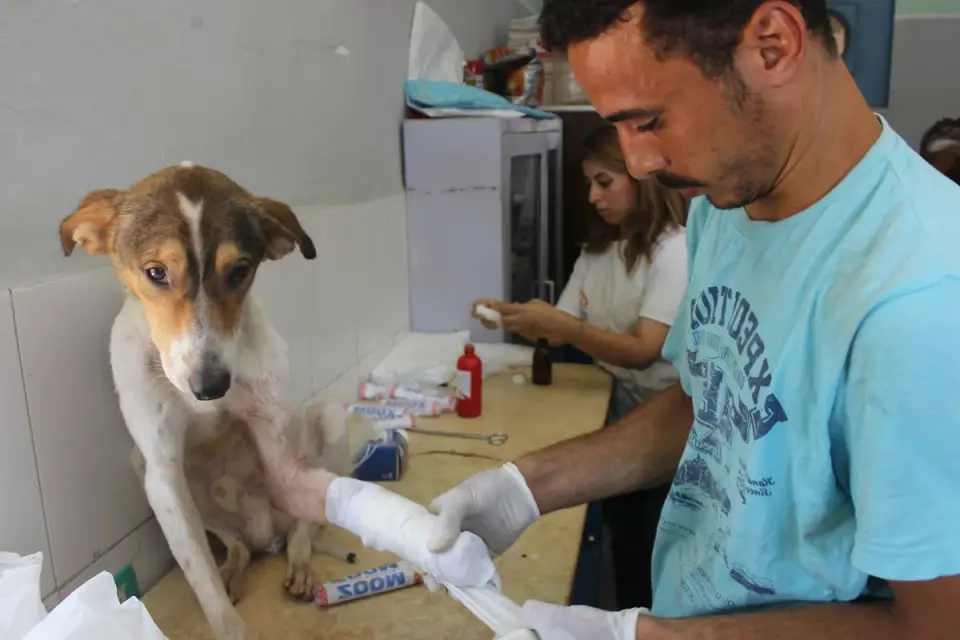
First, stop giving the chew. Second, check the label for xylitol and note the exact ingredient list and lot number if one is printed on the packaging; that detail matters if you do need to call a vet or report an adverse event. Third, offer water in small amounts rather than a full bowl, and hold off on food for two to four hours unless your dog is a small breed or diabetic patient prone to low blood sugar, in which case check with your vet sooner rather than later. Fourth, watch. A dog who is playful, drinking, and interested in dinner that evening is behaving like a dog who had a minor reaction, not a toxic one.
Reputable supplement manufacturers are also required to track this kind of feedback. Members of the National Animal Supplement Council must report adverse events involving their products on a monthly basis to a shared database that’s accessible to the FDA, which is one reason it’s worth telling the manufacturer, not just moving on quietly, if your dog reacts to a specific chew.
Should you give the chew again tomorrow?
Only if the first 24 hours were fully normal, and only starting with a smaller piece, given with a meal rather than on an empty stomach. If vomiting happens again on that second attempt, stop the product for good rather than pushing through it. A supportive supplement should never require your dog to tolerate repeat GI upset to get its benefit. If you’re weighing this chew against other senior-support options, our guide on whether MCT oil is safe for senior dogs with cognitive decline covers a comparable dosing and tolerance question for a different supportive ingredient.
So, was this vomiting the chew, the dose, the empty stomach, or something else entirely unrelated that simply happened to line up in time?
Frequently asked questions
My dog vomited once and then acted totally normal. Do I still need to call the vet?
Not necessarily. A single vomiting episode followed by normal energy, appetite, and thirst is most often a mild gastric reaction rather than a medical emergency. Skip food for a few hours, offer water, and watch the next 12 to 24 hours before deciding whether the chew is worth trying again.
How long after eating a chew would vomiting show up if it's a real problem?
Simple stomach irritation usually shows up within an hour or two. Xylitol-driven hypoglycemia can start within 20 to 30 minutes, according to the American Society for the Prevention of Cruelty to Animals, which is why that specific ingredient changes the timeline for concern.
Should I try giving the same chew again the next day?
Only after a normal 24 hours and only at a smaller piece, ideally with food. If vomiting recurs on the second try, stop the product for good and ask your veterinarian whether a different formulation or format makes more sense for your dog.
Is vomiting a sign that the NAD+ precursor or antioxidant ingredients themselves are dangerous?
Not typically. Ingredients like nicotinamide riboside, quercetin, and resveratrol are usually tolerated at labeled doses; most reported reactions trace back to dose, an empty stomach, or an added flavoring agent rather than the core longevity ingredient itself.
Sources
- Updated Safety Warning on Xylitol: How to Protect Your Pets — ASPCA
- Xylitol Toxicities — Cornell University College of Veterinary Medicine
- FAQs — National Animal Supplement Council
- Quercetin feeding behavior study — Pharmaceuticals
- Embryonic resveratrol exposure study — Phytomedicine